


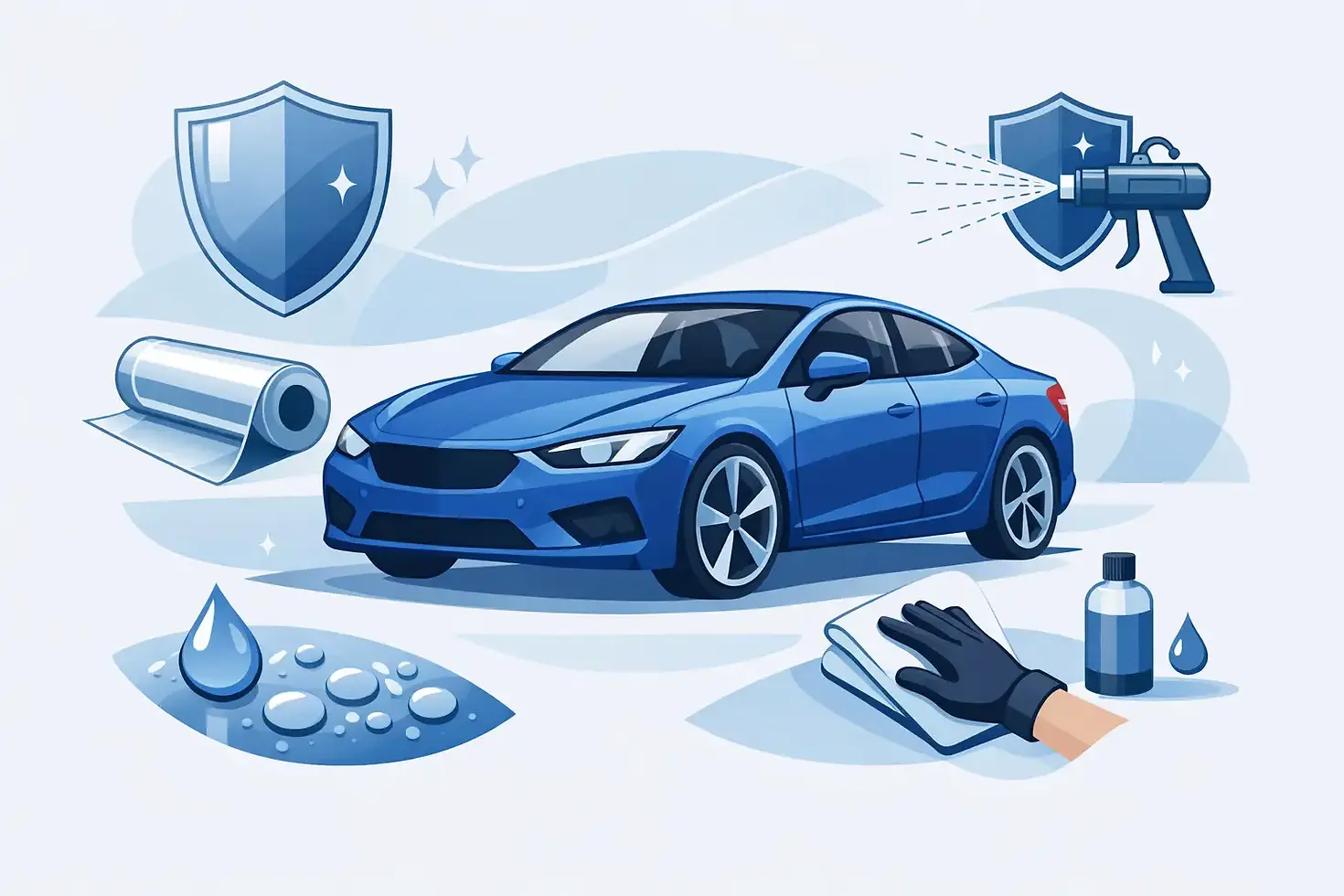
Best Paint Protection Options for Your Vehicle
- jcsautosalon
- 24 hours ago
- 6 min read
A fresh finish can lose its edge fast on Texas roads. Sun exposure, gravel, bug residue, hard-water spots, careless parking lots, and routine washing all take a toll on clear coat. The best paint protection options are not one-size-fits-all - the right choice depends on where you drive, how long you plan to keep the vehicle, and what type of damage concerns you most.
For most owners, the conversation comes down to paint protection film, ceramic coating, or a combination of both. Wax and sealants still have a place for short-term upkeep, but they do not deliver the same durability or impact protection. Understanding the difference helps you invest in protection that actually matches your vehicle and expectations.
Best Paint Protection Options Compared
Paint protection products serve different jobs. A coating improves gloss and makes contamination easier to remove. Film creates a physical barrier against rock chips and road debris. A professional detail or paint correction restores the finish before either product is installed.
The key is to avoid expecting one service to do everything. Ceramic coating is not a shield against a rock thrown from a highway tire. Paint protection film will not eliminate the need to wash your vehicle. Each option is valuable when installed correctly and used for its intended purpose.
Paint Protection Film: The Strongest Defense Against Chips
Paint protection film, often called PPF or clear bra, is the top choice when physical damage is the main concern. This transparent urethane film is applied over painted panels to absorb the impact of road debris before it reaches the clear coat. It is especially effective on high-impact areas such as the front bumper, hood, fenders, mirror caps, rocker panels, door edges, and behind the wheels.
For San Antonio drivers, PPF makes particular sense on vehicles that spend time on highways, rural roads, construction-heavy routes, or gravel driveways. A single rock chip can stand out sharply on dark paint, metallic finishes, and newer vehicles with flawless factory paint. Film helps preserve that original condition where it matters most.
Quality modern PPF also offers self-healing properties. Light wash marring and minor surface scratches can often fade with heat from the sun or warm water. It also resists staining from insects, bird droppings, and road grime better than unprotected paint.
The trade-off is cost. Full-vehicle PPF is a significant investment, particularly when the installer takes the time to wrap edges, align patterns precisely, and prepare the paint properly. For many owners, a partial front package or full-front coverage delivers the best balance of protection and budget. Coverage can be tailored to how and where the vehicle is driven.
Ceramic Coating: Gloss, Chemical Resistance, and Easier Care
Ceramic coating is a liquid-applied protective layer that chemically bonds with the vehicle's clear coat. Once cured, it adds a deep gloss, strong water behavior, and improved resistance to UV exposure, environmental fallout, bug residue, and wash-induced wear.
The most noticeable benefit is maintenance. Water beads and sheets away more readily, dirt has less grip on the surface, and routine washes become faster and safer. On a properly prepared vehicle, ceramic coating can make paint look richer and cleaner between appointments.
A coating is an excellent fit for daily drivers, garage-kept vehicles, and owners who want long-term shine without constantly applying wax. It is also a smart choice for painted wheels, calipers, trim, and other surfaces that collect brake dust or grime.
Still, ceramic coating should not be sold as scratch-proof. It can help reduce light marring and add sacrificial protection against chemicals, but it will not stop deep scratches, parking lot damage, or rock impacts. Proper washing techniques remain essential. Using clean microfiber towels, safe wash media, and quality products will protect the coating and the paint beneath it.
Paint Correction: The Step That Determines the Finish
Paint correction is not a protective product, but it is often the most important part of a premium protection package. It involves machine polishing the paint to reduce or remove swirls, haze, oxidation, light scratches, and other visible defects.
Applying ceramic coating over neglected paint locks in the appearance of that paint. The coating may add gloss, but it cannot hide heavy swirl marks or scratches. Likewise, installing film over a damaged panel can leave defects visible underneath, depending on their severity.
A careful inspection should happen before any coating or film installation. Some vehicles need only a light enhancement polish, while others require more involved correction to bring back depth and clarity. This preparation work is where experienced installers separate a finish that looks merely shiny from one that looks properly refined.
Wax and Paint Sealants: Useful, but Short-Term
Traditional wax and synthetic paint sealants remain affordable ways to improve gloss and add short-term water resistance. They can be a practical option for owners who enjoy frequent detailing, are preparing a vehicle for sale, or need a temporary layer between professional services.
Their limitation is durability. Wax can wear away within weeks or months, depending on weather, washing habits, and storage. Sealants generally last longer, but they still require regular reapplication and do not offer the chemical resistance or longevity of a professionally installed ceramic coating.
Think of wax as maintenance, not permanent protection. It can complement a protected vehicle, but it is not a substitute for PPF or ceramic coating when long-term preservation is the goal.
How to Choose the Right Protection Package
Start with the damage you are trying to prevent. If highway driving and rock chips are your biggest concern, PPF should lead the conversation. If you want a high-gloss finish with easier washing and better resistance to sun and contaminants, ceramic coating may be the better fit. If you want the highest level of coverage, use PPF on vulnerable panels and apply ceramic coating over the protected surfaces and remaining paint.
Your ownership timeline also matters. Someone leasing a vehicle for two or three years may choose a targeted front-end film package and a coating for low-maintenance care. An owner keeping a new truck, performance car, or luxury SUV for the next decade may see more value in comprehensive protection from the beginning.
Paint color and vehicle design can influence the decision as well. Black paint, dark metallic finishes, and vehicles with wide front ends tend to show chips and swirls more clearly. Low sports cars and trucks with exposed rocker panels often take more road damage than owners expect. A professional inspection can identify the areas most likely to need film rather than relying on a generic package.
Why Installation Quality Matters
The product is only part of the result. Paint protection film needs clean panel edges, accurate pattern placement, careful stretching, and proper curing to look nearly invisible. Ceramic coating requires thorough decontamination, polishing, panel preparation, and controlled application. Skipping those steps can lead to trapped contamination, uneven coverage, visible edges, or a finish that does not perform as expected.
A quality shop will inspect the vehicle, discuss realistic outcomes, and recommend protection based on use rather than pushing the most expensive package. They should also explain aftercare clearly. PPF and coatings reduce maintenance effort, but neither makes a vehicle maintenance-free.
At JC Auto Salon, that preparation-first approach is central to protecting a vehicle's appearance. Correcting the paint before applying film or coating gives the protection a clean, refined surface to preserve.
Maintaining Protected Paint
Protected paint still benefits from consistent care. Wash contaminants off before they bake into the surface, especially bug splatter and bird droppings. Avoid automatic brush washes, which can create swirls even on coated vehicles and can catch vulnerable film edges. Use pH-balanced wash products and clean microfiber towels, then dry gently to prevent mineral deposits from hard water.
For coated vehicles, periodic maintenance washes and professional inspections help sustain water behavior and gloss. For PPF, inspect high-impact areas after long road trips and address any damage before it spreads or exposes paint. Protection works best as an ongoing plan, not a one-time appointment.
The right choice is the one that protects the way you actually drive. A tailored combination of paint correction, PPF, and ceramic coating can keep a daily driver easier to maintain or help a high-value vehicle retain the finish that made you proud to bring it home.


Comments