What Is Paint Correction and Is It Worth It?
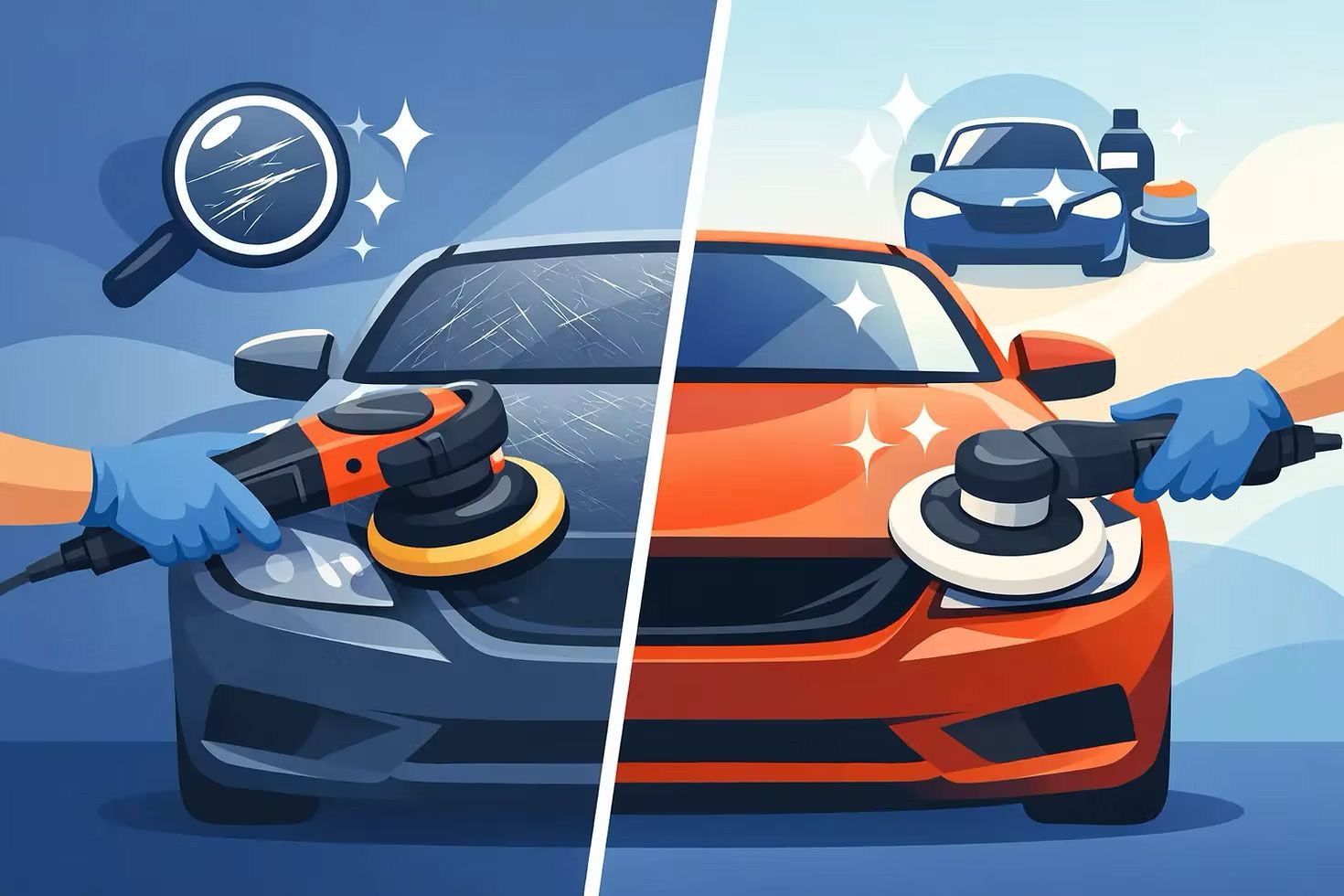
You wash your vehicle, step back, and the paint still looks dull under direct sun. The color is there, but so are the swirl marks, light scratches, haze, and water spot etching that keep the finish from looking clean and sharp. If you have ever asked what is paint correction, the short answer is this: it is the process of polishing a vehicle’s paint to remove surface defects and restore clarity, depth, and gloss.
That answer is simple. The work itself is not. Paint correction is one of the most skill-dependent services in automotive appearance care because the goal is not to hide damage. The goal is to carefully level away or reduce imperfections in the clear coat so the paint reflects light properly again.
What Is Paint Correction?
Paint correction is a machine-polishing process that removes imperfections from a vehicle’s painted surfaces. Most modern vehicles have a base color coat protected by a clear coat. Over time, that clear coat picks up fine scratches, swirl marks from improper washing, oxidation, staining, and other defects that make the finish look older than it is.
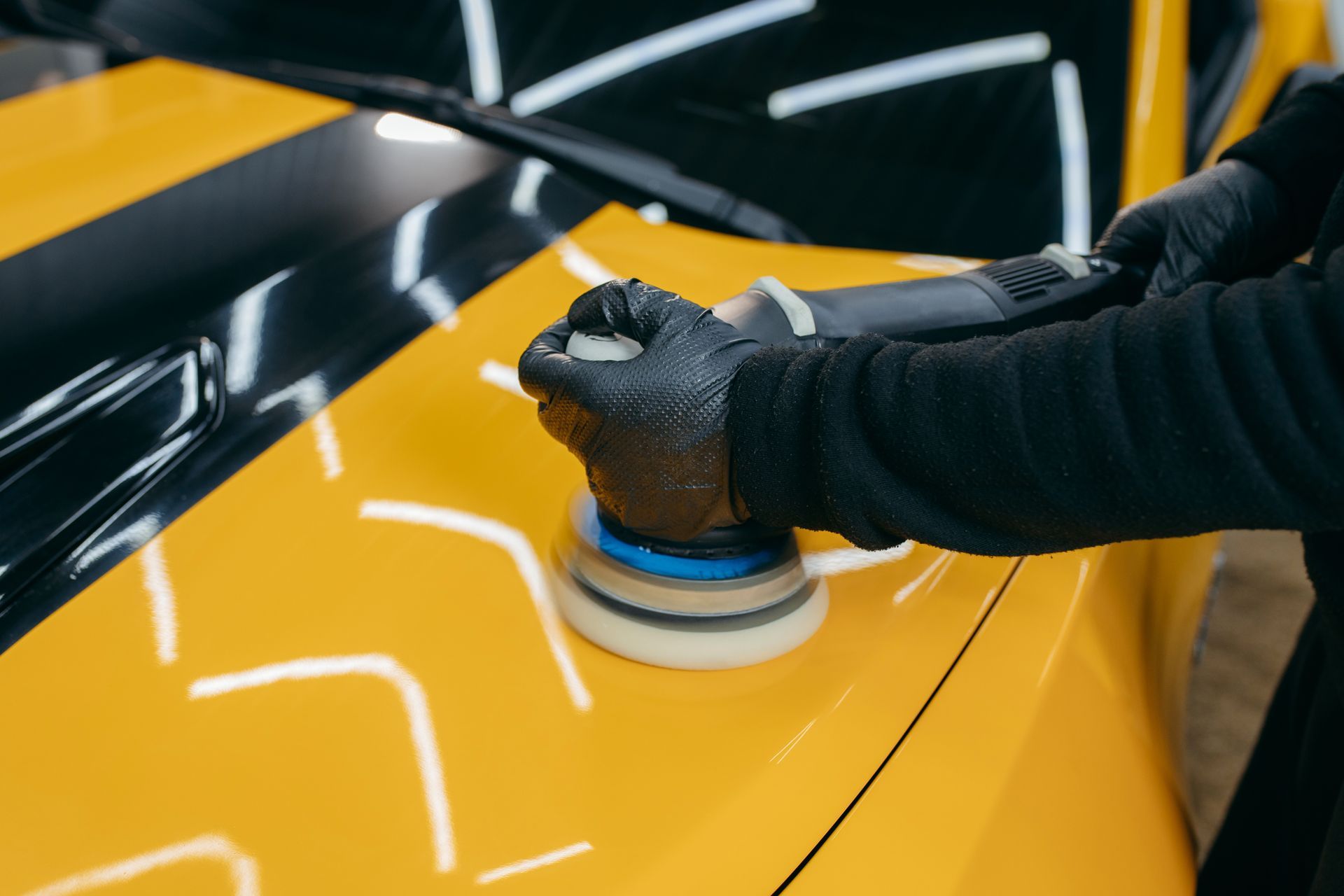
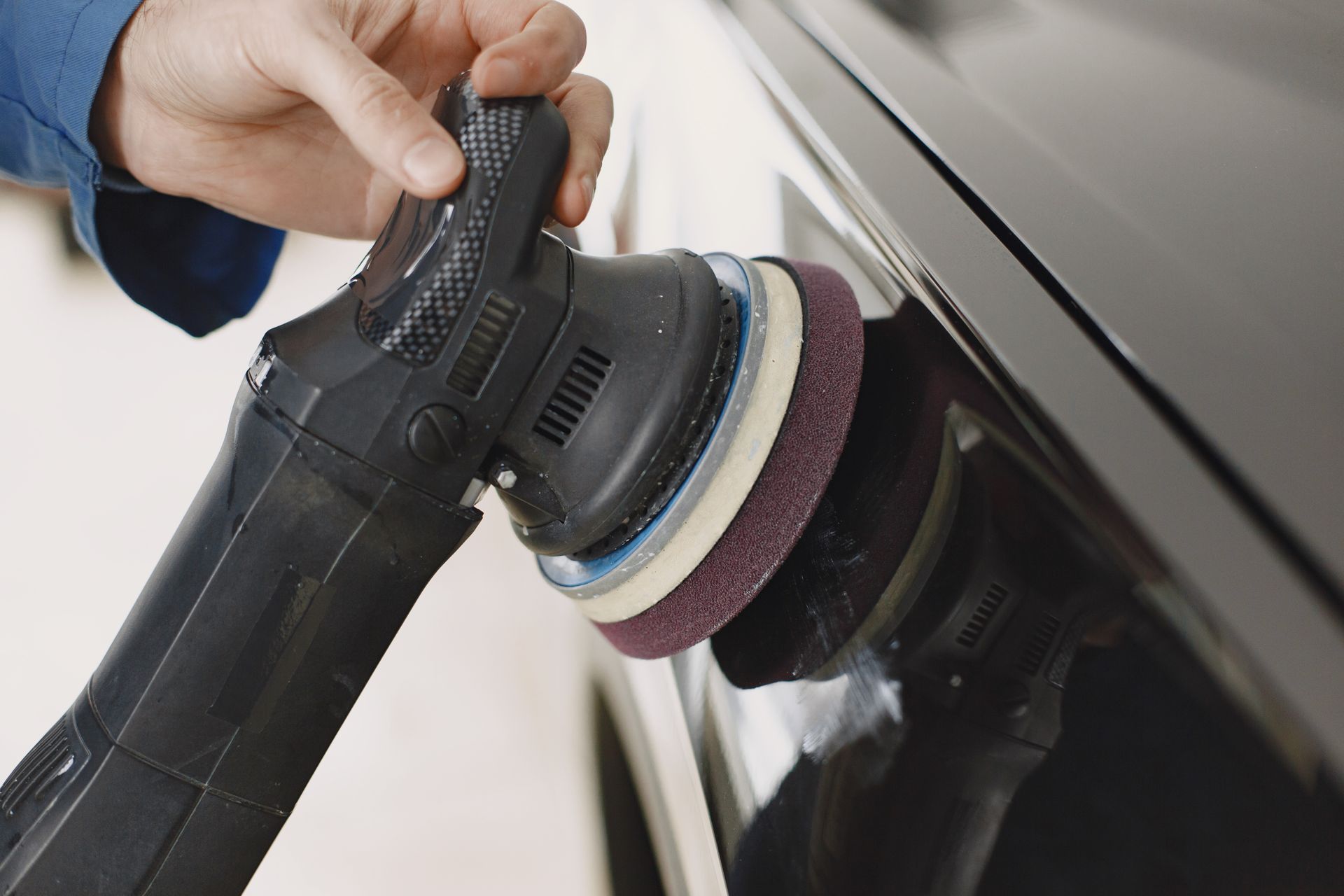
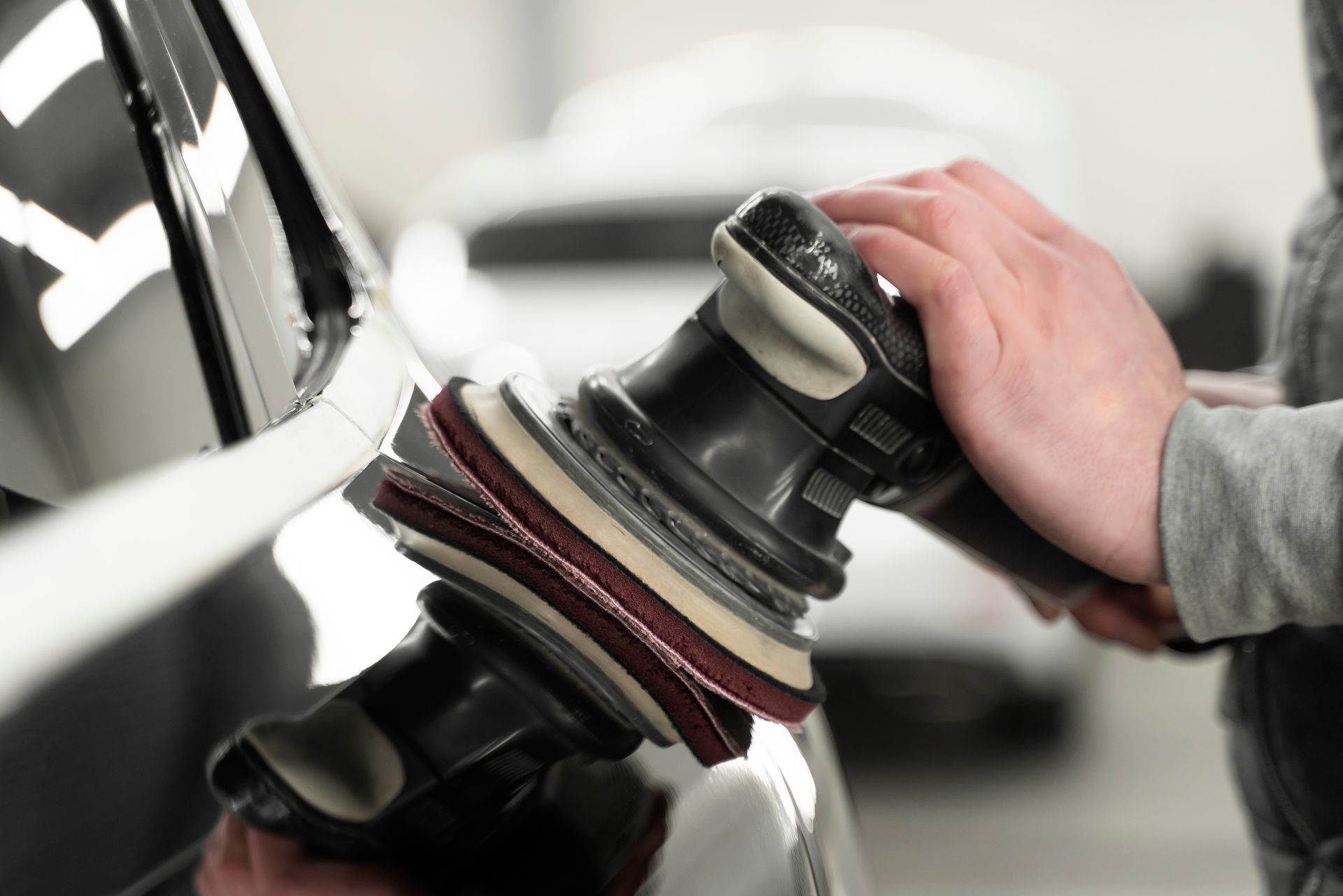
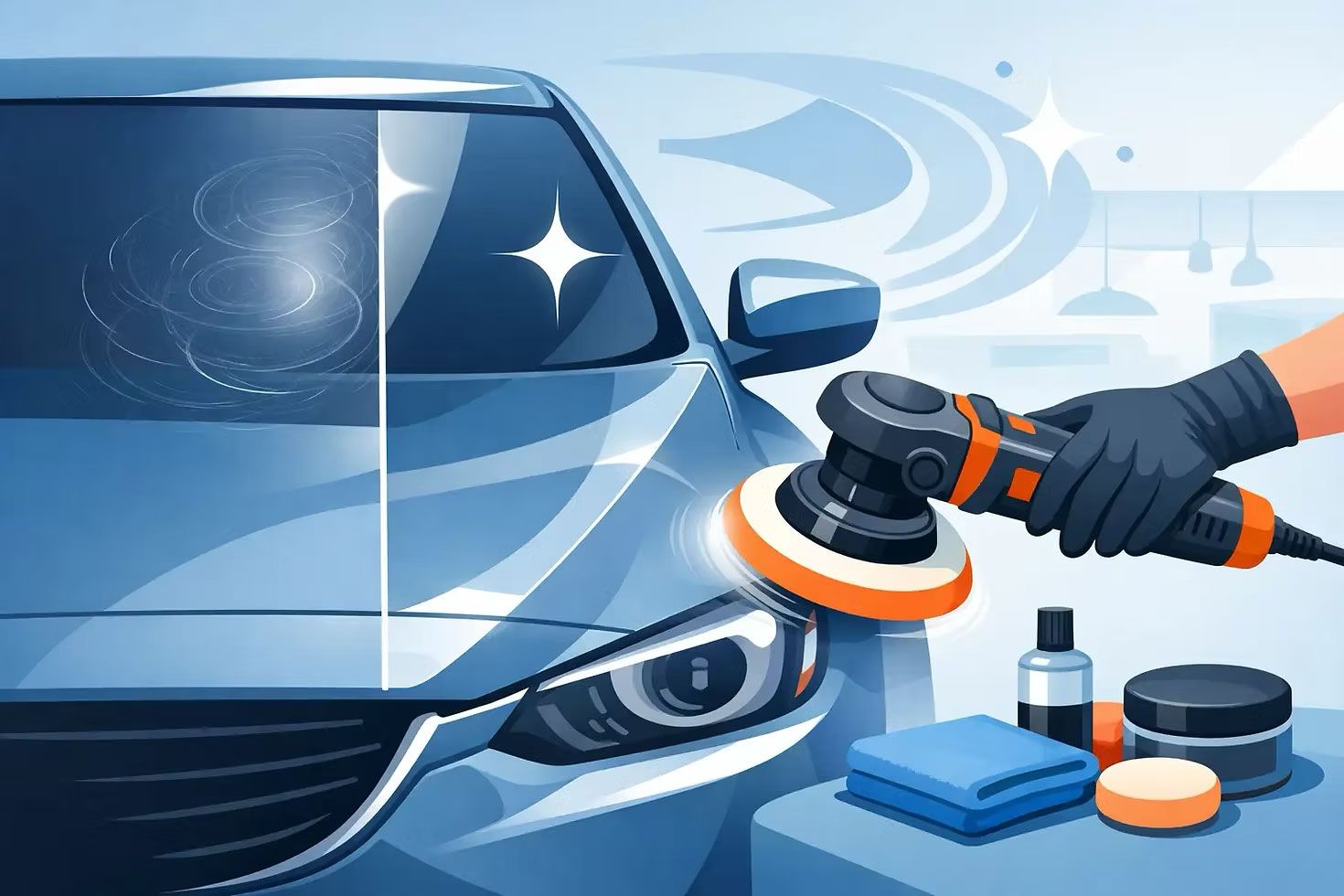
During correction, a technician uses specialized polishers, pads, compounds, and finishing polishes to refine the surface. Depending on the condition of the paint, this may be a single-stage polish to improve gloss or a multi-stage correction designed to remove heavier defects and dramatically improve overall appearance.
This is why paint correction is often confused with detailing. Detailing cleans and improves a vehicle. Paint correction goes further by physically refining the paint surface itself.
What Paint Correction Fixes
When people hear the term, they often assume it means any paint problem can be erased. That is not always the case. Paint correction is highly effective for defects that sit in or affect the upper layer of the clear coat.
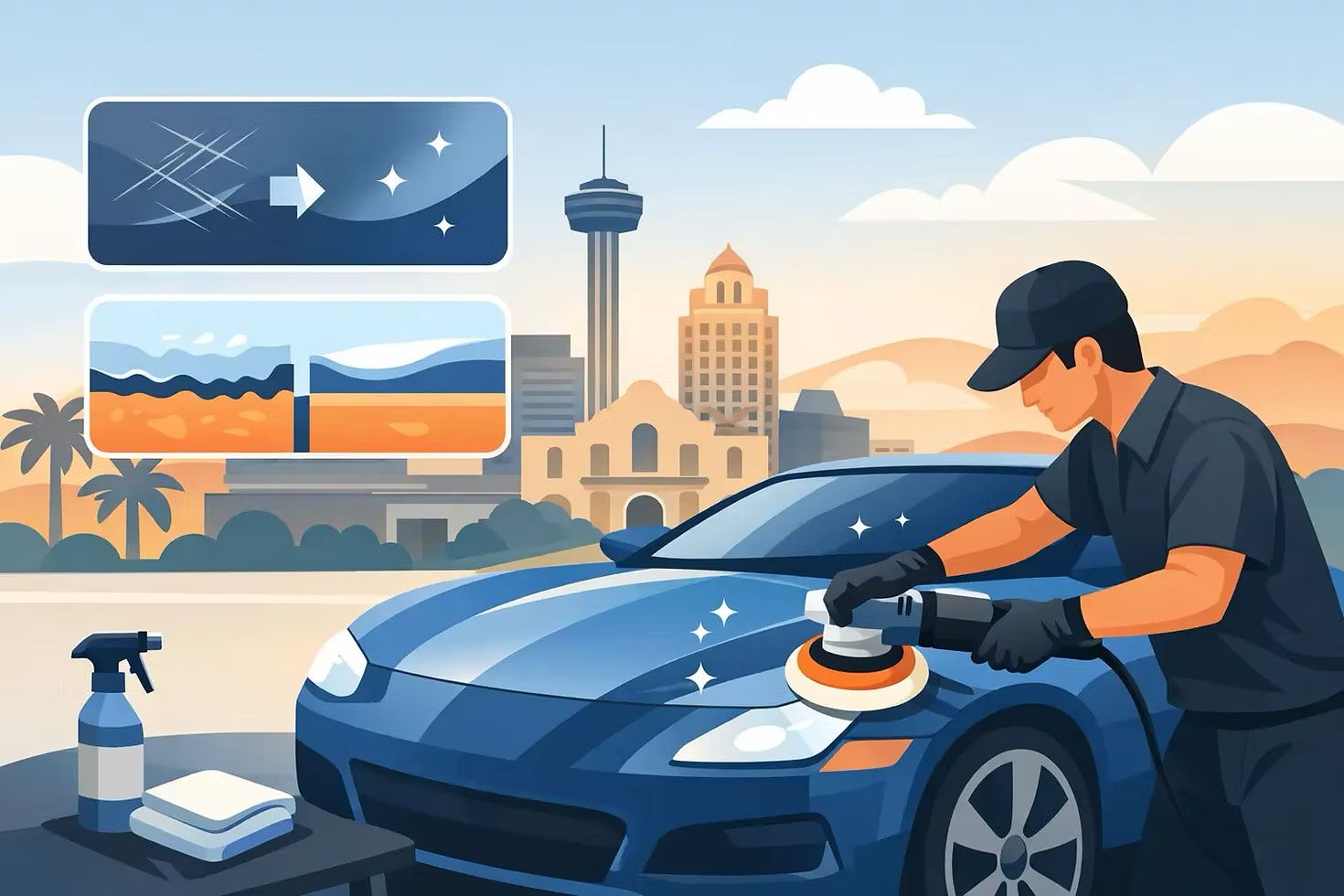
It commonly improves or removes swirl marks, towel scratches, light wash marring, haze, oxidation, buffer trails, and some water spot etching. In many cases, it can also reduce the appearance of random isolated deeper scratches, though not every scratch can be safely chased without compromising clear coat thickness.
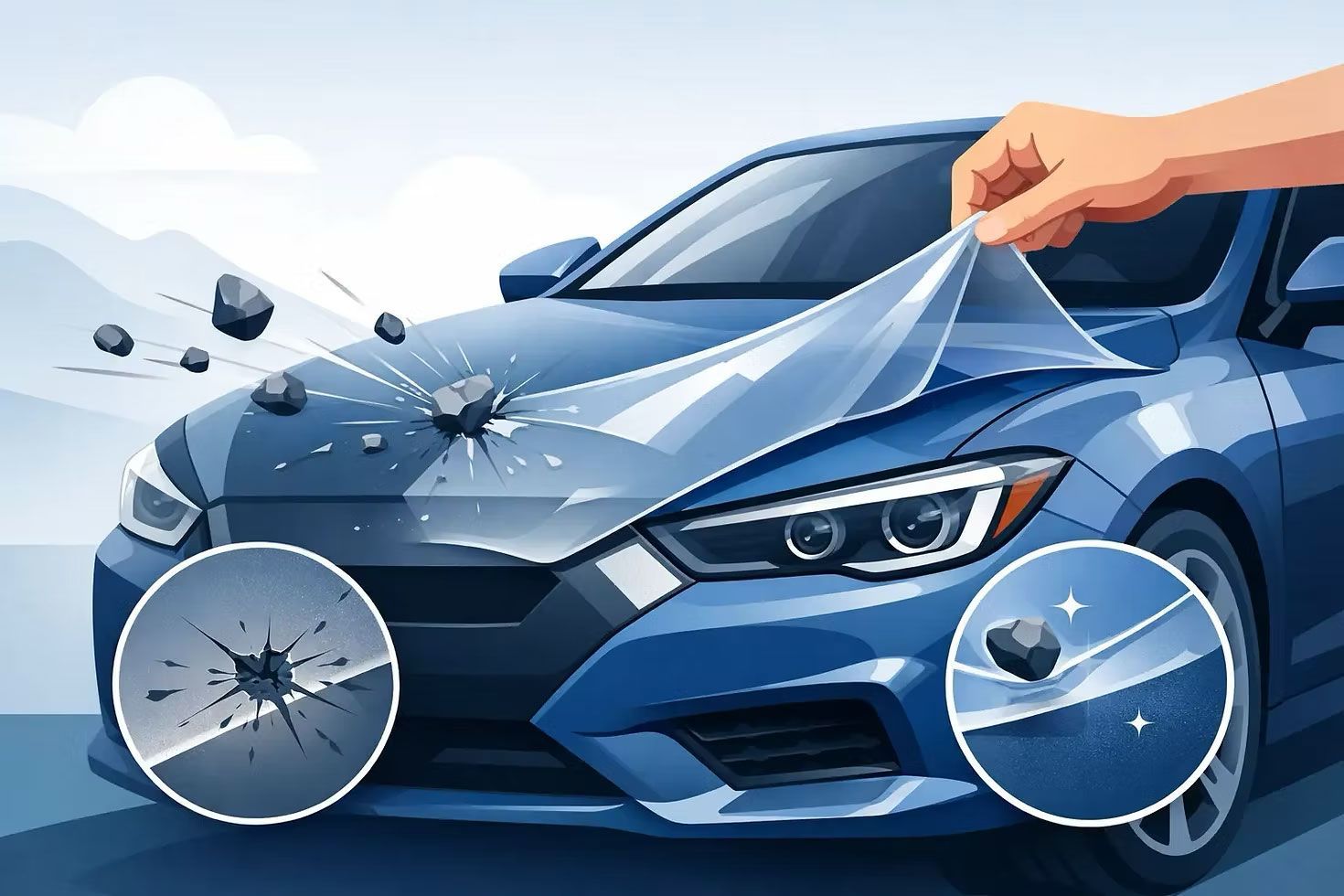
What it usually does not fix are rock chips, deep gouges, peeling clear coat, failing paint, or scratches that cut through the clear coat into the color layer. Those issues may require touch-up work, repainting, or other repair methods.
That distinction matters. A reputable shop will inspect the paint first and explain what is realistically correctable versus what can only be improved.
How the Process Works
Good correction starts long before a machine touches the paint. Preparation is where the quality of the result is built.
First, the vehicle is washed thoroughly to remove loose dirt and road film. Then the surface is decontaminated to pull embedded fallout, tar, and bonded contaminants from the paint. If this step is rushed, polishing pads can drag contamination across the surface and create more marring.
Next comes inspection. Under proper lighting, a technician evaluates the type and severity of defects, the paint condition, and the likely correction approach. Paint depth readings may also be taken when needed to help guide how aggressive the process can safely be.
From there, the correction stage begins. A compound may be used to cut defects, followed by a finer polish to refine the finish and restore gloss. On softer paints, this process can be delicate. On harder paints, it may take more time and a different pad and polish combination to achieve the same level of refinement.
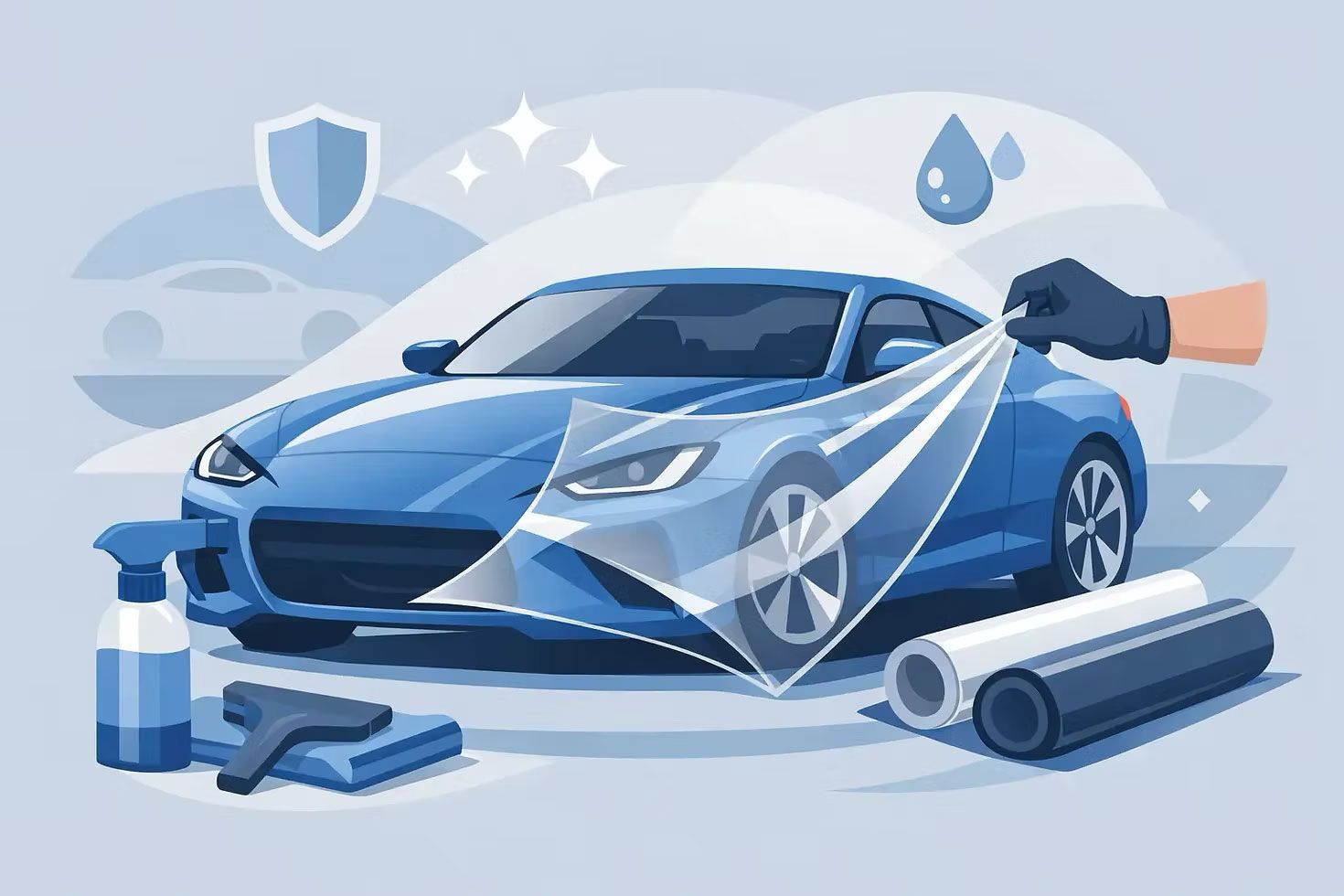
The final result should look sharper, glossier, and much cleaner under both sunlight and shop lighting. If the vehicle is receiving a ceramic coating or paint protection film, correction is often performed first so the protection locks in a cleaner finish rather than sealing defects underneath.
One-Step vs. Multi-Step Paint Correction
Not every vehicle needs the same level of work. That is where the difference between one-step and multi-step correction matters.
A one-step correction is typically chosen for newer vehicles with moderate swirls, mild haze, or light wash damage. It aims to improve the paint significantly in a single polishing stage. This option is efficient and often delivers a strong visual upgrade without the added time of a more aggressive process.
A multi-step correction is used when the paint has heavier defects and the owner wants a more refined result. One stage removes more serious imperfections, and another follows to refine the finish. This approach usually produces greater defect removal and more gloss, but it also requires more labor, more testing, and more precision.
Neither option is automatically better. It depends on paint condition, vehicle type, budget, and expectations. For a daily driver, a strong one-step correction may be the right balance. For a garage-kept enthusiast vehicle or a car being prepared for ceramic coating, a more involved correction may make better sense.