Does Window Tint Block UV? What to Know
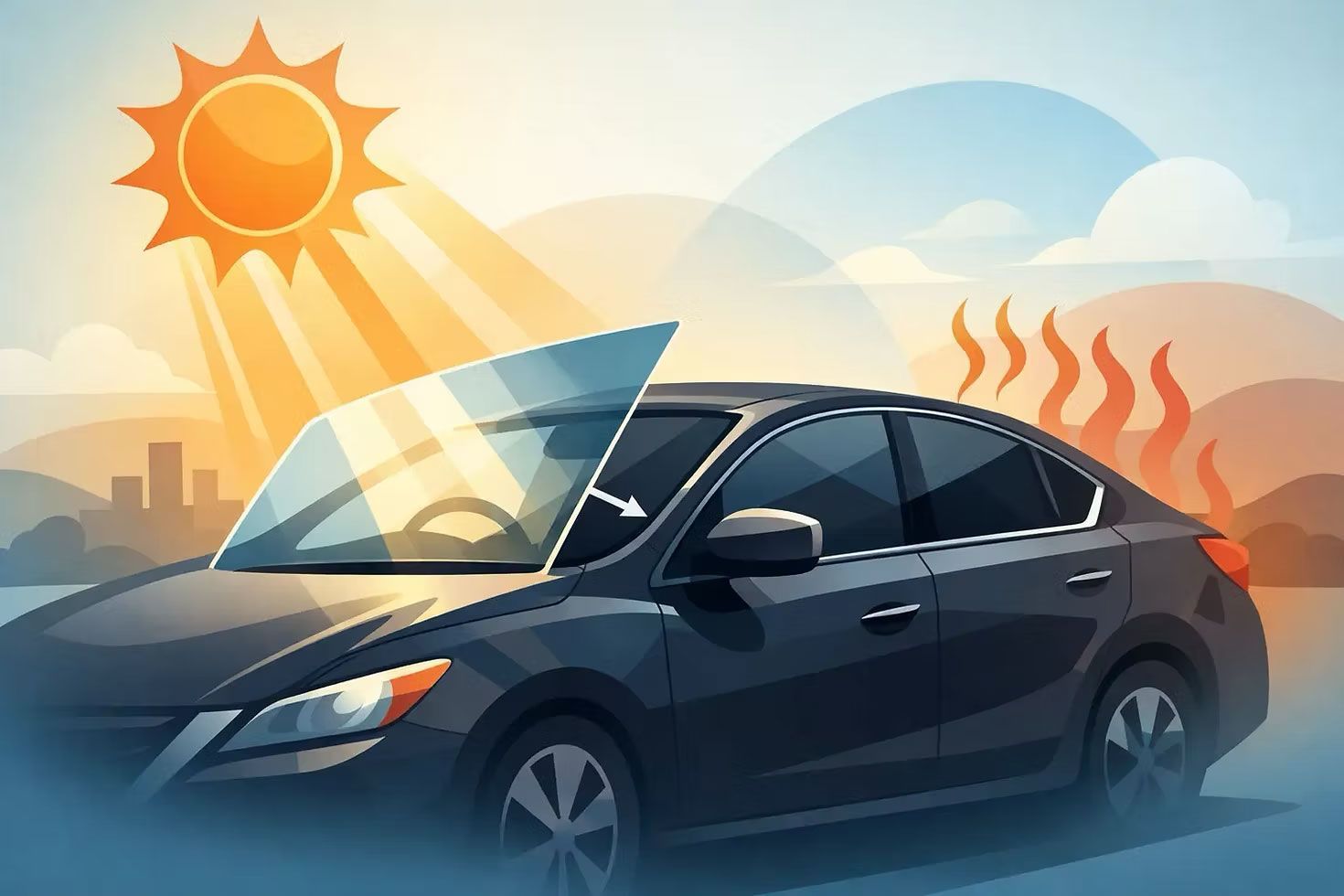
Park your vehicle in the Texas sun for a few hours and the results show up fast - hot seats, a harsh steering wheel, and interior surfaces that take a beating over time. That is why so many drivers ask, does window tint block uv, or is it mainly there for privacy and looks? The short answer is yes, quality window tint can block a very high percentage of UV rays, but not every film performs the same, and the difference matters.
If your goal is real protection for your skin, your passengers, and your interior, the film you choose matters just as much as the decision to tint in the first place. A basic dyed film and a premium ceramic film may look similar from the outside, but they can deliver very different long-term results.
Does window tint block UV on every window?
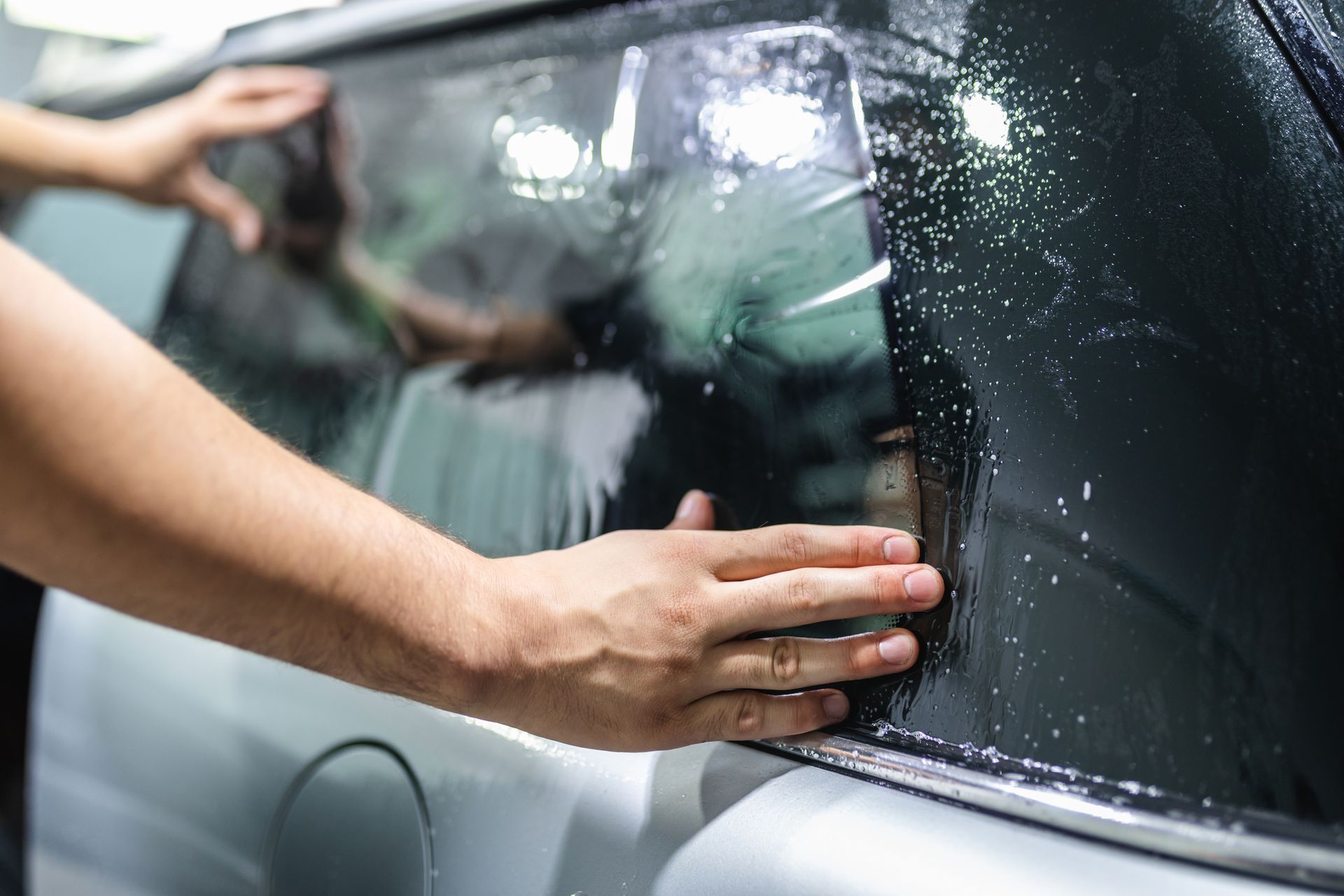
Window tint is designed to reduce sunlight entering the cabin, but UV blocking depends on the film technology and the glass it is applied to. Most automotive tint films are built to reject a large percentage of ultraviolet radiation, especially UVA rays, which are the type most associated with skin aging and interior fading.
That said, "window tint" is a broad category. Some lower-grade films focus more on darkening the glass for appearance and glare control. Higher-end films are engineered for performance, with layers that target UV, infrared heat, and visible light separately. That means a lighter film can sometimes outperform a darker one when it comes to actual protection.
Your factory glass already blocks some UV, especially the windshield, which is laminated by design. Side and rear glass often allow more UV through unless film is added. So when customers ask whether tint blocks UV, the better answer is this: the right film can dramatically improve protection across the vehicle, but coverage and performance depend on the product and installation.
What UV protection window tint actually provides
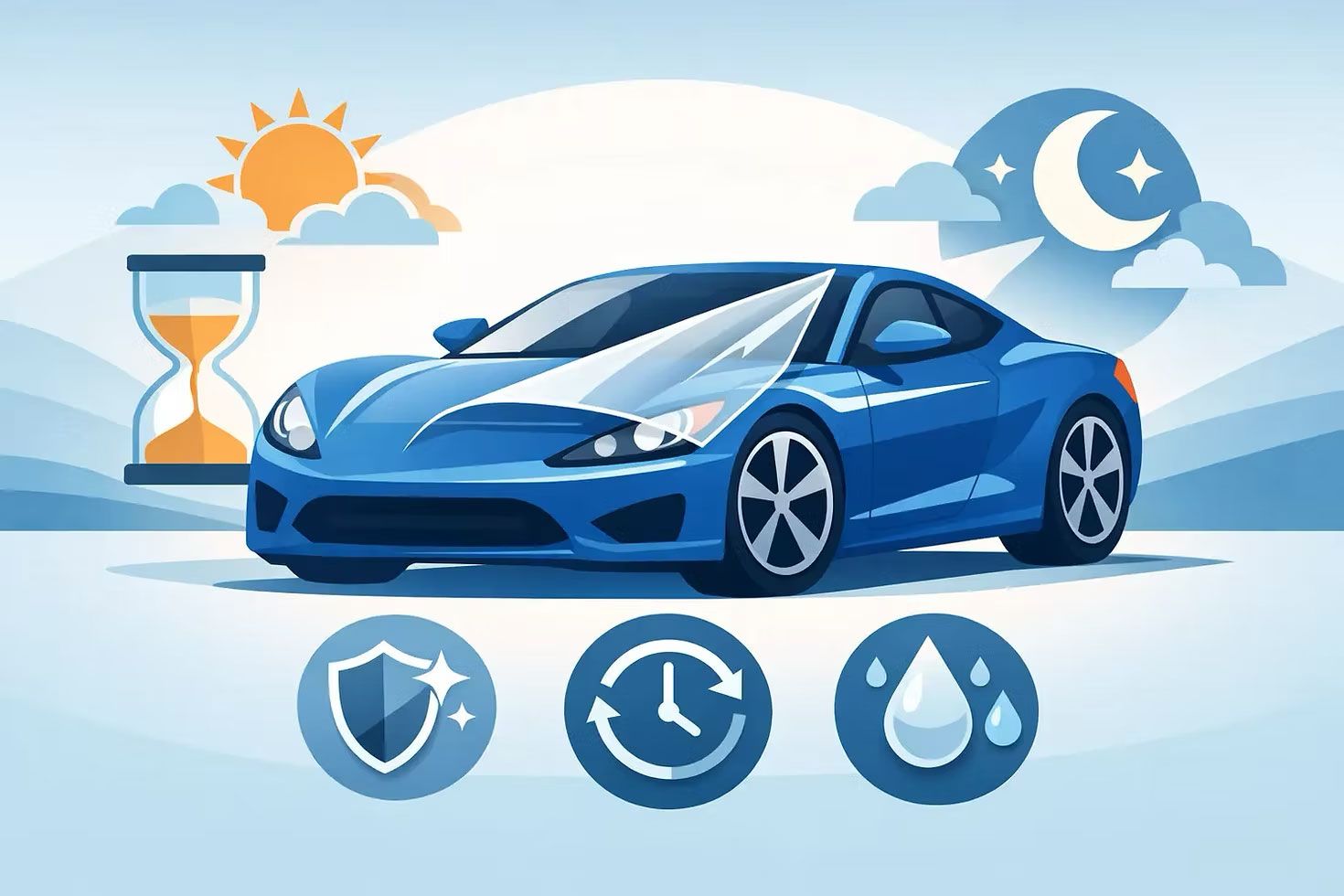
A quality automotive tint film can block up to 99% of harmful UV rays. That is the number many premium films are built around, and it is one of the biggest reasons experienced shops recommend performance film rather than treating tint as a cosmetic add-on.
This level of UV rejection helps in a few practical ways. First, it reduces fading and discoloration on leather, vinyl, plastic trim, dashboards, and upholstery. Interior materials break down over time when they are exposed to constant sunlight, especially in a hot climate. Second, it helps reduce daily exposure for drivers who spend a lot of time behind the wheel. Even short commutes add up over the years.
There is also a comfort factor. UV itself is not what creates that oven-like cabin temperature, but films that are strong at UV rejection are often also designed to manage heat and glare more effectively. So while UV protection is one benefit, it usually comes as part of a more complete improvement in cabin comfort.
UV blocking vs heat rejection are not the same thing
This is where a lot of drivers get mixed information. A film can block a high percentage of UV and still not be the best option for heat rejection. UV rays make up only part of the solar energy coming through your glass. Infrared energy plays a major role in how hot the cabin feels.
That is why ceramic window tint gets so much attention. Ceramic films are engineered to reject both UV and a significant amount of heat-producing infrared energy without relying on extreme darkness. You can have a film that stays legal, keeps the cabin more comfortable, and still provides excellent UV protection.
If you only compare tint by how dark it looks, you miss the bigger picture. Darkness affects visible light transmission. It does not automatically tell you how much UV or heat the film blocks. Two vehicles can look nearly identical from the outside while offering very different levels of protection inside.
Why film quality makes such a big difference
Not all tint is built for long-term performance. Lower-end films may start out looking fine, but over time they can fade, discolor, bubble, or lose clarity. If the film breaks down, the protection you paid for may not stay consistent.
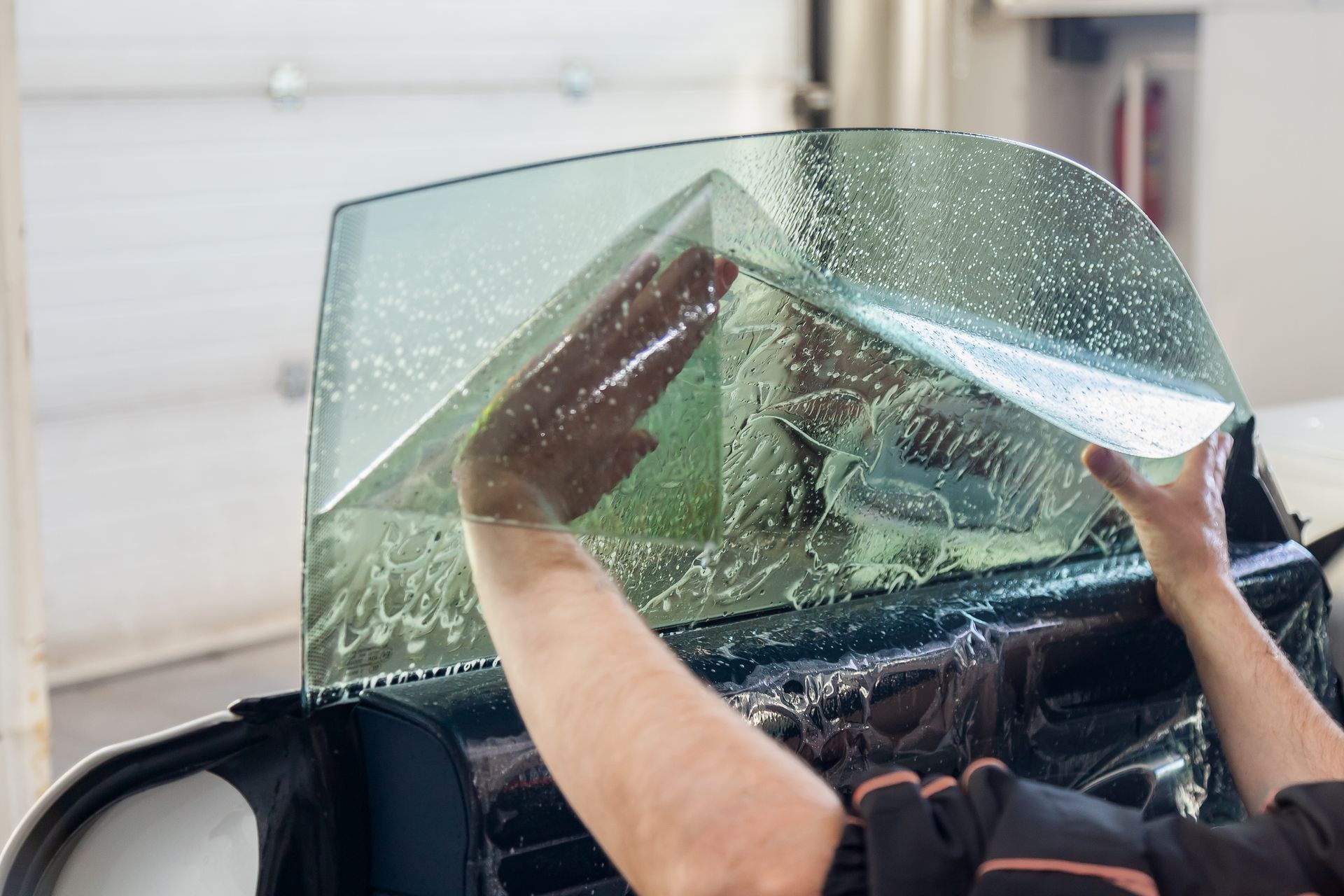
Premium film is usually more stable, clearer, and better at maintaining performance over the years. It also tends to have better adhesive systems and cleaner construction, which helps the final install look smoother and last longer. That matters because even the best film can be compromised by poor installation.
At a specialist shop, prep work, glass cleaning, and installation precision are part of the protection package. Contamination under the film, edge lift, or uneven placement are not just cosmetic issues. They affect durability and overall satisfaction with the job.