Signs your PPF is nearing the end of its life
PPF does not usually fail all at once. More often, it starts showing smaller signs that the material is aging.
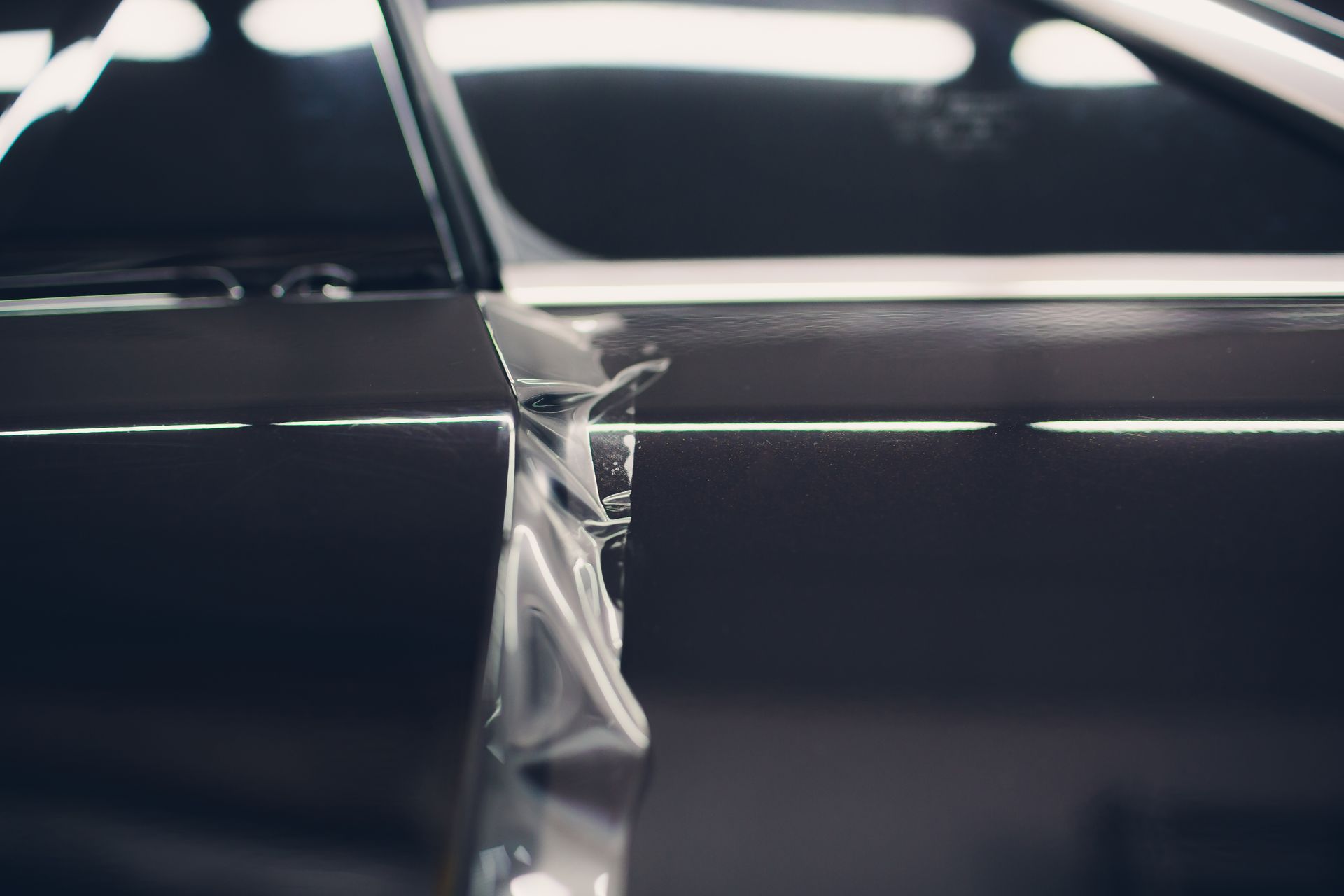
Loss of clarity is one of the first things owners notice. If the film starts looking dull, hazy, or permanently stained even after proper cleaning, it may be wearing out. Edge lifting is another common sign. Once corners or seams begin to lift, dirt and moisture can work underneath and make the problem worse.
Yellowing, cracking, excessive scratching that no longer self-heals, or adhesive issues can also signal that replacement is getting close. Some wear is cosmetic, while other issues affect the film's ability to keep protecting the paint underneath. If the goal is long-term preservation, waiting too long to replace failing film can work against you.
Can PPF last longer than 10 years?
Sometimes, yes. On lightly driven, well-kept vehicles, premium film can remain in good condition beyond the typical warranty window. But there is a difference between film still being present and film still performing at a high level.
By the time you get past 8 to 10 years, the condition of the film matters more than the calendar. If it still looks clear, remains well-adhered, and continues protecting the paint effectively, there may be no reason to remove it immediately. On the other hand, if the film is becoming brittle or visibly worn, replacing it sooner is usually the smarter move.
How to get the most life out of PPF
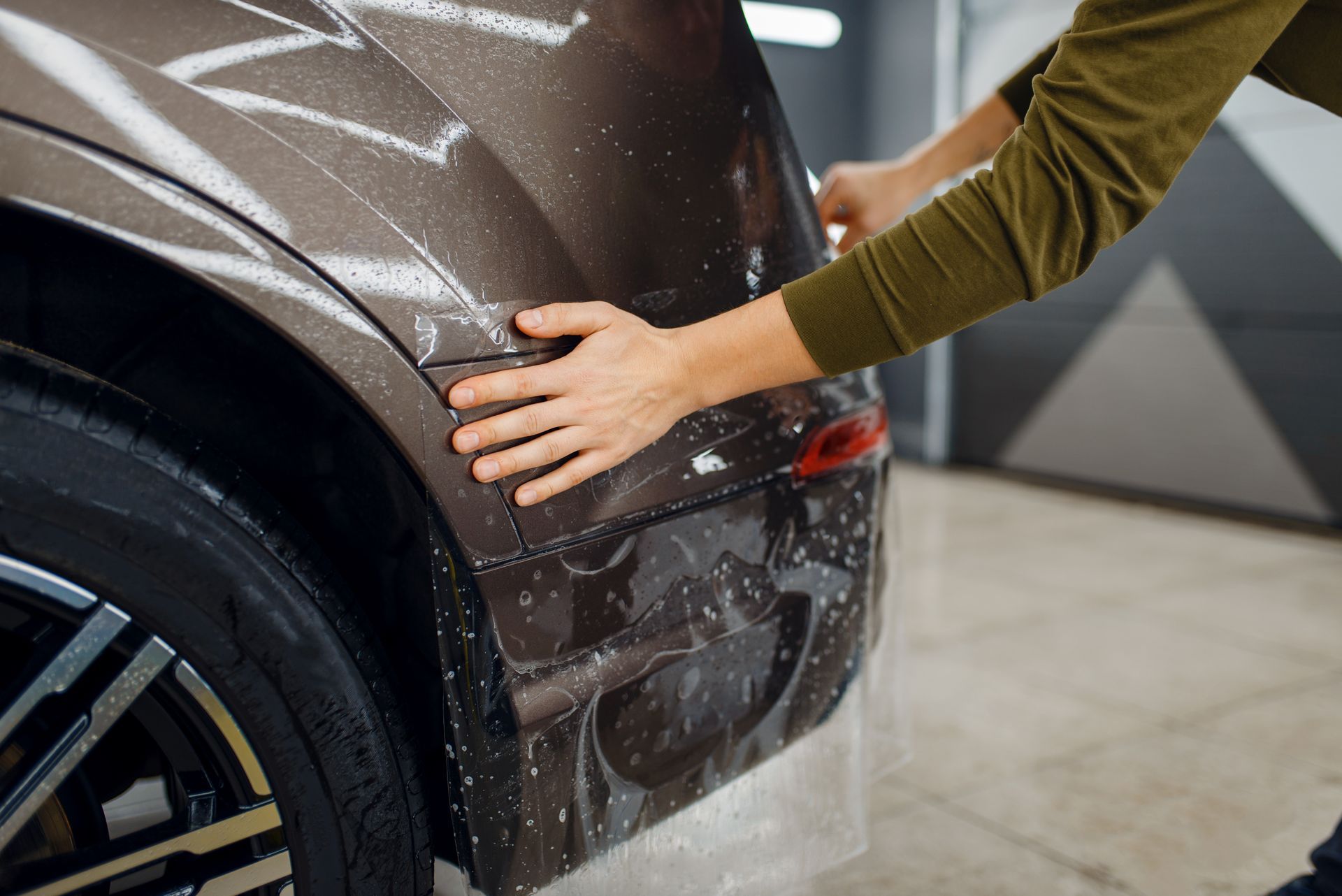
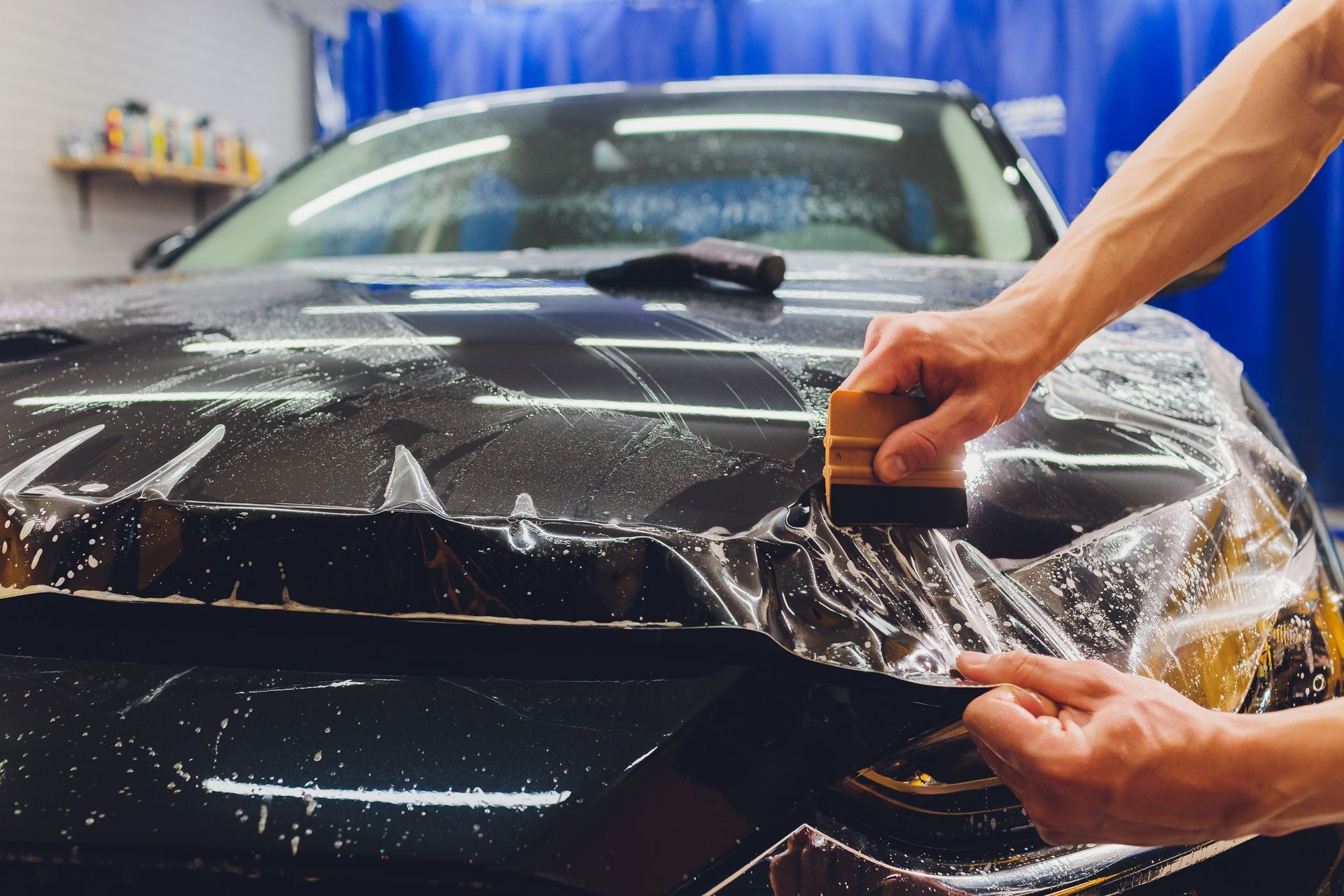
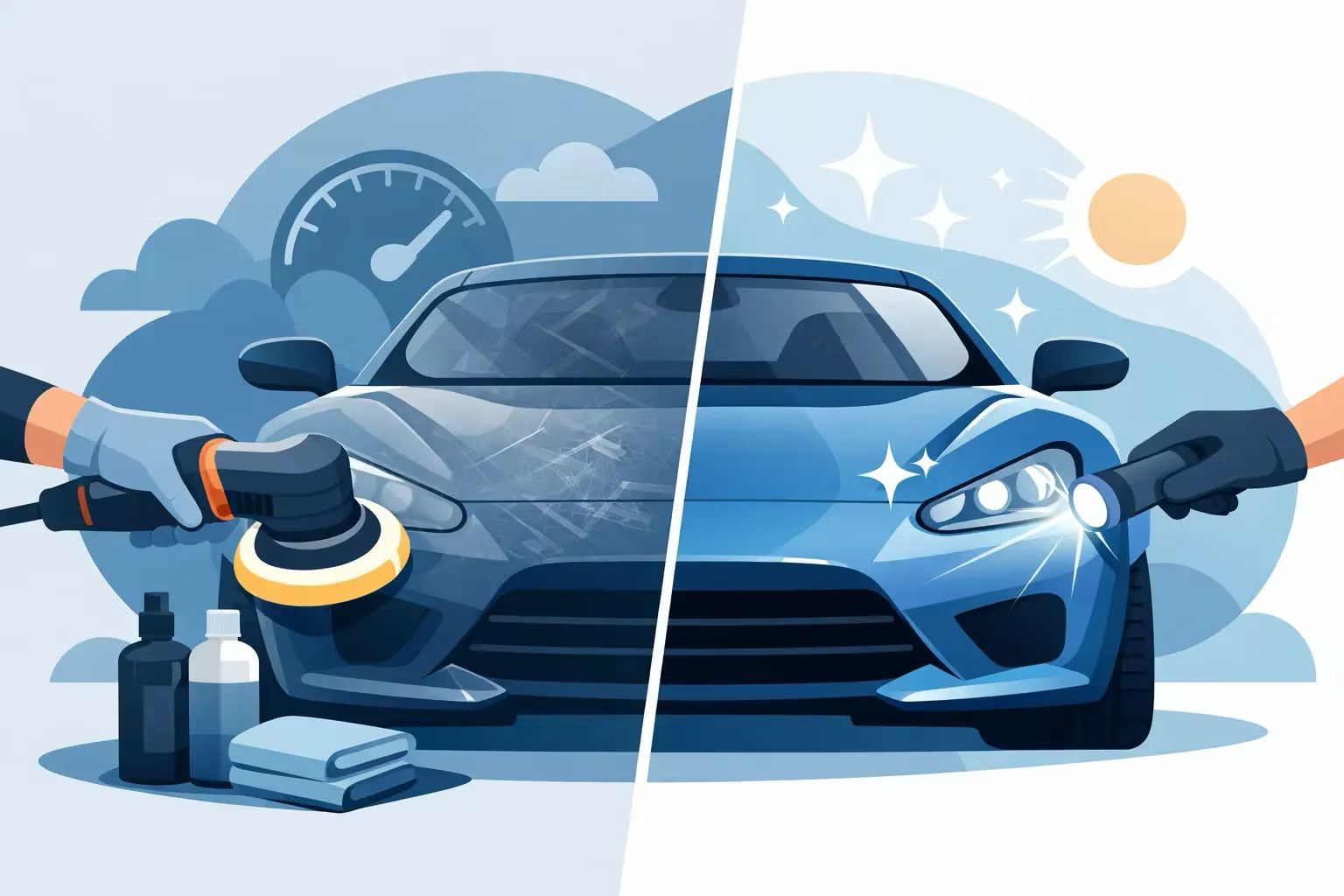
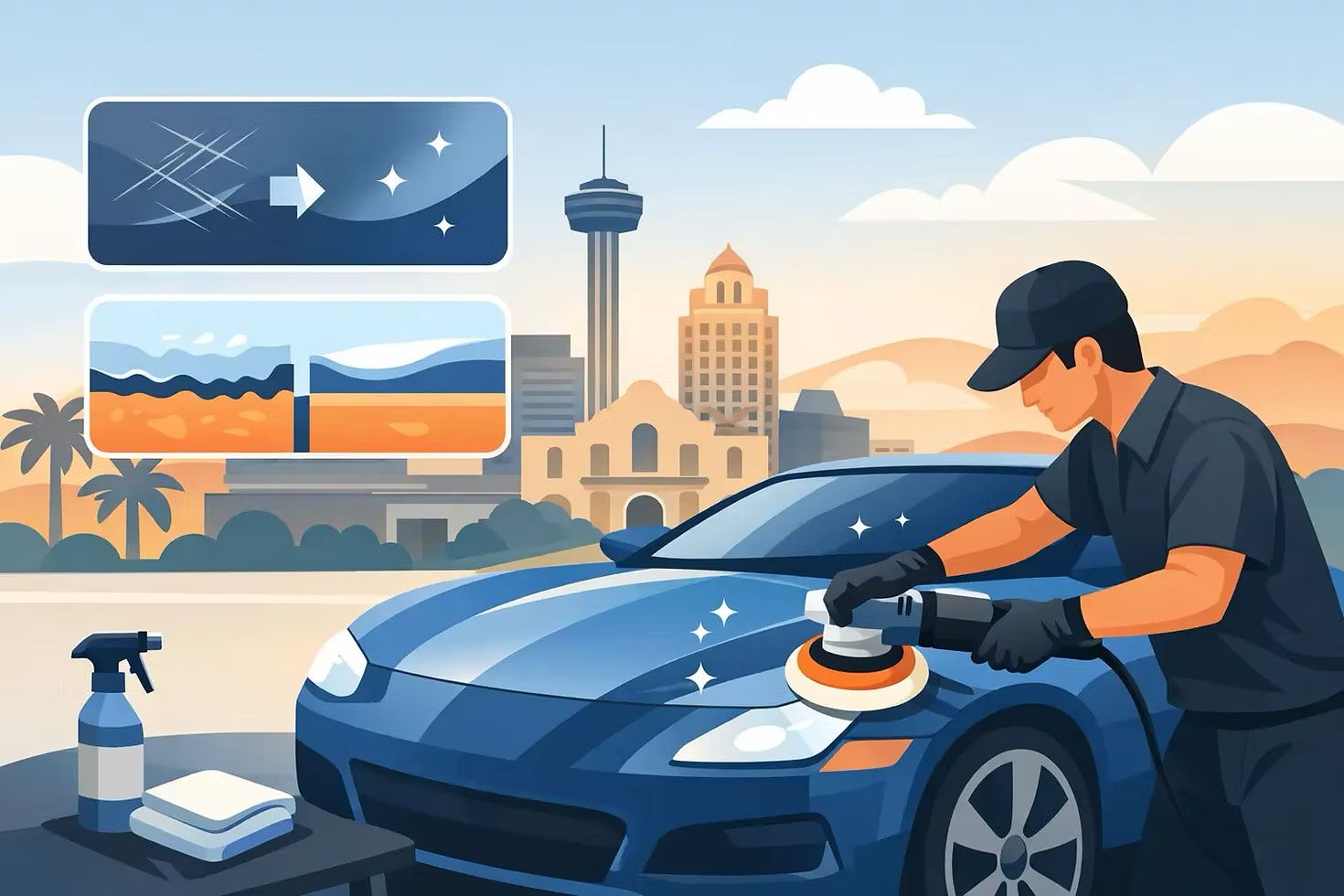
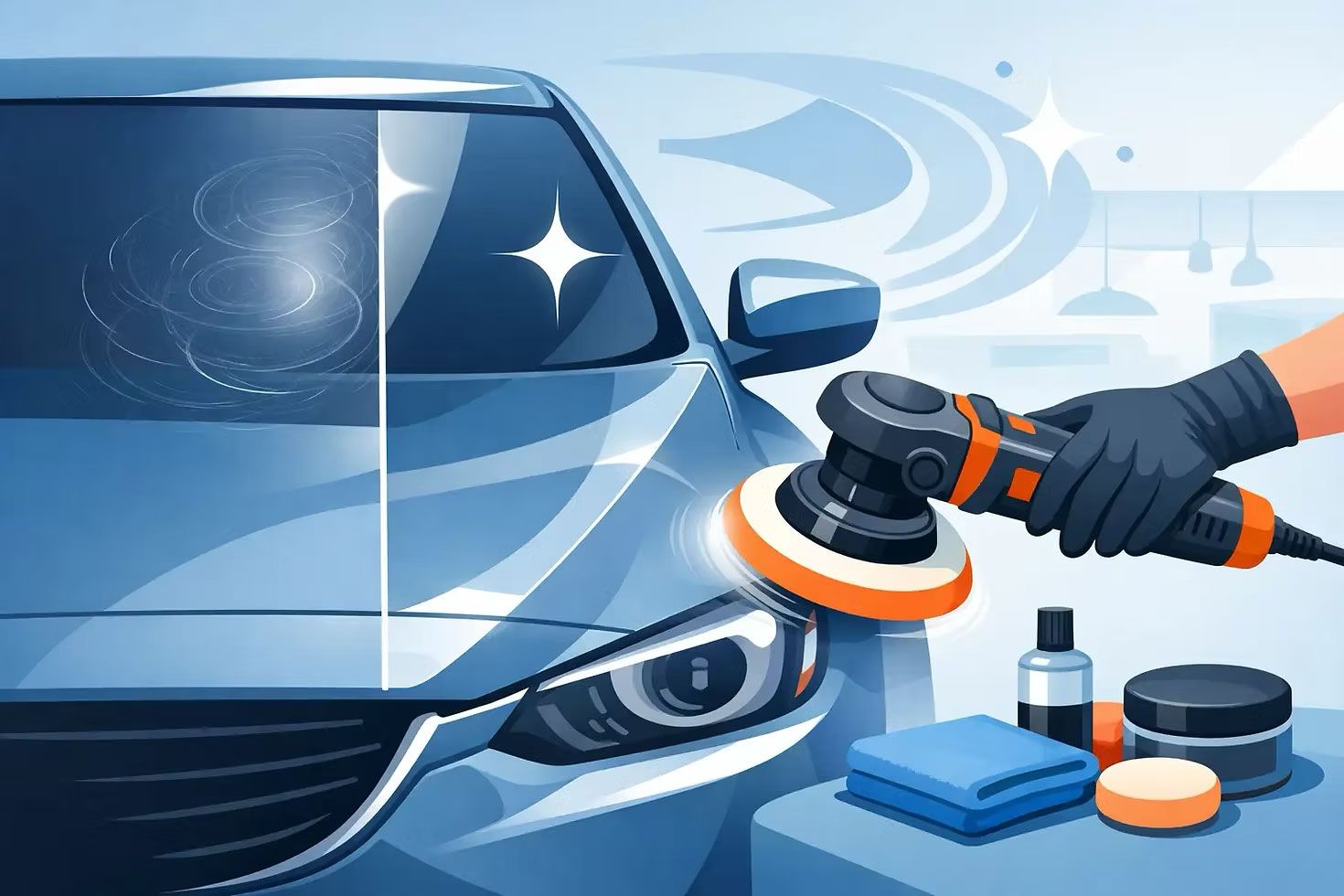
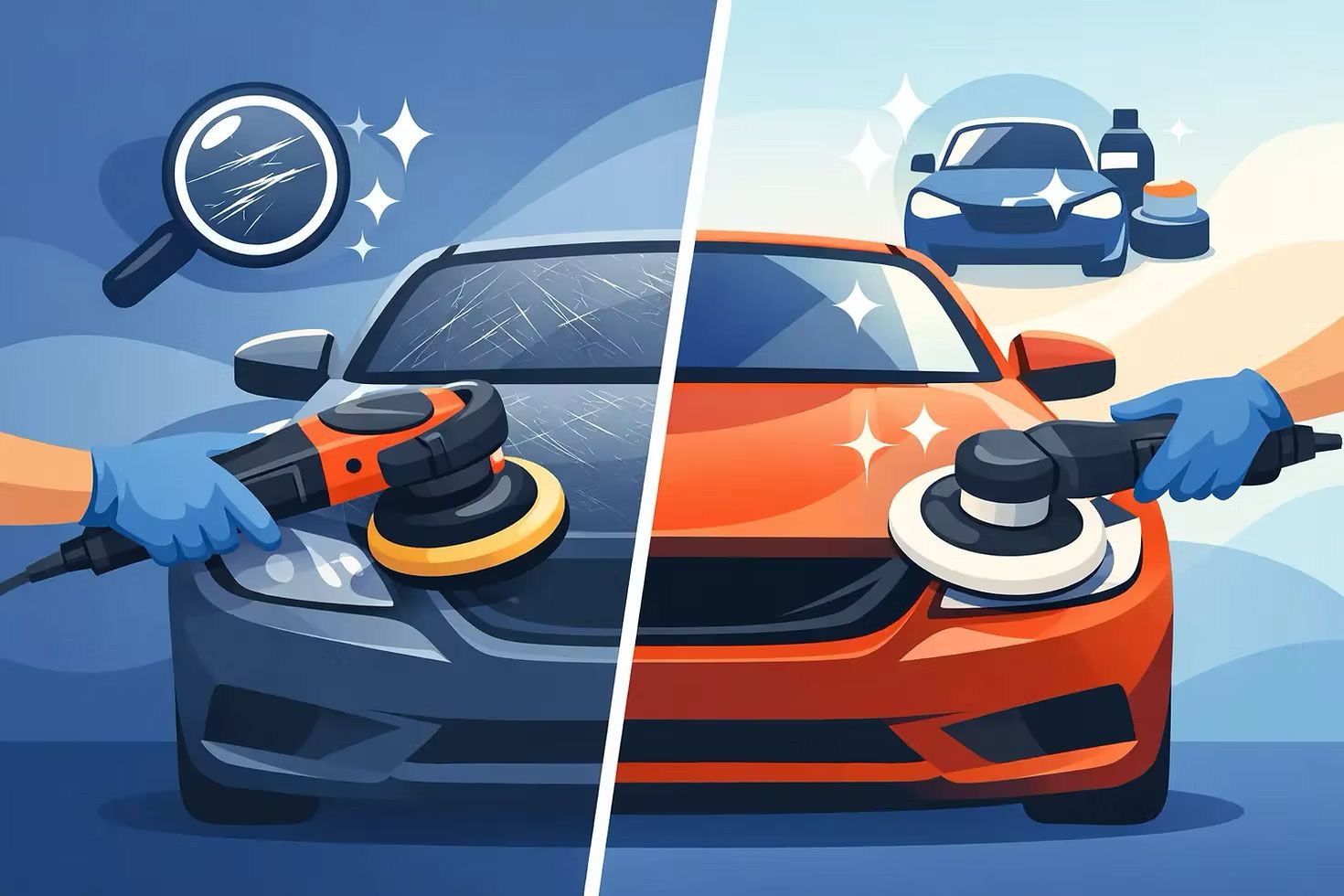
The best way to extend film life starts before the installation even happens. Proper paint prep is critical. Clean, corrected paint gives the film the best possible surface to bond to and delivers a cleaner final appearance.
After installation, wash the vehicle regularly with film-safe products and avoid abrasive brushes. Remove bug residue, bird droppings, and tree sap quickly instead of letting them bake in the sun. If you notice mineral deposits or stubborn contamination, have them addressed before they etch the top layer.
A ceramic coating made for PPF can also help. It does not replace the impact protection of the film, but it can improve slickness, make cleaning easier, and reduce how quickly grime sticks to the surface. That means less stress during washing and better long-term appearance.
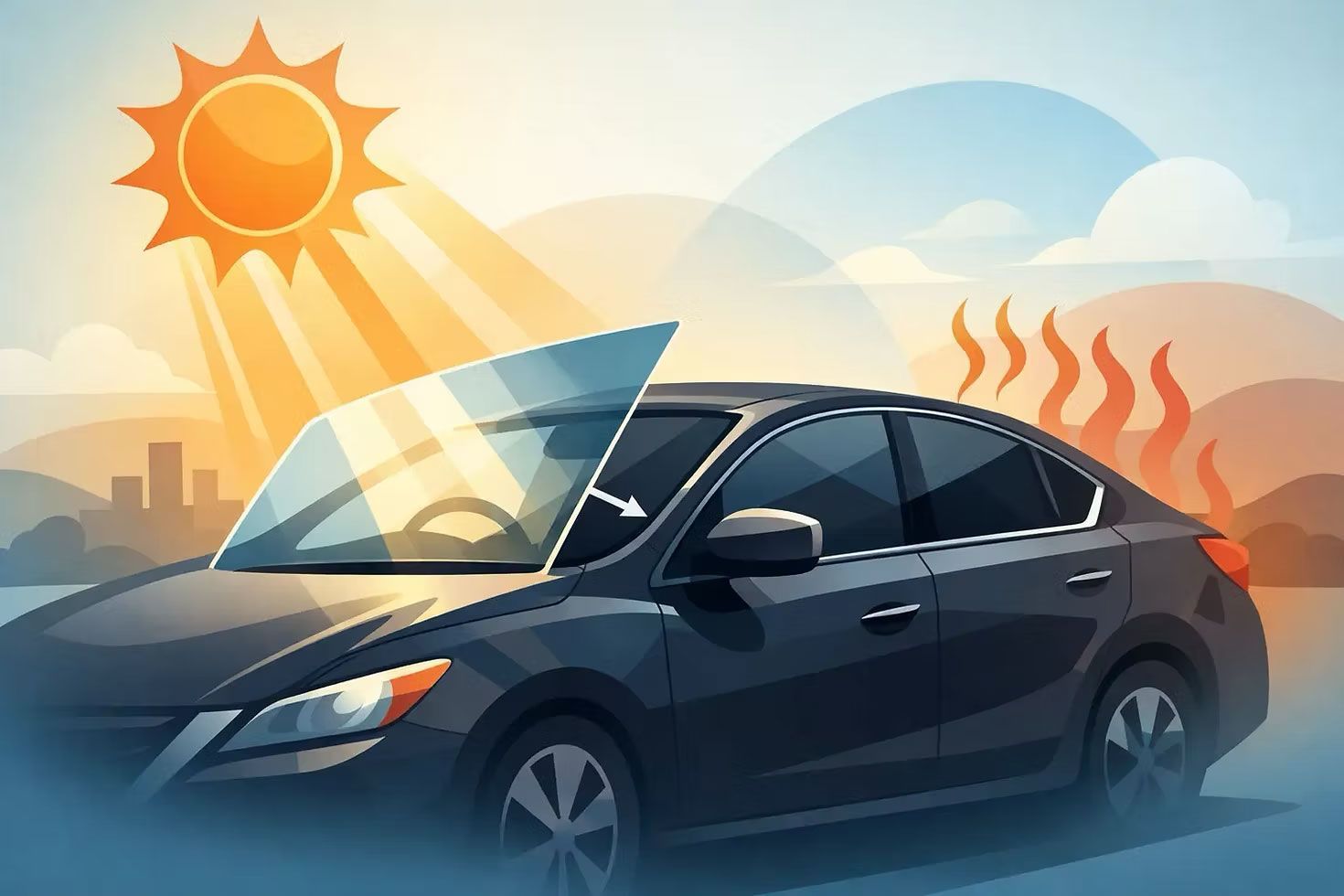
Parking habits also help. Shade, covered parking, or garage storage reduces constant UV exposure and weathering. Small choices add up over several years.
Is all PPF coverage expected to last the same amount of time?
Not always. Full-front PPF on a daily driver often takes more abuse than film on rear quarter panels or less exposed painted surfaces. High-impact zones wear harder because they are doing the toughest job.
That is normal. The front bumper, hood edge, fenders, and mirror caps are usually where road debris hits first. If those areas start showing wear before the rest of the vehicle, it does not automatically mean the installation was poor. It may simply reflect where the vehicle absorbs the most punishment.
For that reason, some owners replace high-impact sections earlier while leaving less exposed film in place longer. It depends on the vehicle, the condition of the material, and how particular the owner is about appearance.
Is PPF worth it if it does not last forever?
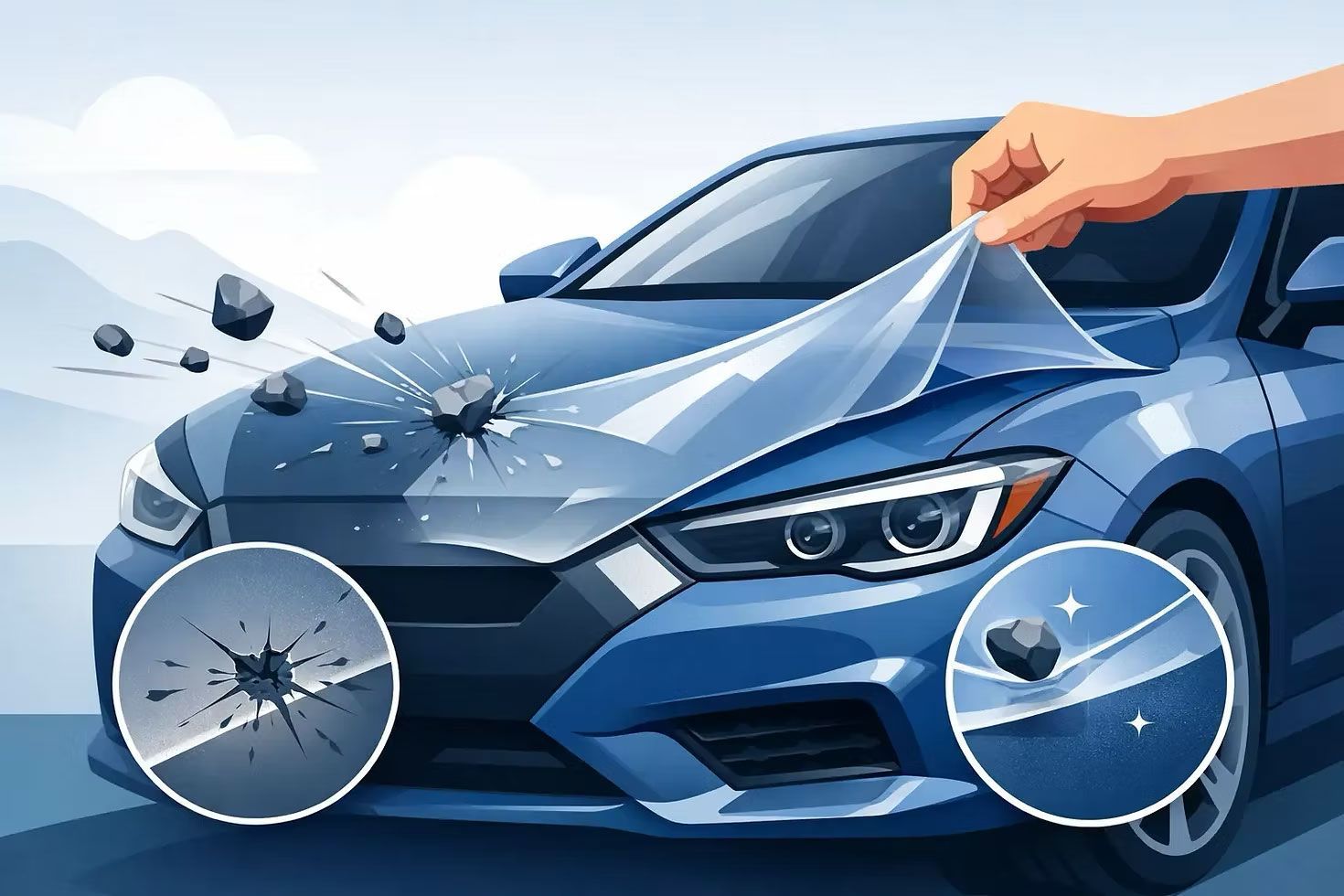
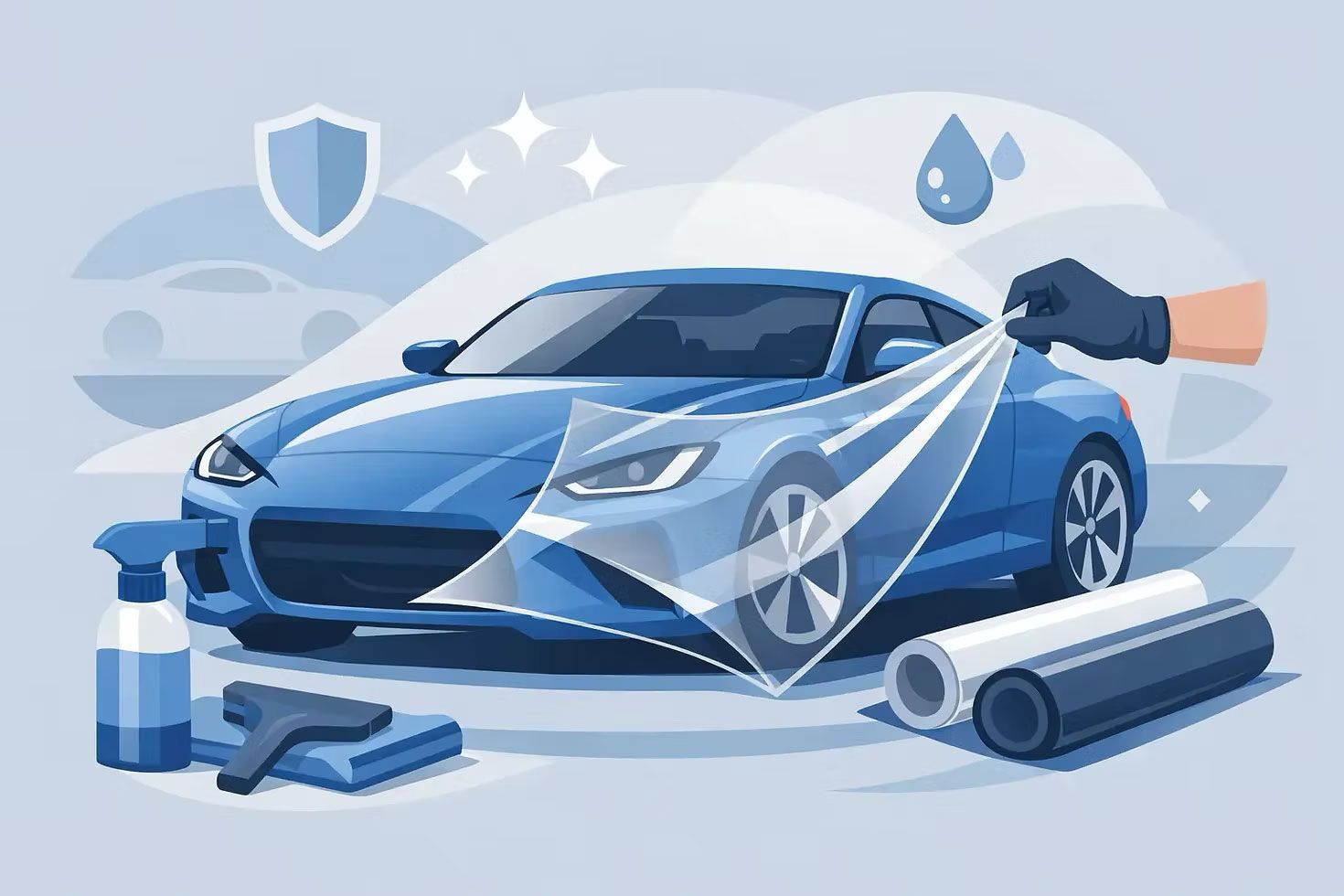
For most owners who care about keeping paint in top condition, yes. PPF is not permanent, but it is designed to take damage so your original finish does not have to. That matters on new vehicles, performance cars, luxury vehicles, and even daily drivers that rack up miles in rough conditions.
When people ask how long does PPF last, they are often really asking whether the investment makes sense. If the film prevents years of rock chips, reduces surface damage, preserves resale appeal, and keeps the paint looking cleaner and newer, it delivers value long before it ever needs replacement.
The key is treating it like a protective system, not a one-time product you forget about. Good film, installed with care, maintained properly, gives you years of real protection and keeps your paint in far better shape than unprotected panels would be.
At JC Auto Salon, this is why prep work and installation standards matter so much. A film package should not just look good when it leaves the shop. It should hold up, perform consistently, and protect the finish the way it was intended to.
If you are considering PPF, focus less on chasing the longest possible number and more on getting the right film, the right coverage, and the right installation for how you actually use your vehicle. That is what turns PPF from a short-term cosmetic upgrade into long-term paint protection.