


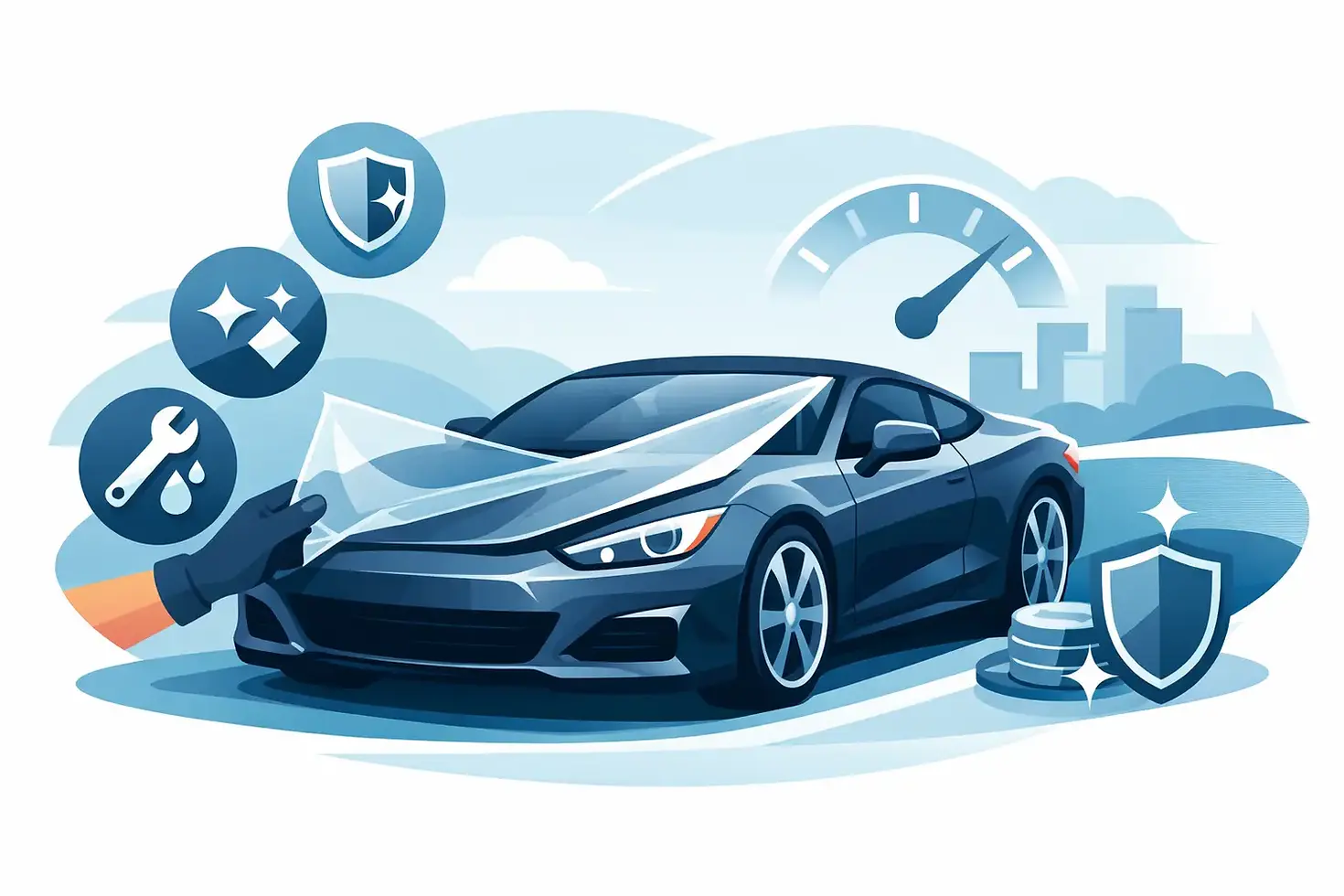
Is PPF Worth It for Your Vehicle?
- jcsautosalon
- Jun 5
- 6 min read
A brand-new hood with a fresh chip after one highway drive is usually when this question gets real. Is PPF worth it when the price is higher than a wax, a detail, or even a ceramic coating? For a lot of vehicle owners, the answer is yes - but not for everyone, and not on every vehicle.
Paint protection film, or PPF, is one of the few products in the automotive appearance world that solves a very specific problem. It is designed to absorb the abuse your paint would otherwise take from rock chips, road debris, bug acids, light scuffs, and daily wear. If you care about keeping factory paint in top condition, that matters. If you are driving an older commuter and appearance is not a priority, it may not.
Is PPF worth it for daily drivers?
For many daily drivers, PPF makes the most sense on the areas that get hit the hardest. The front bumper, front fenders, hood, mirror caps, and headlights take constant abuse from the road. In Texas, that can include gravel, construction debris, bugs, and intense sun exposure that punish a vehicle year-round.
If you commute on highways, follow trucks, or put serious miles on your vehicle, those front-end impact zones are where damage starts early. One chip on a bumper is easy to ignore. Fifty chips across the front edge of a hood are harder to overlook, especially on darker paint colors where every mark stands out.
This is where PPF earns its value. It protects the finish in a way coatings and sealants do not. Ceramic coating helps with gloss, water behavior, and easier cleaning, but it does not stop rock chips. PPF is the product built for impact protection.
For a daily driver, full-body PPF is not always necessary. A partial front or full front package often gives the best balance between cost and real-world protection. You are putting the budget where the damage actually happens.
What you are really paying for
A lot of people look at PPF pricing and immediately compare it to a detail or coating package. That comparison misses what film installation actually involves. Good PPF work is not just laying clear material on paint. The result depends heavily on prep, pattern fitment, edge finishing, installation technique, and the condition of the paint underneath.
If the surface is not properly cleaned and corrected first, the film can lock in defects you will continue to see every time the light hits the panel. If edges are not wrapped or aligned carefully, the install can look obvious. If the film quality is poor, you may end up with yellowing, lifting, or disappointing clarity.
That is why professional PPF pricing reflects more than the product itself. You are paying for material quality, paint preparation, installation skill, and long-term appearance. When it is done right, the film should preserve the look of the vehicle rather than distract from it.
When PPF is absolutely worth it
PPF tends to be a strong investment when the vehicle is new, high-value, or hard to repaint correctly. Factory paint quality matters. Once a panel is chipped up and repainted, it is no longer original, and paint match can become an issue.
If you own a luxury car, performance vehicle, truck with wide front exposure, or a specialty vehicle that you want to keep clean and sharp, film usually makes financial and practical sense. It is also worth serious consideration if you are the type of owner who notices every nick in the bumper and every peppered spot on the hood. Some people are simply more bothered by paint damage than others, and that matters in the decision.
Leased vehicles can also be a case-by-case fit. If the manufacturer paint is still in excellent condition at turn-in, you may avoid charges or preserve appearance throughout the lease term. But if the lease is short and you are not concerned about minor front-end wear, the math can be less compelling.
PPF is especially valuable when installed early. Waiting until the front end is already chipped means you are protecting damaged paint instead of preserving clean paint. The best time to install it is before road wear starts adding up.
When PPF may not be worth it
There are situations where PPF is harder to justify. If you drive an older vehicle with existing chips, fading, or cosmetic wear, and your goal is simply basic upkeep, the return may not feel strong enough. If the paint is already heavily compromised, other services might make more sense first.
The same goes for owners who trade vehicles frequently and do not care much about long-term paint condition. If you keep a car for a year or two and minor wear does not bother you, spending heavily on film may not align with how you actually use the vehicle.
Budget matters too. If your choice is between skipping all protection or starting with something more affordable, it can make more sense to prioritize the highest-risk areas or combine smaller PPF coverage with other protective services. Not every vehicle needs a full-body wrap in film. Good recommendations should match the vehicle, the driving conditions, and the owner’s priorities.
PPF vs ceramic coating
This is one of the most common points of confusion. Ceramic coating and PPF are not interchangeable products. They solve different problems.
Ceramic coating adds gloss, chemical resistance, and easier maintenance. It helps dirt release more easily and makes washing simpler. It can reduce the likelihood of light wash marring if the vehicle is maintained correctly, but it is not impact protection.
PPF is the physical barrier. It is thicker, designed to absorb hits, and often has self-healing properties that reduce the appearance of light surface scratches with heat. If your main concern is rock chips and front-end damage, coating alone will not give you the protection you are looking for.
For many owners, the best setup is not PPF or ceramic coating. It is PPF on the high-impact areas, with ceramic coating applied over protected and unprotected surfaces to improve gloss and maintenance. That combination gives both physical defense and easier upkeep.
Is PPF worth it on a used car?
It can be, but the condition of the paint matters a lot. A used vehicle with clean paint, limited defects, and long-term ownership plans can still be a very good candidate. In fact, many used vehicles benefit from paint correction followed by film installation to lock in a much better finish.
On the other hand, if the front end already has a lot of chips, deep scratches, or previous repaint issues, expectations need to be realistic. PPF does not hide everything. It protects what is there. In some cases, repainting a damaged panel before applying film may be the better route, but that decision depends on the current condition and overall goals for the vehicle.
This is where an honest inspection matters. A quality shop should tell you whether the paint is a strong candidate for film, whether correction is recommended first, and whether a partial package makes more sense than going all in.
The decision comes down to how you use your vehicle
The strongest argument for PPF is simple: repainting is expensive, factory paint is worth preserving, and daily road abuse is unavoidable. If your vehicle is something you take pride in, plan to keep, or want to maintain at a high level, PPF often pays for itself in preserved condition and reduced cosmetic damage.
The strongest argument against it is also simple: if paint damage does not bother you, the vehicle already has visible wear, or your ownership timeline is short, the cost may outweigh the benefit.
That is why the right answer is not a blanket yes or no. It depends on the vehicle, the mileage, the roads you drive, your standards for appearance, and how long you plan to keep it. A carefully driven weekend car may need different protection than a black daily driver that sees construction zones every morning.
For owners who want the cleanest long-term result, especially on newer vehicles, PPF is one of the most effective ways to prevent damage before it starts. And if you are not sure how much coverage makes sense, the best next step is not guessing from photos online. It is getting a real assessment of your paint, your driving habits, and the areas that actually need protection. The right package should feel tailored, not oversized.


Comments