One-step or multi-step paint correction San Antonio service
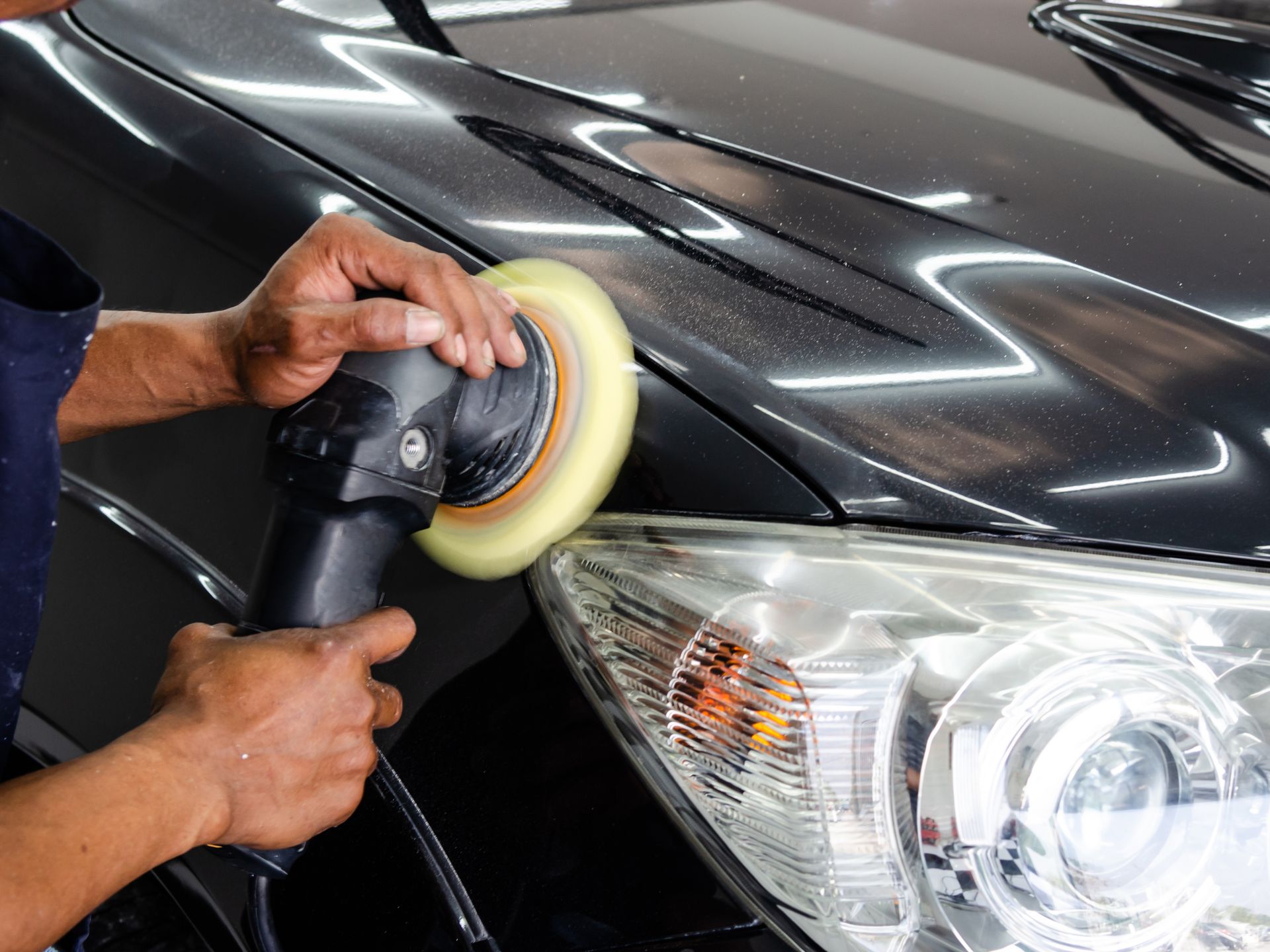
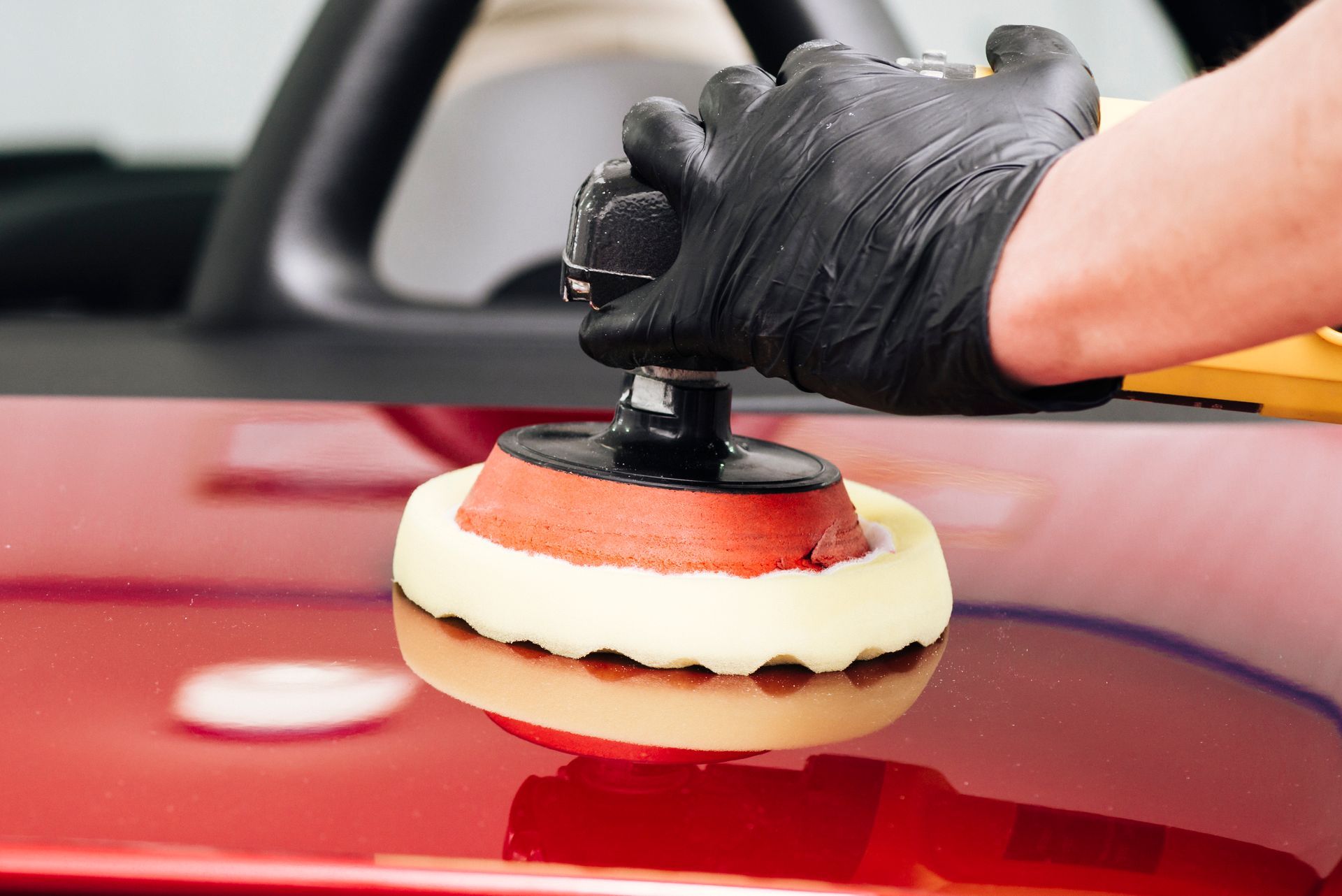
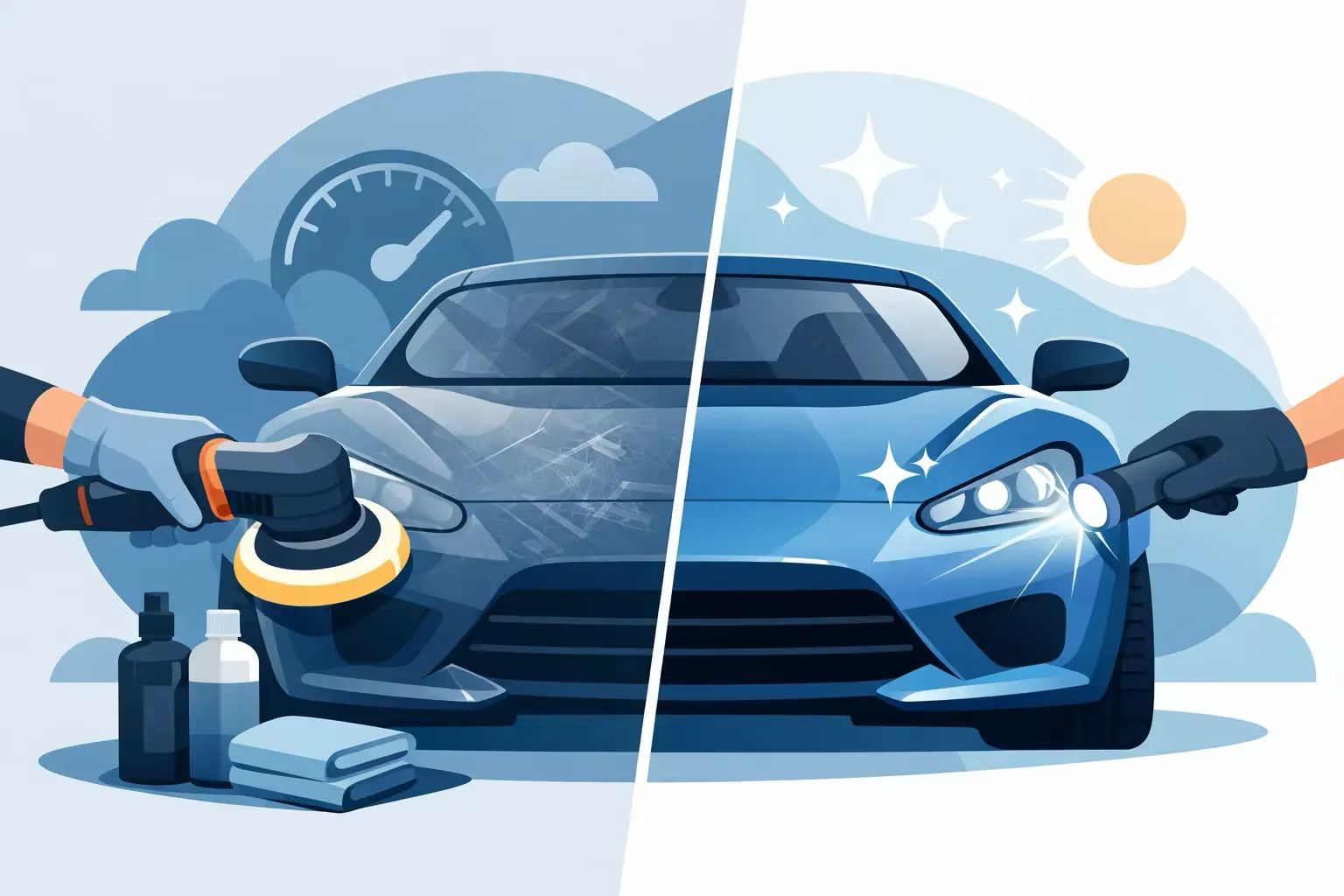
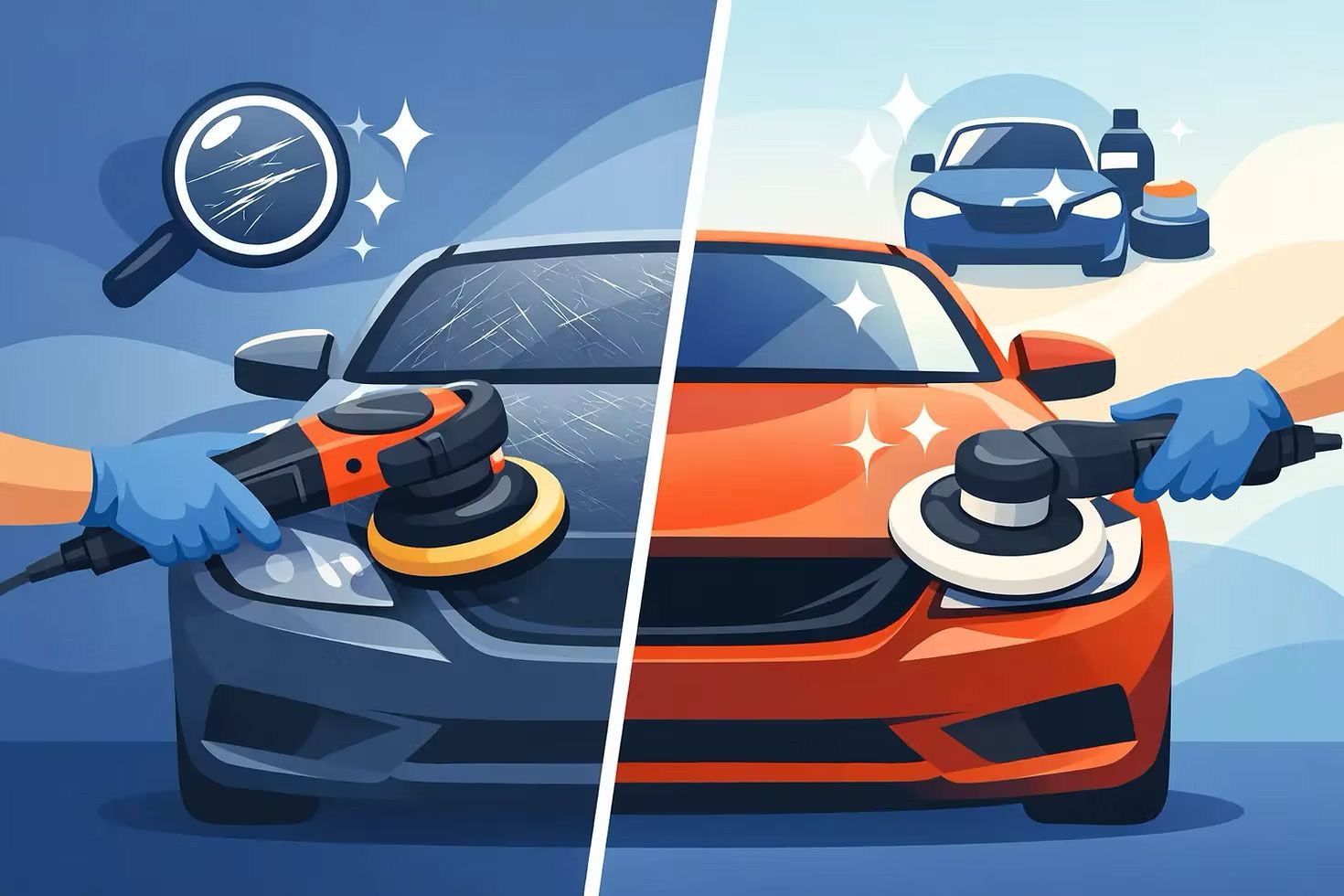
Not every vehicle needs the same level of work. A one-step correction usually combines defect removal and finishing gloss in a single polishing stage. It is a strong option for newer vehicles, well-maintained daily drivers, or owners who want a noticeable improvement without the time and cost of a deeper restoration.
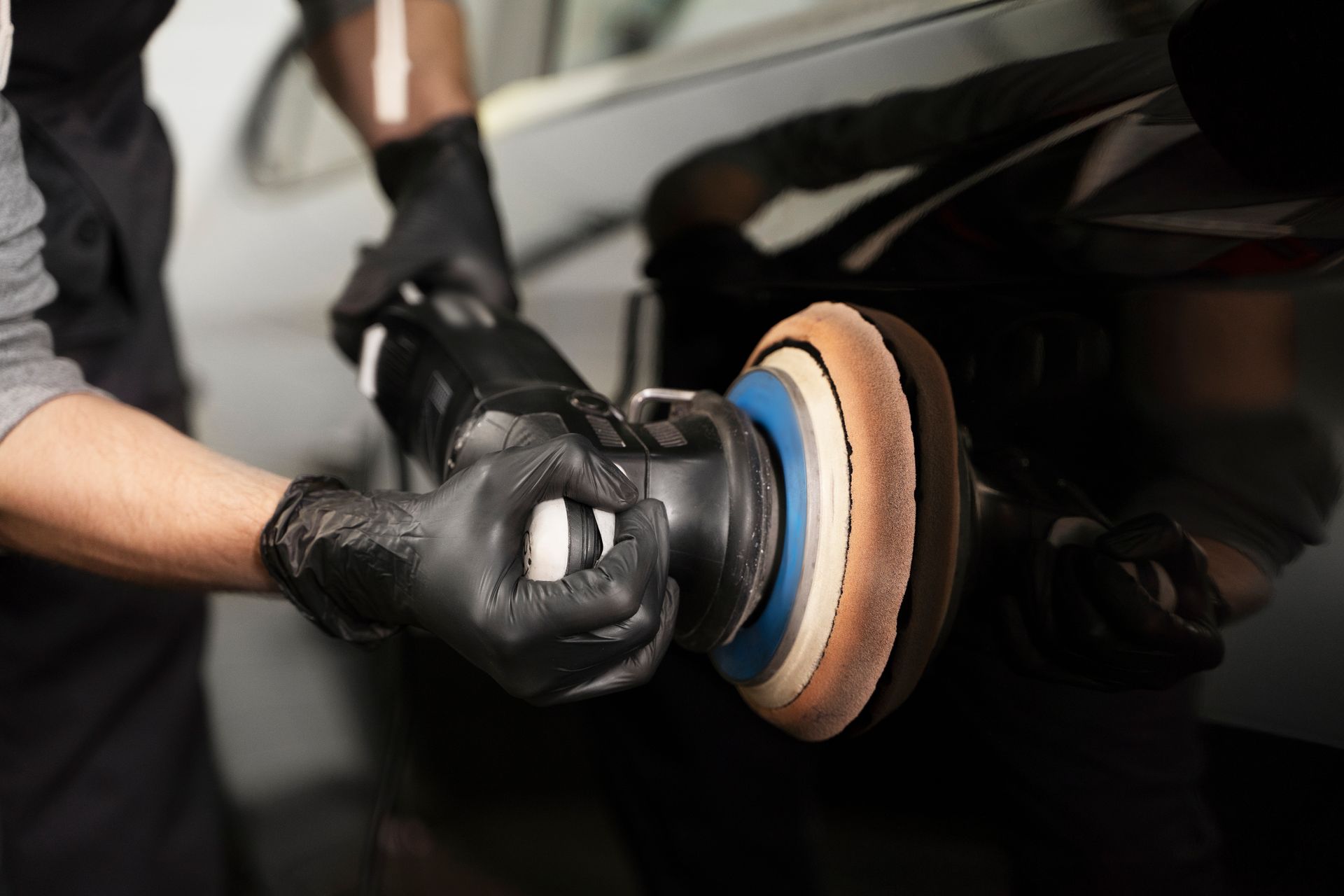
A two-step or multi-step correction uses a heavier cut first, then a refining polish afterward. This approach is better for darker colors, softer paints, and vehicles with heavier swirl marks, oxidation, or previous poor polishing work. It takes longer, but the finish can look dramatically sharper under direct lighting.
The right choice depends on paint condition, color, ownership goals, and budget. If the vehicle is about to receive a ceramic coating or PPF, it often makes sense to correct more thoroughly upfront rather than wish you had later.
The prep work most people never see
The visible shine gets the attention, but prep is where professional results are won or lost. Before polishing starts, the surface should be cleaned far beyond a standard hand wash. Iron fallout, tar, road film, and embedded contamination need to be removed so the polishing stage is working on paint, not debris.
Trim, edges, sensitive areas, and badges may need protection during the process. Lighting matters too. Defects that disappear in shade can become obvious under inspection lights or midday sun. Experienced technicians check the paint in multiple conditions because that is how you avoid delivering a car that looks good in the shop and disappointing outside.
This is also why specialty shops separate themselves from basic detail operations. Paint correction is technical work. It requires testing, patience, and consistency panel by panel.
Why correction before ceramic coating or PPF is worth it
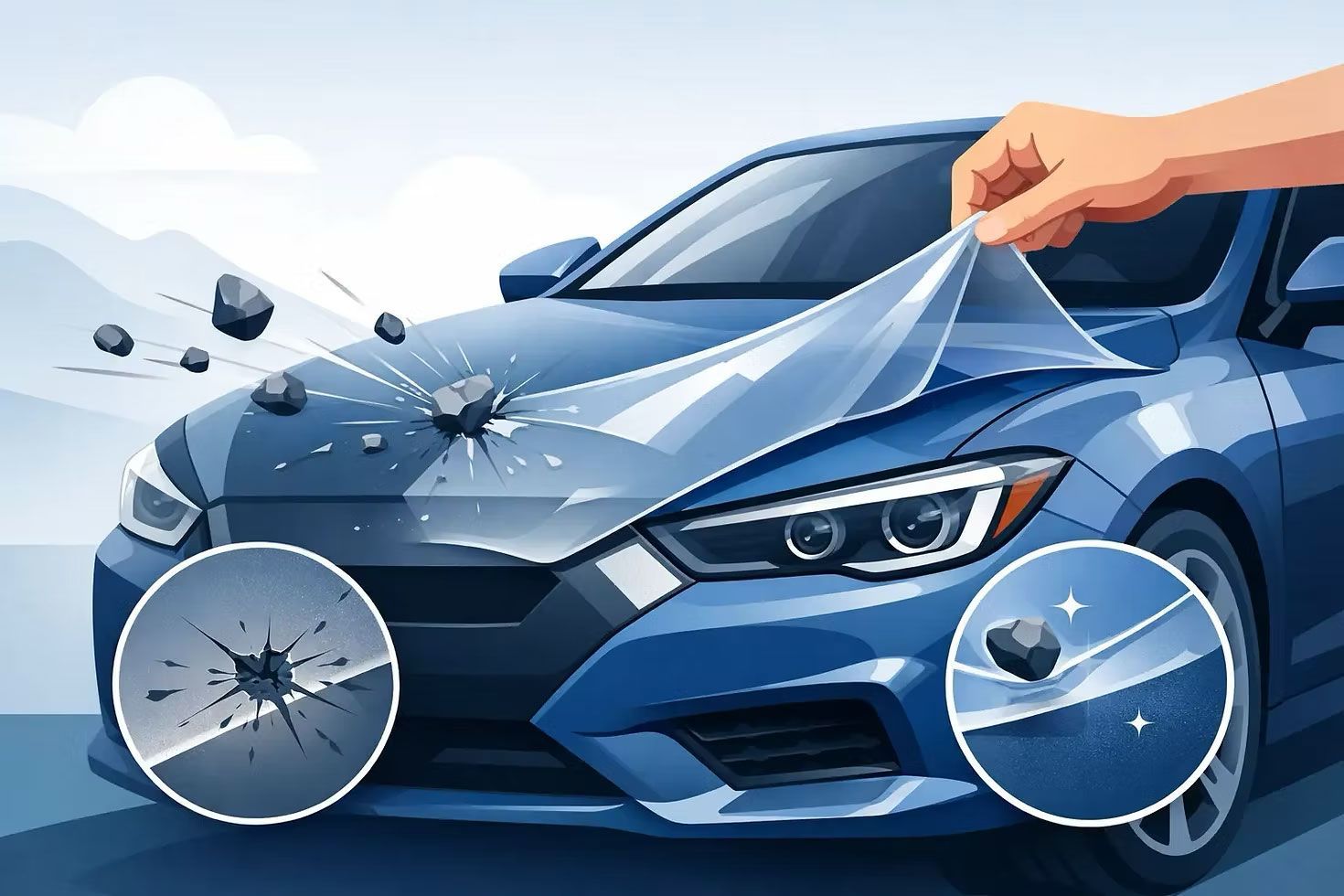
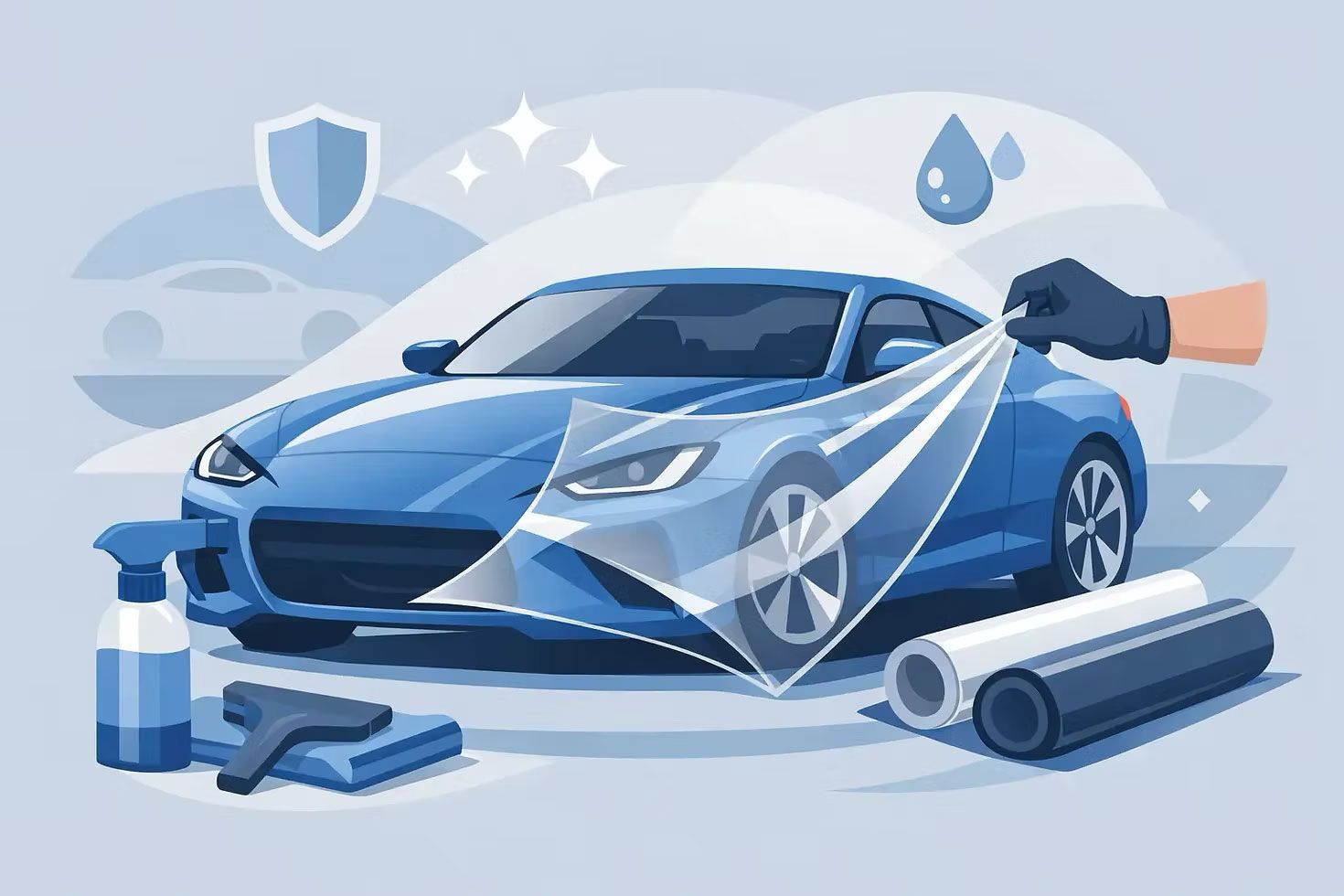
A coating adds gloss and makes maintenance easier, but it does not remove defects. PPF protects against rock chips and light surface abuse, but it does not magically erase swirl marks underneath. If the paint is not corrected first, those imperfections stay there.
That is why preparation is such a major part of premium appearance and protection work. Correct first, then protect. It is the cleaner, more durable way to approach the vehicle as a whole.
For newer vehicles, this step is especially valuable. Many owners assume a new car does not need polishing, but transport, dealership washing, and lot exposure often leave behind enough marring to justify at least a light correction. Starting fresh gives coatings and film a much better foundation.
How to tell if your vehicle needs paint correction
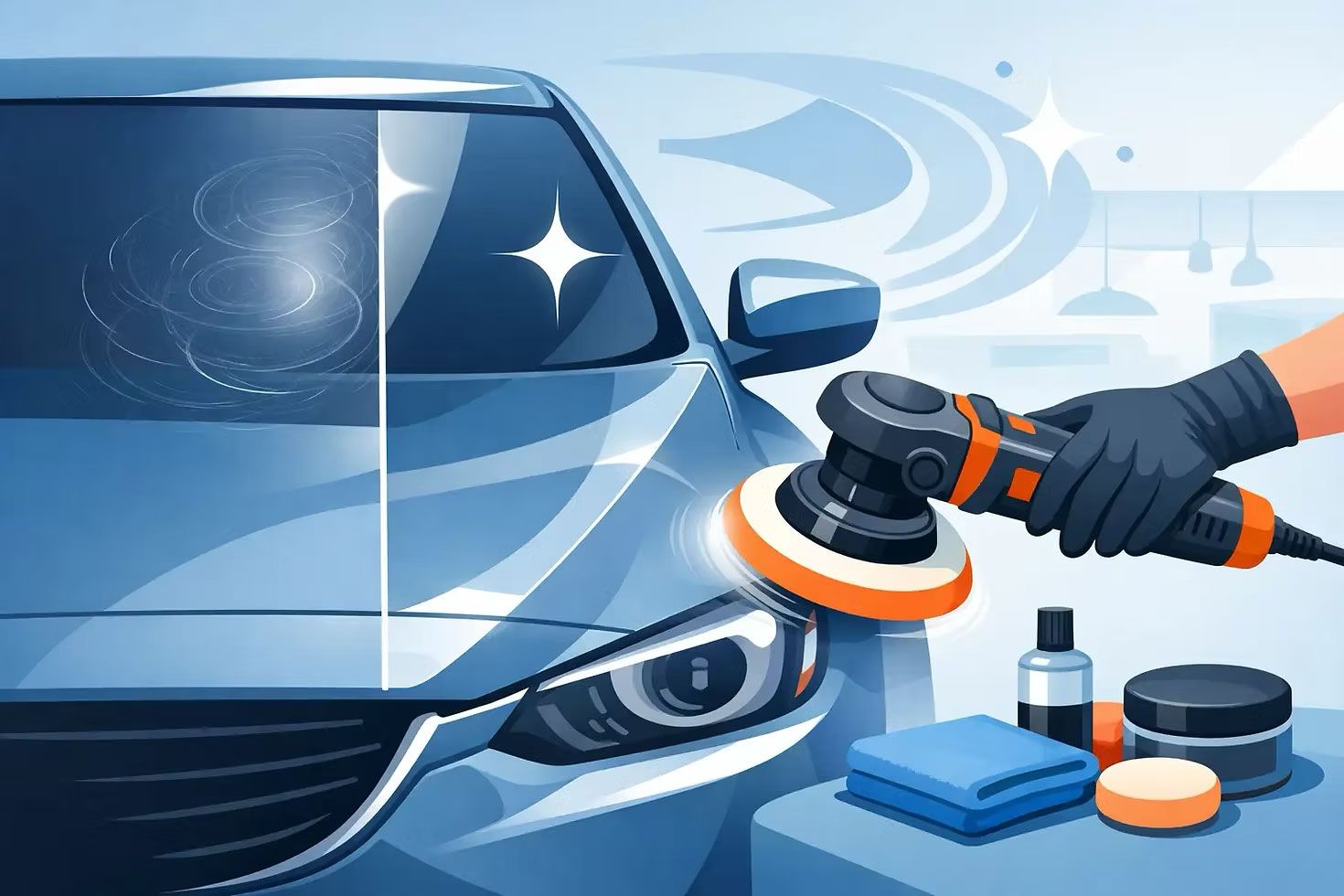
If you only inspect your paint in a garage, you may miss a lot. Pull the vehicle into direct sunlight and look at the hood, roof, and upper door panels. If you see spider-web patterns, random wash lines, cloudy reflection, or a lack of crispness in the finish, correction is worth considering.
Another sign is when the vehicle never seems to look fully clean, even right after a wash. That flat, tired look is often caused by surface defects scattering light. Once those defects are reduced, color depth and gloss usually return in a way wax alone cannot achieve.
Dark colors show the problem fastest, but white, silver, and gray paints are not immune. They simply hide damage better until oxidation, staining, or loss of gloss becomes more obvious.
Choosing the right shop for paint correction in San Antonio
You are not just paying for polishing time. You are paying for judgment. The right shop should be able to explain what level of correction your vehicle actually needs, what kind of improvement is realistic, and what protective option makes sense afterward.
Look for a team that treats paint correction as a precision service, not an add-on. Clear communication matters. So does a process that prioritizes inspection, proper prep, and realistic expectations. A specialist shop like JC Auto Salon builds results around that kind of discipline because appearance work only lasts when the foundation is right.
Price alone can be misleading here. Fast, cheap polishing can fill defects temporarily or leave behind holograms that show up later. True correction takes more time because it is based on measured improvement, not a rushed gloss boost.
When the process is done correctly, the vehicle does not just look better for a weekend. It looks sharper, cleaner, and more refined every time light hits the paint. And if you plan to protect it with coating or film, that corrected finish gives everything that follows a better starting point.
If your paint still looks tired after every wash, the answer may not be another product. It may be the right level of correction, done once, with the kind of care that respects both the finish and the vehicle behind it.