


Paint Protection Film (PPF) or Ceramic Coating?
- jcsautosalon
- May 9
- 6 min read
A black hood looks perfect for about five minutes on a Texas highway. Then come the dust, the bug splatter, the light wash marks, and if you are unlucky, the first rock chip. That is usually when the question gets real: paint protection film (PPF) or ceramic coating - which one actually makes sense for your vehicle?
The short answer is that they do different jobs. Both help protect your finish and keep a vehicle looking better longer, but they are not interchangeable. One is built to absorb physical impact. The other is built to improve surface performance, gloss, and maintenance. If you are deciding between them, the right choice depends less on hype and more on how you drive, what you expect, and how particular you are about your paint.
Paint protection film (PPF) or ceramic coating: what is the difference?
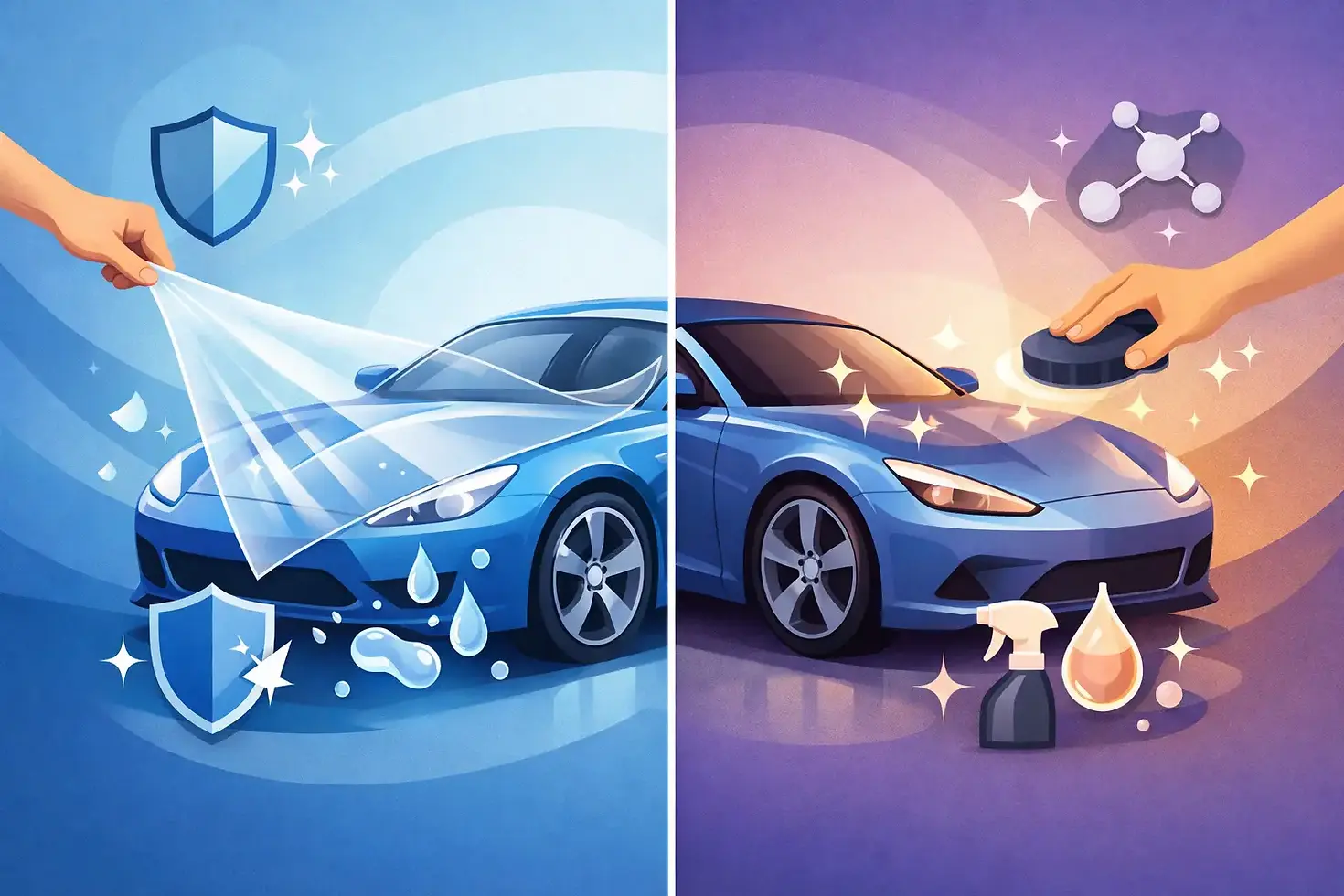
Paint protection film is a transparent urethane film applied over painted surfaces. Its main purpose is impact protection. It acts as a sacrificial layer between your factory paint and the road, helping reduce damage from rock chips, road debris, light scratches, and other everyday abuse. On high-impact areas like the front bumper, hood, fenders, mirrors, and rocker panels, that matters.
Ceramic coating is a liquid-applied protective layer that bonds to the paint surface. It is not a film and it does not provide the same chip resistance as PPF. What it does offer is strong hydrophobic behavior, improved gloss, chemical resistance, UV protection, and easier maintenance. Dirt releases faster, water beads more aggressively, and the surface stays cleaner with less effort.
That distinction is the whole decision. If your main concern is physical damage, PPF is the stronger answer. If your main concern is keeping the paint slick, glossy, and easier to wash, ceramic coating is often the better fit.
When PPF is the better choice
If you commute daily, drive highways often, or own a vehicle with soft paint or expensive panels, PPF deserves serious consideration. Front-end damage happens fast, especially in areas where construction zones, loose gravel, and road debris are common. Once a rock chip breaks through the paint, there is no coating that can undo it.
PPF is designed for those real-world hits. Quality film can self-heal from light swirls with heat, resist staining better than older films did, and preserve vulnerable sections of the vehicle that take the most abuse. For many owners, the best use of PPF is strategic rather than full-body. A partial front package, full front package, or coverage on high-wear zones can make far more sense than wrapping every panel.
There are trade-offs. PPF costs more than ceramic coating because the material is more expensive and installation is more labor-intensive. It also demands precise prep work. If the paint has defects before the film goes on, those defects can remain visible. Good installation is not just about laying film down. It starts with proper cleaning, decontamination, and often paint correction to get the surface ready.
PPF is also not invisible in the way many people imagine. High-end film looks excellent, but edges, seams, and pattern choices still matter. That is why craftsmanship matters so much with film installation.
When ceramic coating makes more sense
Ceramic coating is a great solution for owners who want a cleaner-looking vehicle with less maintenance and stronger resistance to environmental fallout. If you are tired of water spots baking onto the paint, grime sticking to the lower panels, or spending too much time washing, coating can make a noticeable difference.
It also enhances gloss in a way many owners love. On well-corrected paint, ceramic coating gives the finish a sharper, richer look. Dark colors tend to show that effect the most, but any color benefits from a more refined surface and stronger reflectivity.
Where some people get disappointed is assuming ceramic coating makes paint damage-proof. It does not. It can help reduce minor wash marring compared to unprotected paint, but it is not meant to stop a rock from chipping your bumper or a shopping cart from striking a door. That is not a coating failure. It is simply not what the product is for.
Ceramic coating also still requires maintenance. The vehicle will be easier to wash, not self-cleaning. If it is neglected, contaminated, or washed improperly, the finish can still lose performance over time. The best results come when the coating is installed on corrected paint and then maintained correctly afterward.
Paint protection film (PPF) or ceramic coating for daily drivers?
For most daily drivers, the answer is not always one or the other. It often comes down to where the wear happens. A vehicle that sees highway miles every day usually benefits most from PPF on the front end, because that is where physical damage starts. A vehicle that sits outside often, deals with sprinkler overspray, bird droppings, and intense sun may also benefit from ceramic coating for easier upkeep and better resistance to staining and oxidation.
If budget allows only one, think about what would bother you more six months from now. Chips across the front bumper and hood, or paint that is harder to keep clean and glossy? That is usually the clearest way to make the decision.
For trucks, SUVs, and performance cars, the balance often leans toward at least partial PPF because larger front profiles take more road abuse. For garage-kept weekend cars, ceramic coating can be enough if the vehicle is rarely exposed to heavy mileage or rough conditions.
Why prep work matters more than most people realize
A premium product installed over neglected paint will not create a premium result. This is where many protection jobs are won or lost.
Before film or coating goes on, the paint should be properly washed, chemically decontaminated, and inspected under the right lighting. If there are swirls, haze, oxidation, or dealership-installed defects, paint correction may be the step that makes the final result look dramatically better. Skipping that step to save time or money often means sealing in flaws instead of fixing them.
For ceramic coating, correction is especially important because the coating locks in the appearance of the surface beneath it. For PPF, prep still matters because contamination and defects can affect both the look and bond of the film. At a specialist shop, the protection product is only part of the service. Surface preparation is what makes the protection worth paying for.
The best option for many owners is both
If you want the strongest combination of protection and appearance, PPF and ceramic coating work well together. PPF handles impact-prone areas. Ceramic coating can then be applied over the film and the remaining painted surfaces to improve gloss, slickness, and washability.
That setup is common for owners who want long-term preservation without compromising the way the vehicle looks day to day. It is especially practical on newer vehicles, high-end trims, and enthusiast cars where resale condition and finish quality matter.
It is also the most complete answer for owners who are particular about details. Film protects where damage is most likely. Coating simplifies maintenance across the rest of the vehicle. You are not forcing one product to do a job it was never designed to do.
How to decide without overcomplicating it
Start with your driving habits. If your vehicle spends a lot of time on highways, PPF should be high on the list. If your biggest frustration is keeping the paint clean and glossy, ceramic coating may deliver more immediate value.
Next, consider the vehicle itself. Brand-new paint, dark colors, soft finishes, and premium vehicles usually justify more protection up front. Then think about ownership timeline. If you plan to keep the vehicle for years, preventative protection tends to make more financial sense than correcting damage later.
Finally, be honest about expectations. If you want the strongest defense against chips, choose film. If you want better shine and easier washing, choose coating. If you want both benefits, combine them.
A good shop should not push a one-size-fits-all package. The right recommendation should match the way you actually use your vehicle, the condition of the paint, and the level of finish you expect. That is how protection stops being a sales pitch and starts becoming a smart investment.
If you are still weighing paint protection film (PPF) or ceramic coating, the best next step is not guessing from product claims. It is having the paint inspected, the risks pointed out clearly, and the solution built around your vehicle rather than someone else’s package.


Comments