Can PPF Stop Rock Chips? What to Expect
A fresh front bumper can take a beating faster than most owners expect. One highway drive behind a gravel truck, one stretch of construction zone, and suddenly the question becomes very real: can PPF stop rock chips, or is it just another cosmetic upgrade with a nice sales pitch?
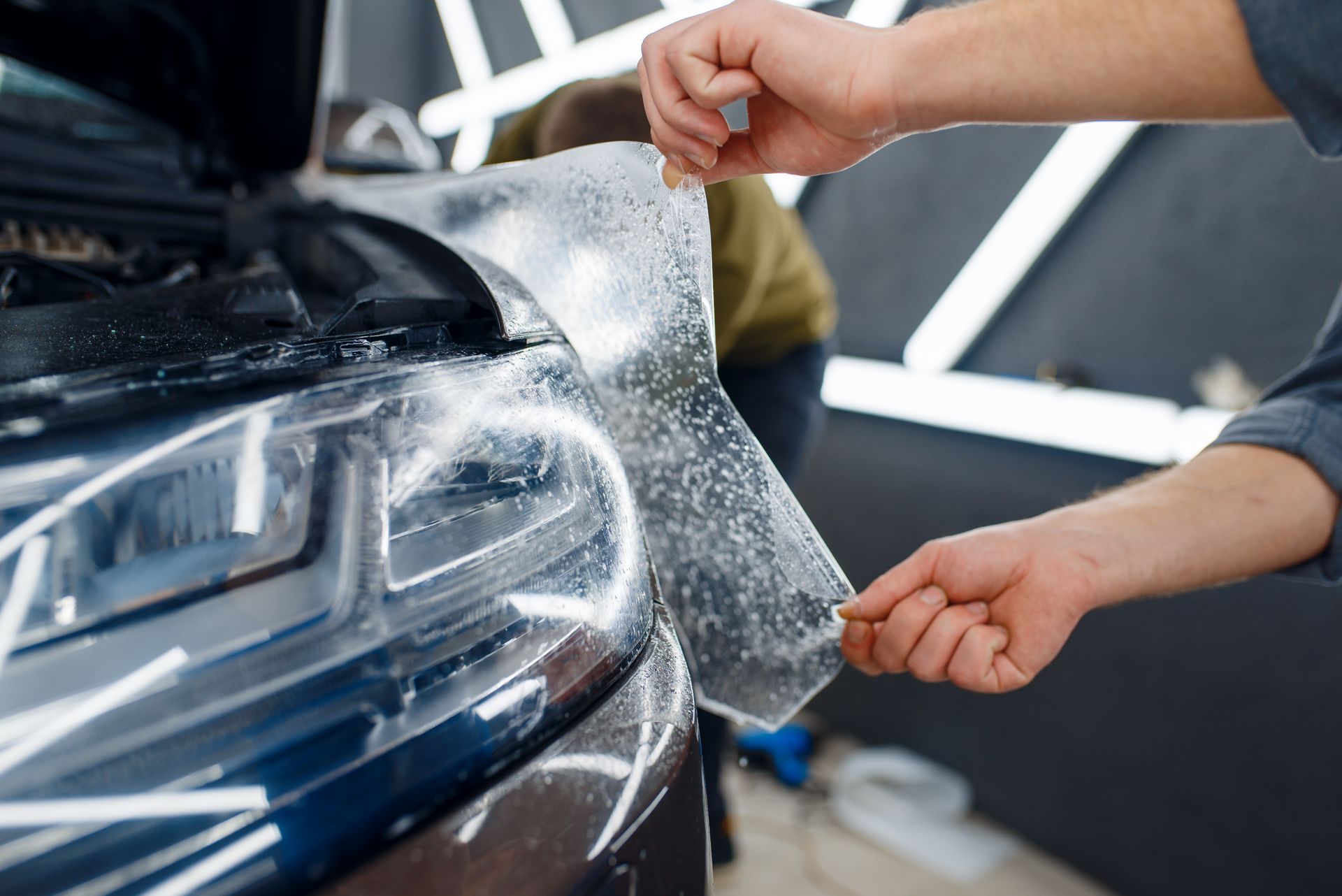
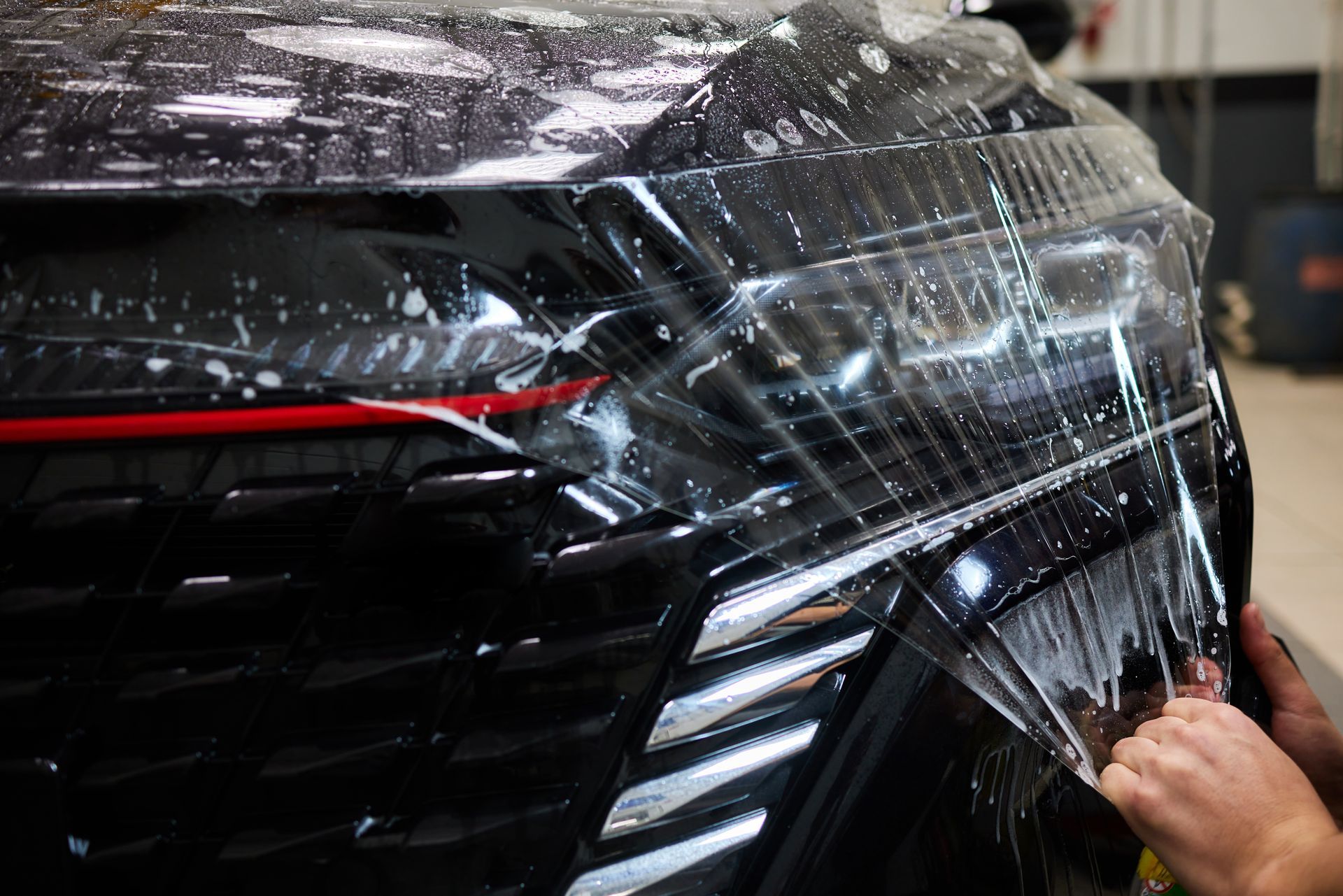
The honest answer is yes, paint protection film can stop many rock chips, and it is one of the best ways to reduce impact damage on painted surfaces. But it is not magic. PPF is a sacrificial layer designed to absorb abuse that would otherwise hit your paint directly. It dramatically lowers the odds of chips, pitting, and surface damage, especially on high-impact areas like the hood, bumper, fenders, mirrors, and rocker panels. What it cannot do is guarantee that every rock, at every speed, from every angle, leaves your vehicle untouched.
That distinction matters because expectations are everything with protection products. When PPF is explained correctly and installed with precision, it is one of the smartest upgrades you can make for a daily driver, truck, performance car, or new vehicle you want to keep looking right.
Can PPF stop rock chips in real-world driving?
In real-world conditions, PPF does an excellent job against common road debris. Small stones, grit, sand, and light-to-moderate impacts often hit the film instead of the paint, which means the energy gets dispersed through the film rather than concentrated directly on the clear coat and color layer.
That is the core benefit. PPF is not there to make your front end invincible. It is there to take the hit first.
On normal city driving and highway miles, that makes a major difference. Areas that would usually collect scattered chips over time can stay noticeably cleaner and better preserved. For drivers who spend time on Texas highways, where road construction and loose debris are part of the routine, that protection becomes even more valuable.
The better question is not whether PPF helps. It absolutely does. The better question is how much protection you need, and where.
What PPF actually protects against
Rock chips get the most attention, but film helps with more than one type of damage. It acts as a barrier against road rash, bug acids, light abrasion, and general wear from everyday driving. On the front end of a vehicle, those issues tend to stack up fast.
Without film, repeated minor impacts slowly wear down the finish. You may not notice it after one week, but after a year or two, the difference is obvious. The nose of the vehicle starts to look older than the rest. That is usually where owners wish they had protected it earlier.
A quality PPF installation can help preserve:
- Front bumpers
- Hood leading edges or full hoods
- Front fenders
- Side mirrors
- Headlights
- Rocker panels behind the wheels
Rear wheel impact areas on wider-body vehicles or trucks
Coverage matters because not every part of a vehicle gets hit the same way. A full front package protects the areas that take the most abuse. Partial coverage costs less, but it also leaves transition lines and exposed paint in surrounding impact zones.
Why some rock chips still happen
This is where the sales talk usually gets too simple. PPF reduces damage, but several factors affect whether a chip still gets through.
Speed is a big one. A tiny stone at neighborhood speed is very different from sharp debris kicked up at 75 mph. Size and shape matter too. Rounded grit is less aggressive than a jagged rock with a hard edge. Impact angle also changes the result. A glancing hit may leave nothing. A direct strike with enough force can still damage the film or, in extreme cases, push through to the paint.
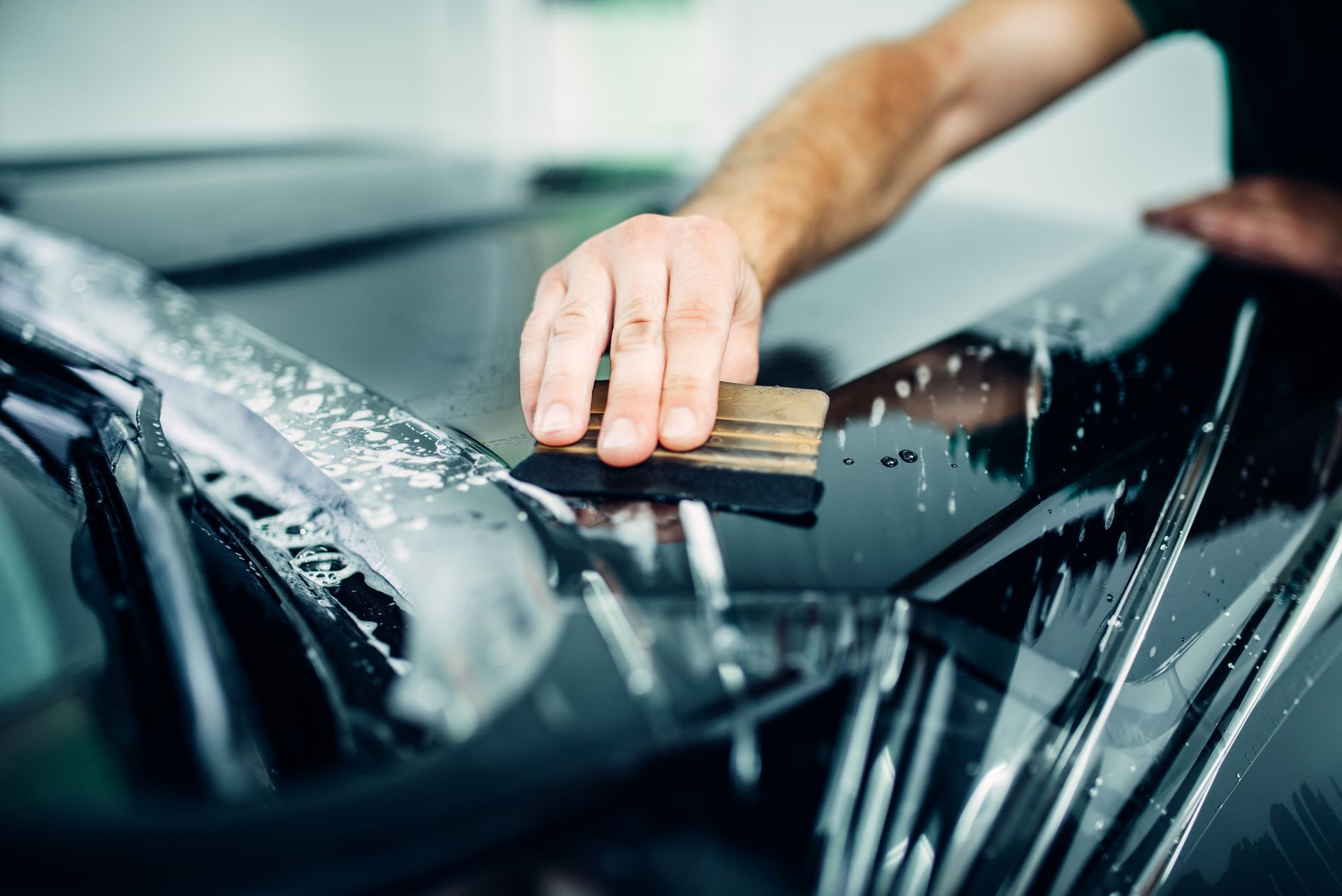
Film thickness and film quality matter as well. Premium films are engineered to absorb impact better, resist yellowing, and maintain clarity over time. Installation quality matters just as much. If film is poorly fitted, overstretched, or installed over paint that was not properly prepped, the result will never perform the way it should.
That is why a specialist shop focuses on more than just laying film on the panel. Surface prep, paint correction when needed, edge work, alignment, and clean installation all affect the final outcome.
Is PPF worth it just for rock chip prevention?
For many owners, yes.
If you drive regularly on highways, commute daily, own a newer vehicle, or care about preserving resale value, PPF often pays for itself in avoided paint damage and repaint headaches. Repainting a bumper or hood may sound like a simple fix, but color match, texture, overspray risk, downtime, and reduced originality all come into play.
Factory paint is worth protecting. Once it is chipped up, every repair becomes a compromise of some kind.
PPF makes the most sense for people who notice the details. If chips on the front end are going to bother you every time you wash the vehicle, then prevention is usually the better route. If you treat your vehicle more like a tool and do not mind cosmetic wear, the value equation may feel different.
It depends on your standards, your mileage, and how long you plan to keep the vehicle.