What kind of difference should you expect?
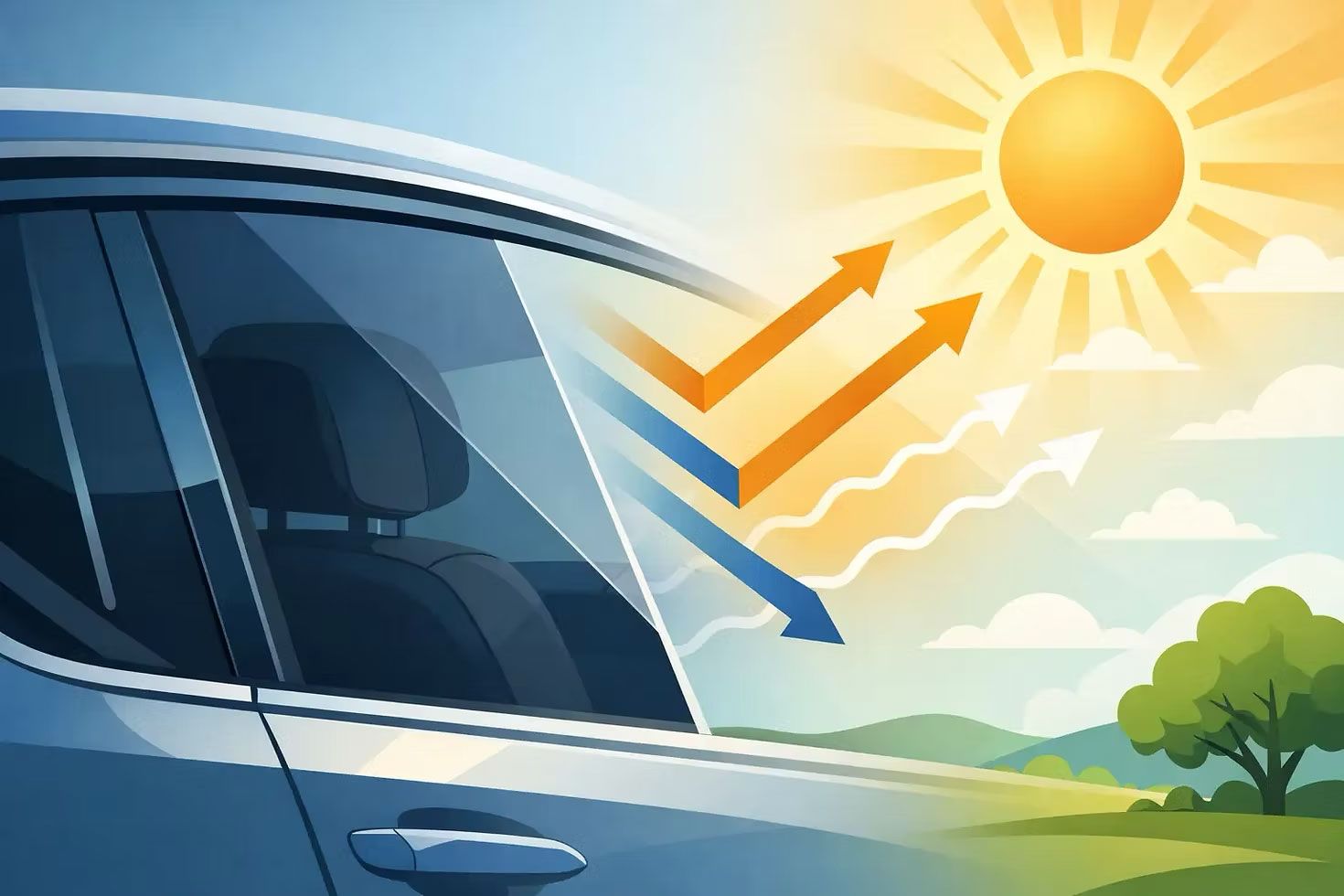
The honest answer is noticeable, not magical. You may not open the door after hours in direct sun and feel cool air waiting for you. What you are more likely to notice is that the cabin is less punishing, the seats and steering wheel are less extreme, and the AC does not have to work as hard to bring the interior back down to a comfortable temperature.
Most drivers also notice reduced glare almost immediately. That can make daytime driving easier on the eyes, especially in bright Texas conditions where sun angles can be harsh in the morning and late afternoon. Less glare often makes the vehicle feel more comfortable overall, even beyond the temperature difference.
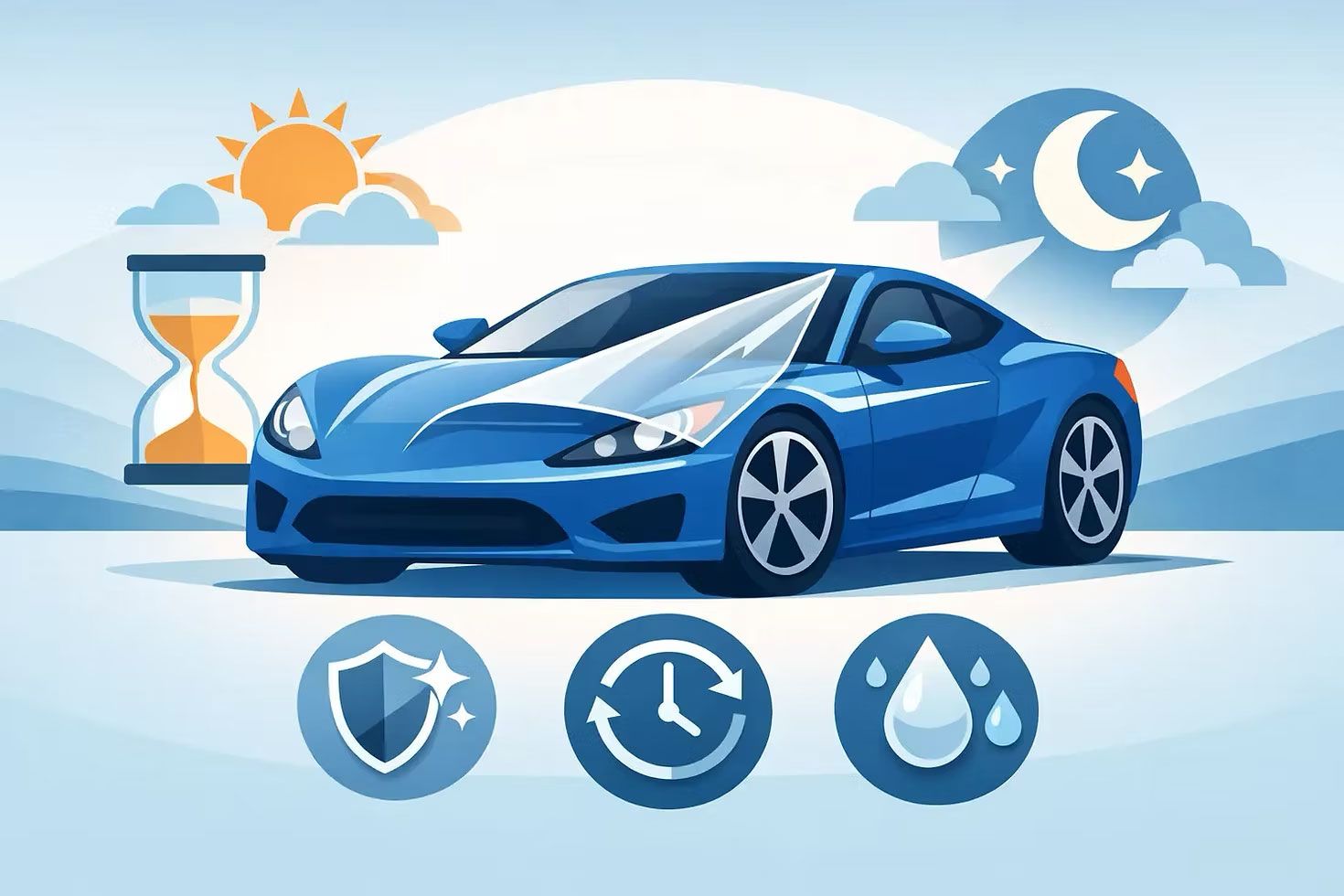
Over time, there is another benefit that matters just as much as heat reduction: interior preservation. Dashboards, trim, leather, vinyl, and plastics all take a beating from UV exposure and heat cycling. Quality tint helps slow that wear. If you care about keeping your vehicle in strong condition, that is part of the value.
The biggest mistake people make when choosing tint
A lot of drivers focus almost entirely on how dark they want the windows to look. That is understandable, because appearance is part of the appeal. But if heat rejection is the goal, performance specs should lead the conversation.
This is where cheap tint often disappoints. Lower-grade dyed film may create the look people want, but it does far less to reject the heat that actually makes the cabin uncomfortable. It can also age poorly, bubble, peel, or shift in color. What looked like a bargain up front can become a redo later.
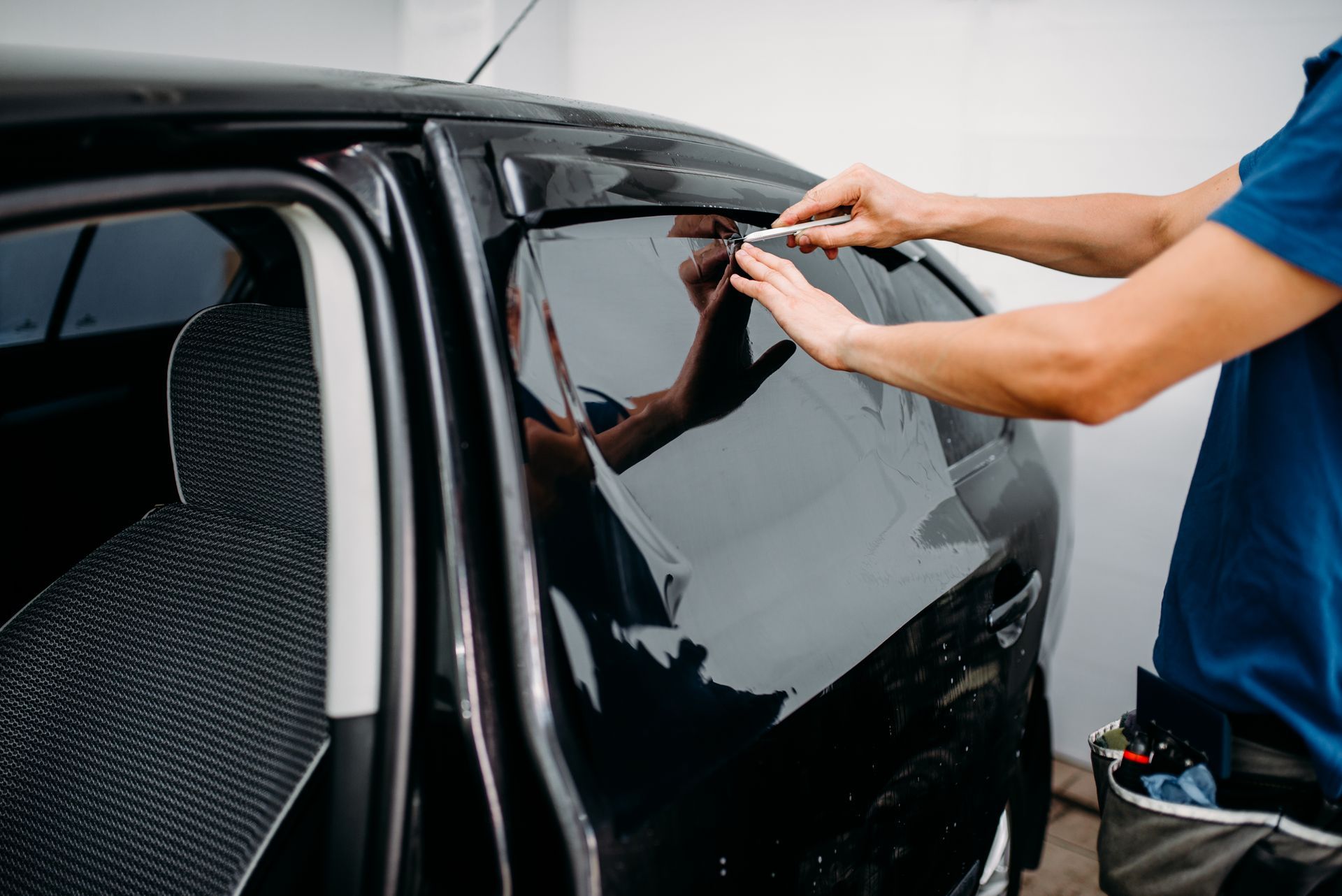
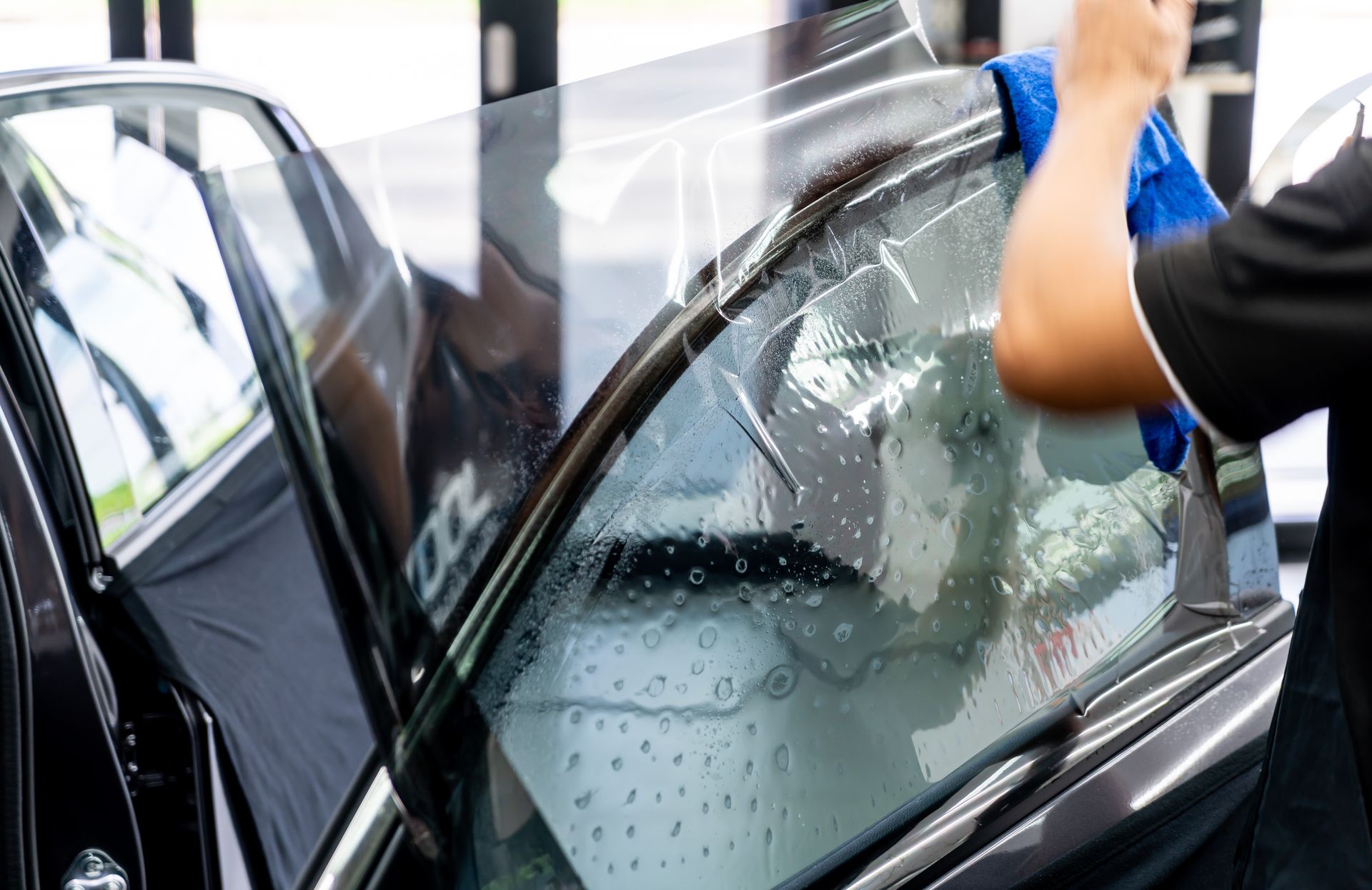
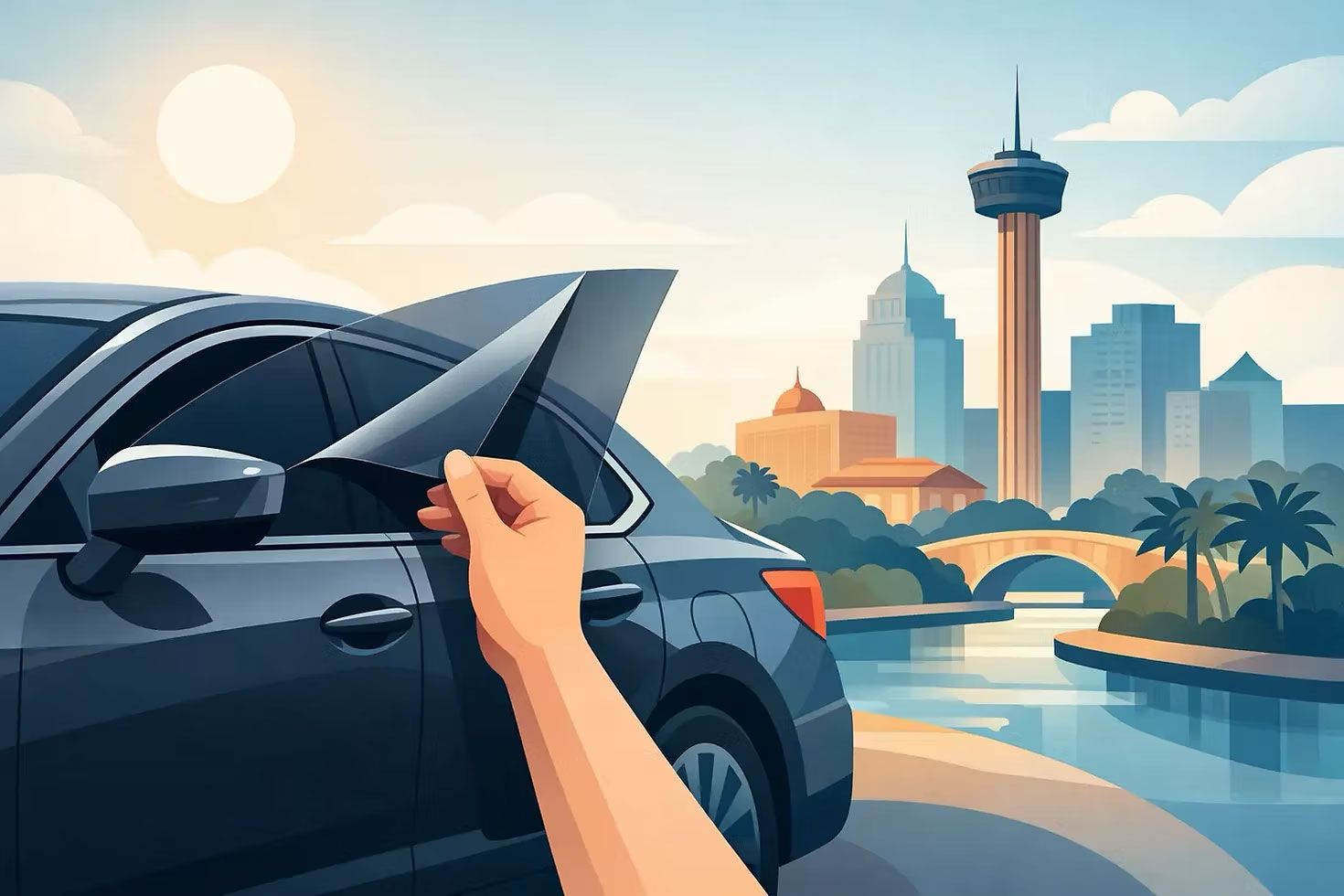
A proper installation also matters more than people realize. Even the best film needs careful prep, clean glass, precision cutting, and skilled application to perform and look right. Poor install quality can leave contamination, edge issues, or premature failure. On a high-visibility part of the vehicle like the glass, those details show.
Windshield tint and full-vehicle coverage
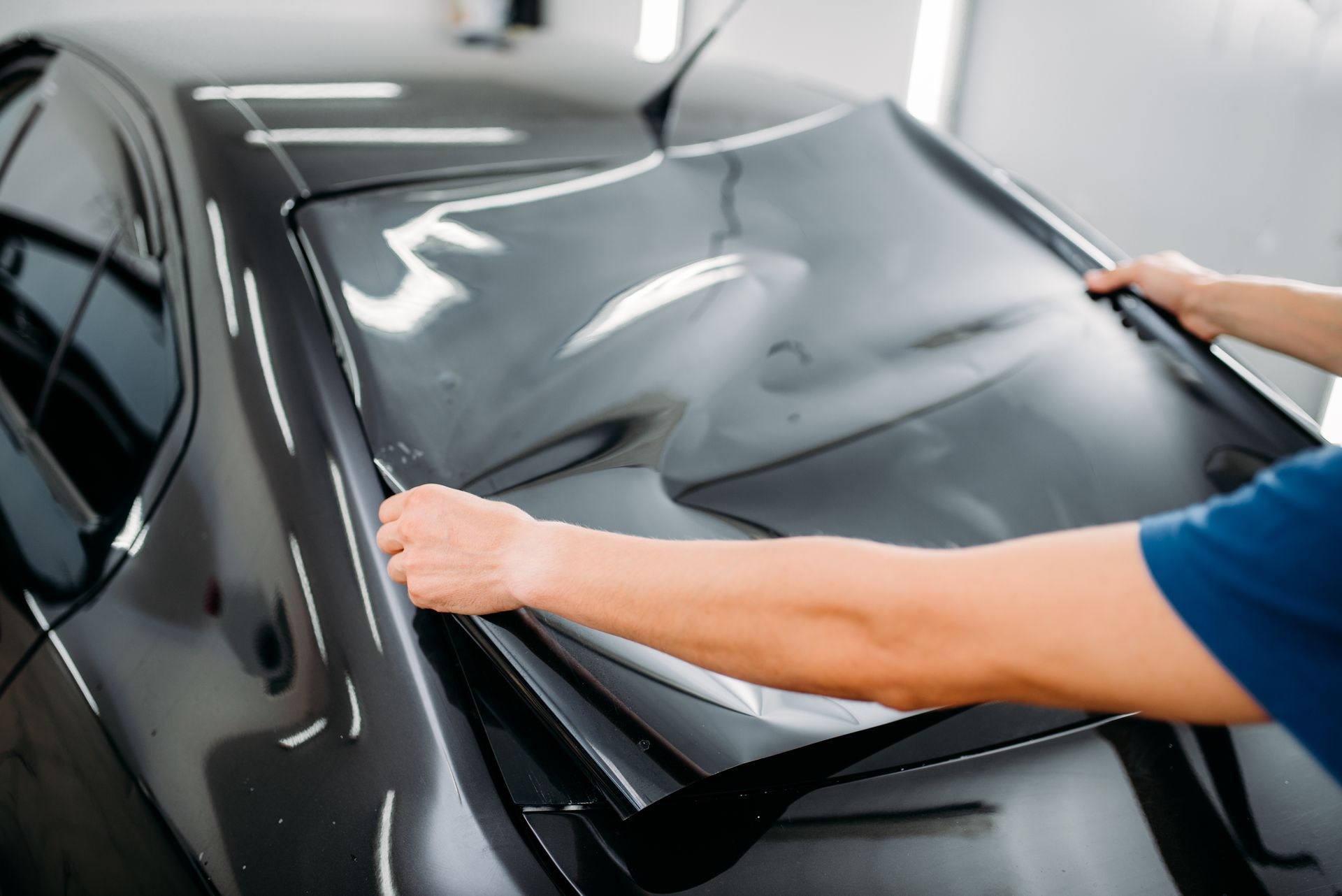
If someone asks does window tint reduce heat, the answer gets stronger when the windshield is part of the plan. The windshield allows a tremendous amount of solar energy into the cabin, which is why many drivers still feel a hot interior even after tinting only the side and rear glass.
A clear or very light-performance windshield film can make a meaningful difference without creating a dark appearance. This is often one of the most effective ways to improve comfort while keeping visibility a priority. It is also why a full-vehicle tint package tends to deliver a better real-world result than treating only part of the glass.
Of course, legal limits matter. Window tint laws vary by glass location and darkness level, so the right setup should balance performance, visibility, and compliance. A professional shop should walk you through those options clearly instead of pushing a one-size-fits-all recommendation.
Is window tint worth it for heat alone?
For many drivers, yes. If your vehicle sits outside regularly, if you spend a lot of time on the road, or if you simply want the cabin to feel less harsh in summer, quality tint is one of the most useful comfort upgrades you can make. It works every day, asks nothing from you after installation, and supports both interior protection and driving comfort.
The value gets even better when you factor in the secondary benefits. Less glare, more privacy, reduced UV exposure, and a more finished look all come with the right film. That combination is why professional tint remains one of the most practical services for daily drivers and enthusiast vehicles alike.
For San Antonio drivers especially, heat is not an occasional inconvenience. It is part of owning a vehicle here. Choosing a high-quality ceramic film installed with precision is how you get a result that looks right, performs consistently, and holds up over time.
If you are considering tint mainly for heat reduction, focus less on the darkest shade and more on the film quality and the installer behind it. The best result is not just a darker window. It is a cooler, more comfortable cabin and a vehicle that feels better protected every time you get in.