How to Fix Swirl Marks the Right Way
You usually notice swirl marks at the worst time - right after a wash, under direct sun, or when the paint should look its best. If you're wondering how to fix swirl marks, the short answer is this: some can be reduced with the right polishing process, but the real result depends on how deep the damage goes and how carefully the paint is corrected.
Swirl marks are not dirt sitting on top of the paint. They are fine scratches in the clear coat, often caused by improper washing, automatic car washes, dirty towels, or aggressive wiping. Dark-colored vehicles show them most, but every paint color can develop them. The reason they are so frustrating is simple - they scatter light, which kills gloss and makes the finish look tired even when the vehicle is clean.
What swirl marks really are
A lot of owners use the term for any paint defect, but swirl marks are typically shallow, circular micro-scratches in the clear coat. They often come from repeated contact with contaminated wash mitts, stiff brushes, drying towels, or poor wash techniques. What looks like a polishing issue is often a maintenance issue that built up over time.
That matters because fixing them is not the same as covering them up. Some products fill defects temporarily, which can make the paint look better for a few days or weeks. True correction removes or levels the surrounding clear coat enough to reduce or eliminate the appearance of the scratches. That is where technique matters.
How to fix swirl marks without making them worse
The biggest mistake people make is jumping straight to an abrasive product without properly cleaning the surface first. If contamination is still on the paint, polishing can drag that debris across the finish and add more marring.
Start with a careful wash using quality wash media and a pH-balanced soap. Rinse thoroughly, then decontaminate the paint if needed. If the surface feels rough, bonded contaminants are still present. A clay treatment or chemical decontamination may be necessary before any correction work begins.
Once the surface is clean, inspect the paint in good lighting. This step tells you whether you're dealing with light wash marring or deeper defects that need machine polishing. If the swirls are only visible under harsh lighting and you cannot feel anything with a fingernail, they are usually in the clear coat and may respond well to polishing.
Start with the least aggressive method
This is where good correction work separates itself from guesswork. The goal is not to remove as much clear coat as possible. The goal is to preserve the paint while improving the finish.
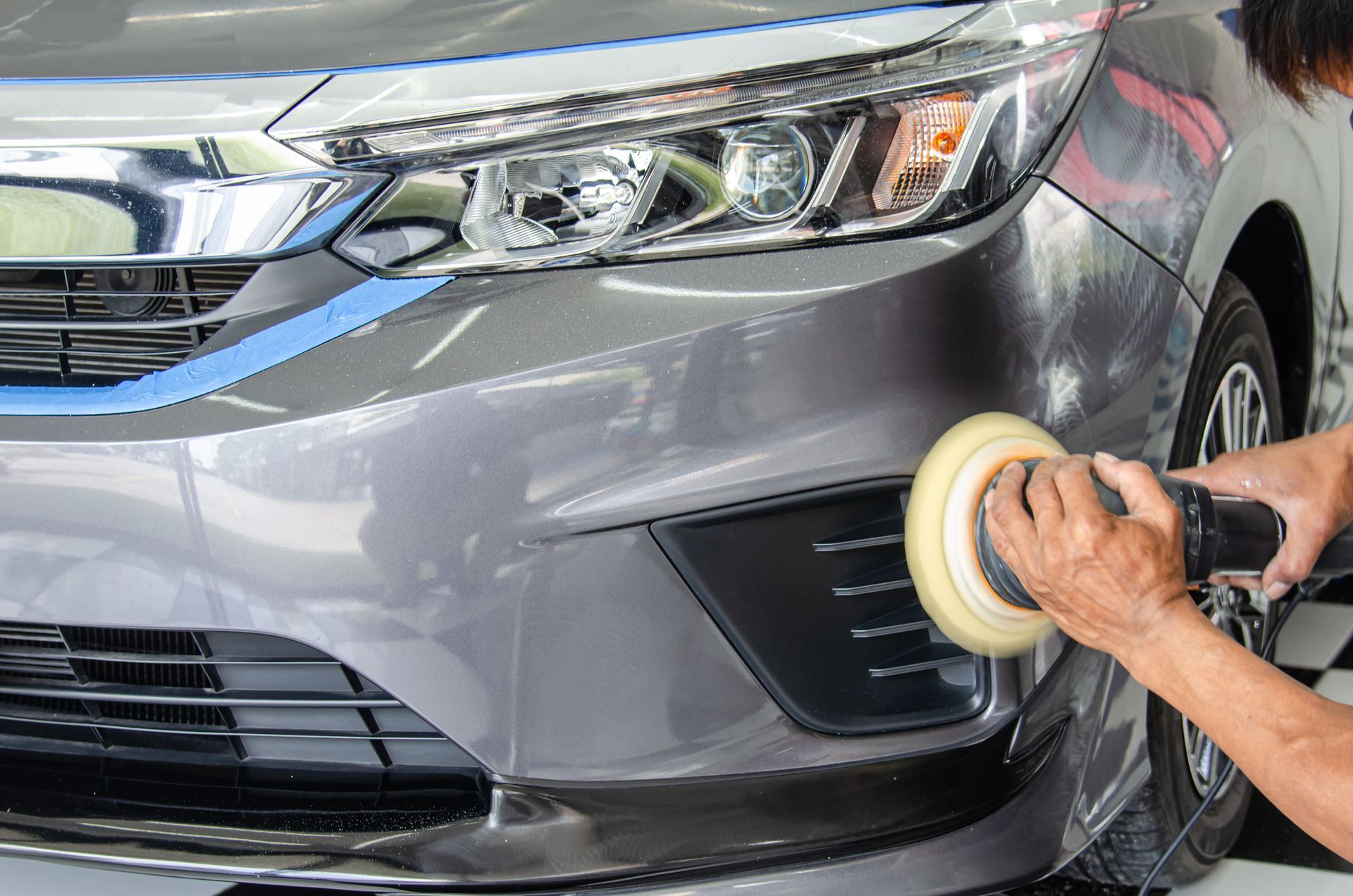
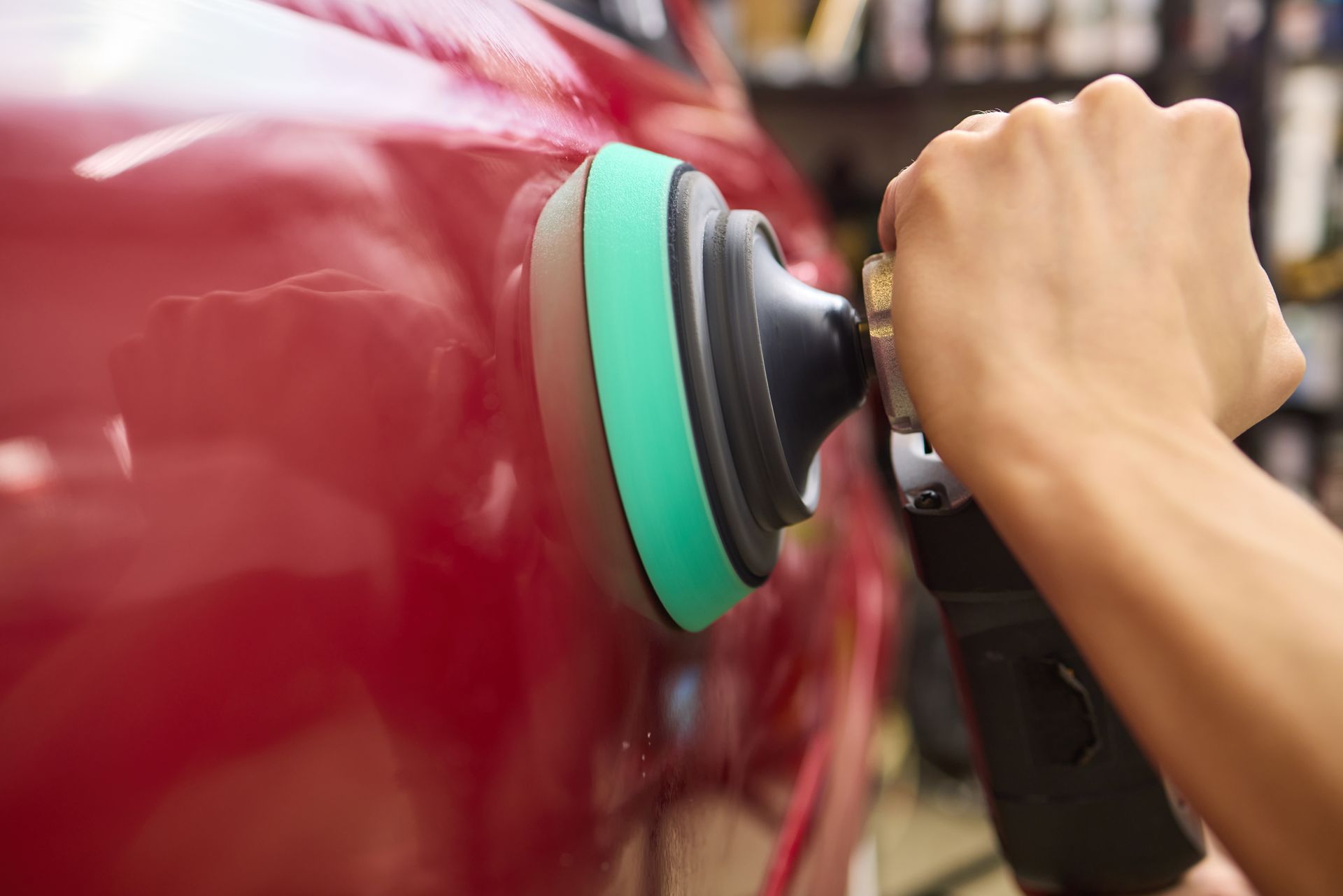
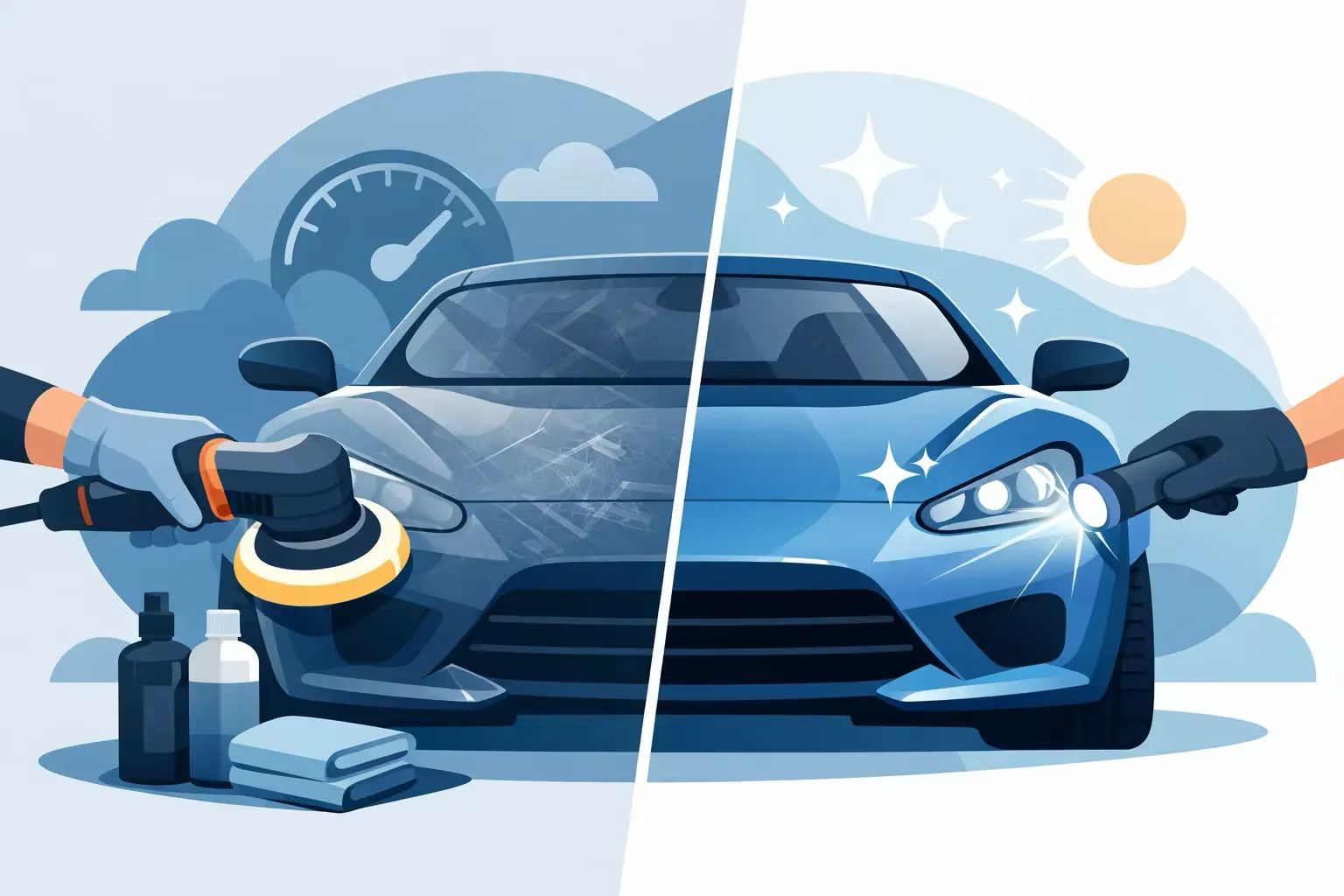
For light swirl marks, a finishing polish with a soft foam pad may be enough. If the defects are heavier, a cutting polish or compound with a more aggressive pad might be required first, followed by a refining step to restore clarity and gloss. It depends on the paint system, the color, the age of the vehicle, and how much prior correction the car has already had.
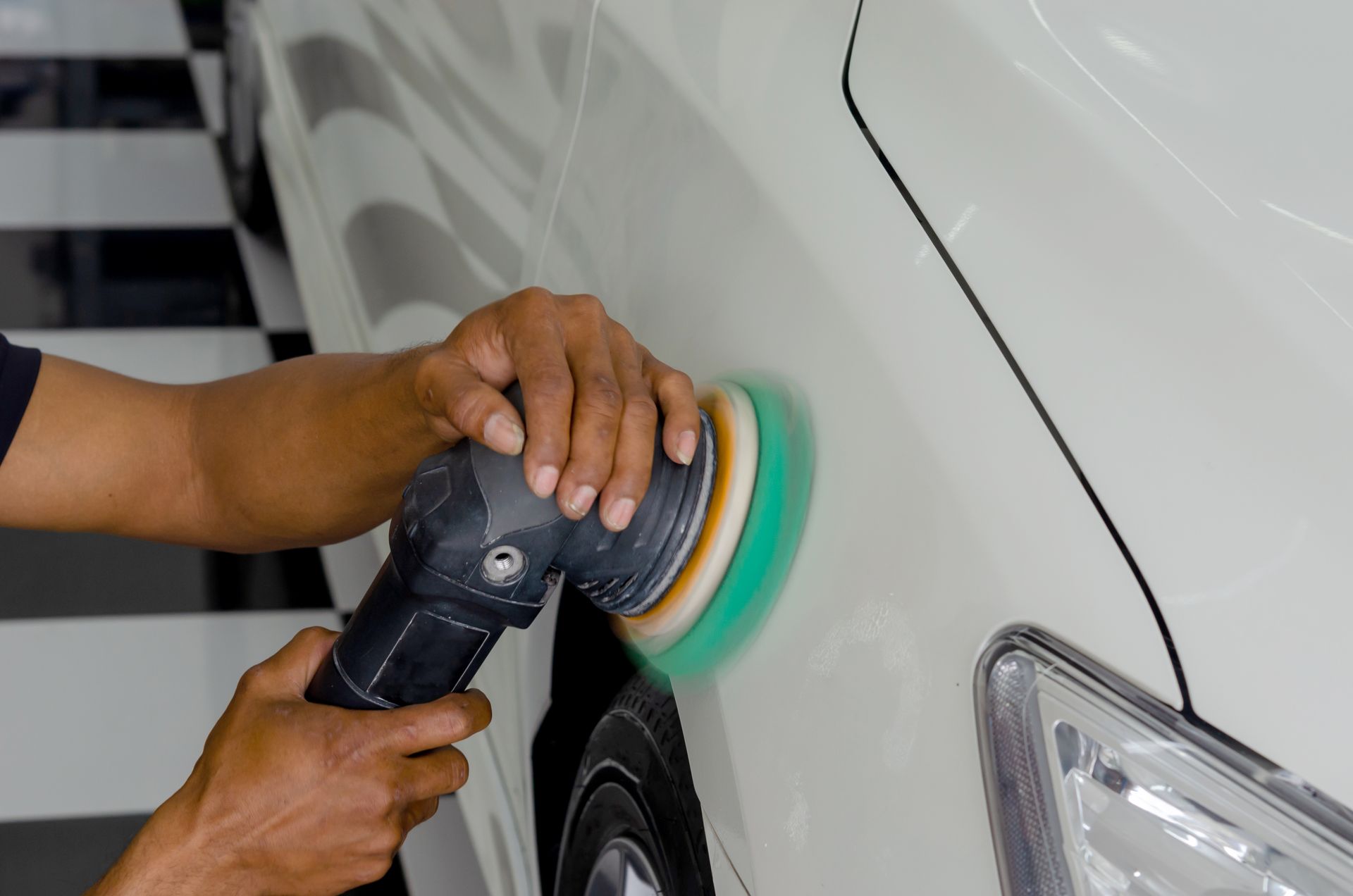
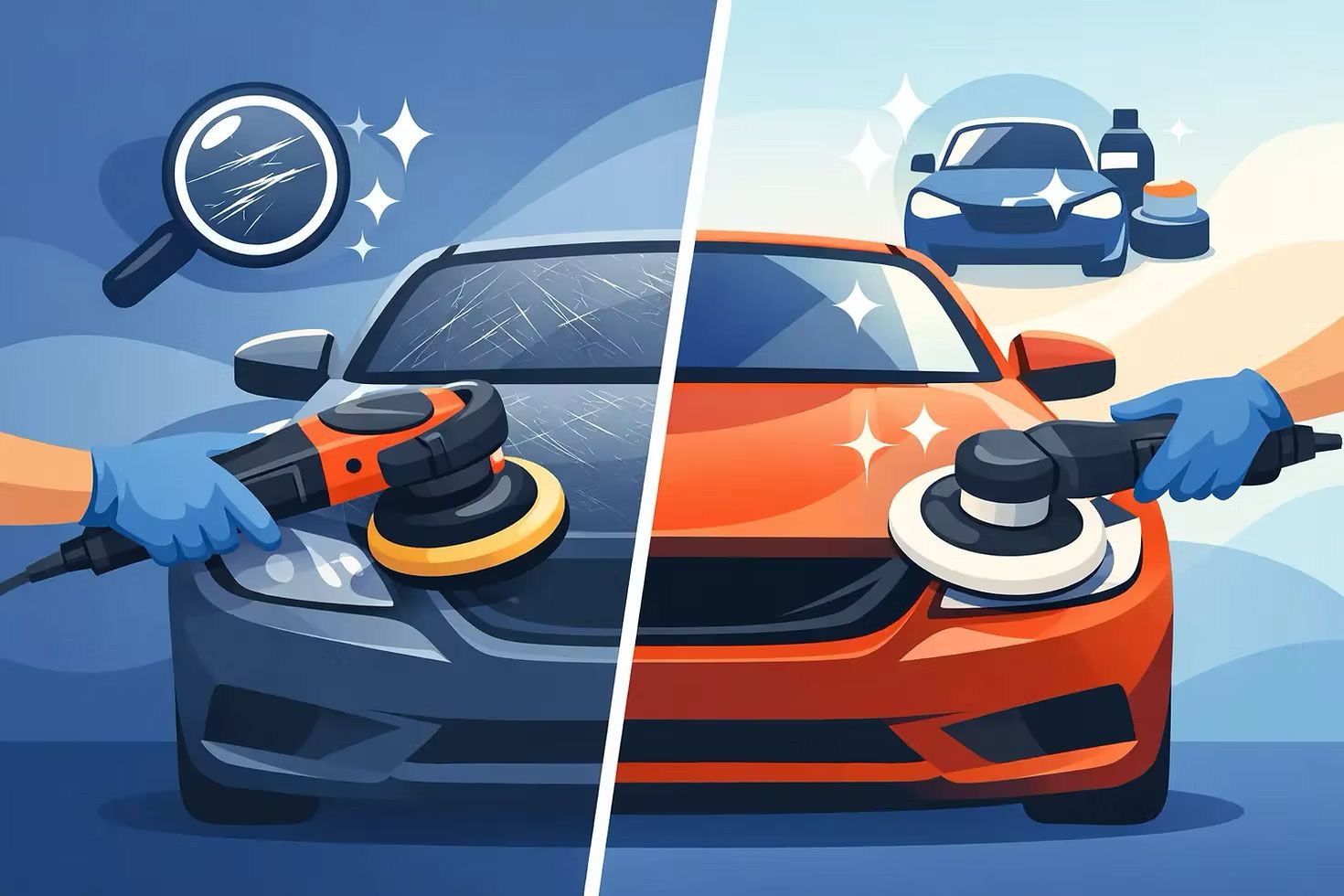
Hand polishing can improve very minor defects, but it has limits. Most swirl marks that are noticeable in sunlight need machine polishing for a consistent result. A dual-action polisher is generally the safer option for beginners because it reduces the risk of burning edges or creating uneven correction.
Test before correcting the whole vehicle
A test spot saves time and protects the finish. Correct a small section first using the least aggressive pad and polish combination you think might work. Wipe the area clean and inspect it under direct light.
If the defects remain, step up gradually. If the section looks clear and glossy, you have your process. This approach prevents over-correcting the entire vehicle and helps avoid unnecessary removal of clear coat.
When swirl marks need professional paint correction
Not every vehicle should be treated like a weekend DIY project. Some paint is soft and marks easily. Some is hard and requires more cutting power. Some vehicles have already been polished before, which means clear coat thickness may be limited.
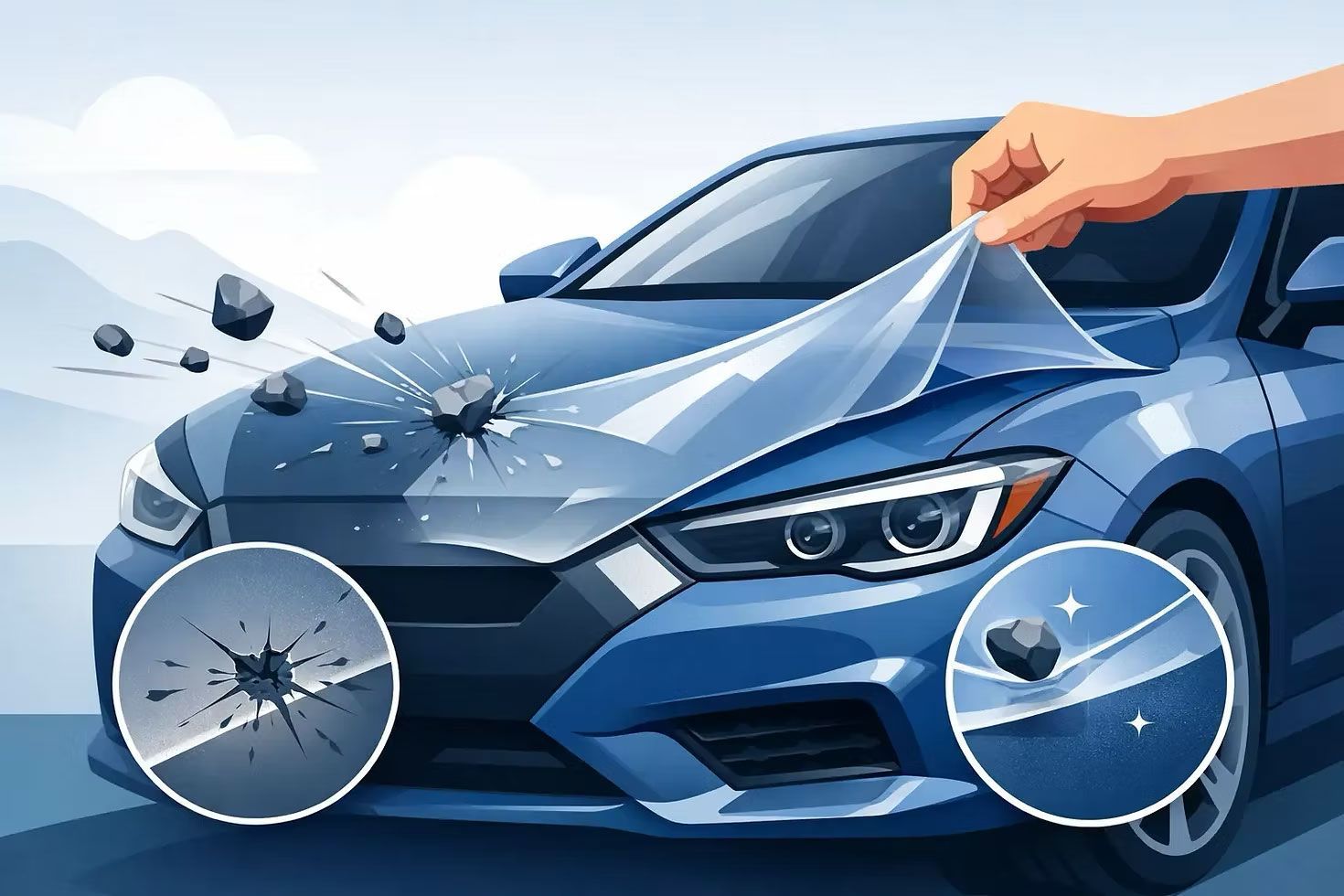
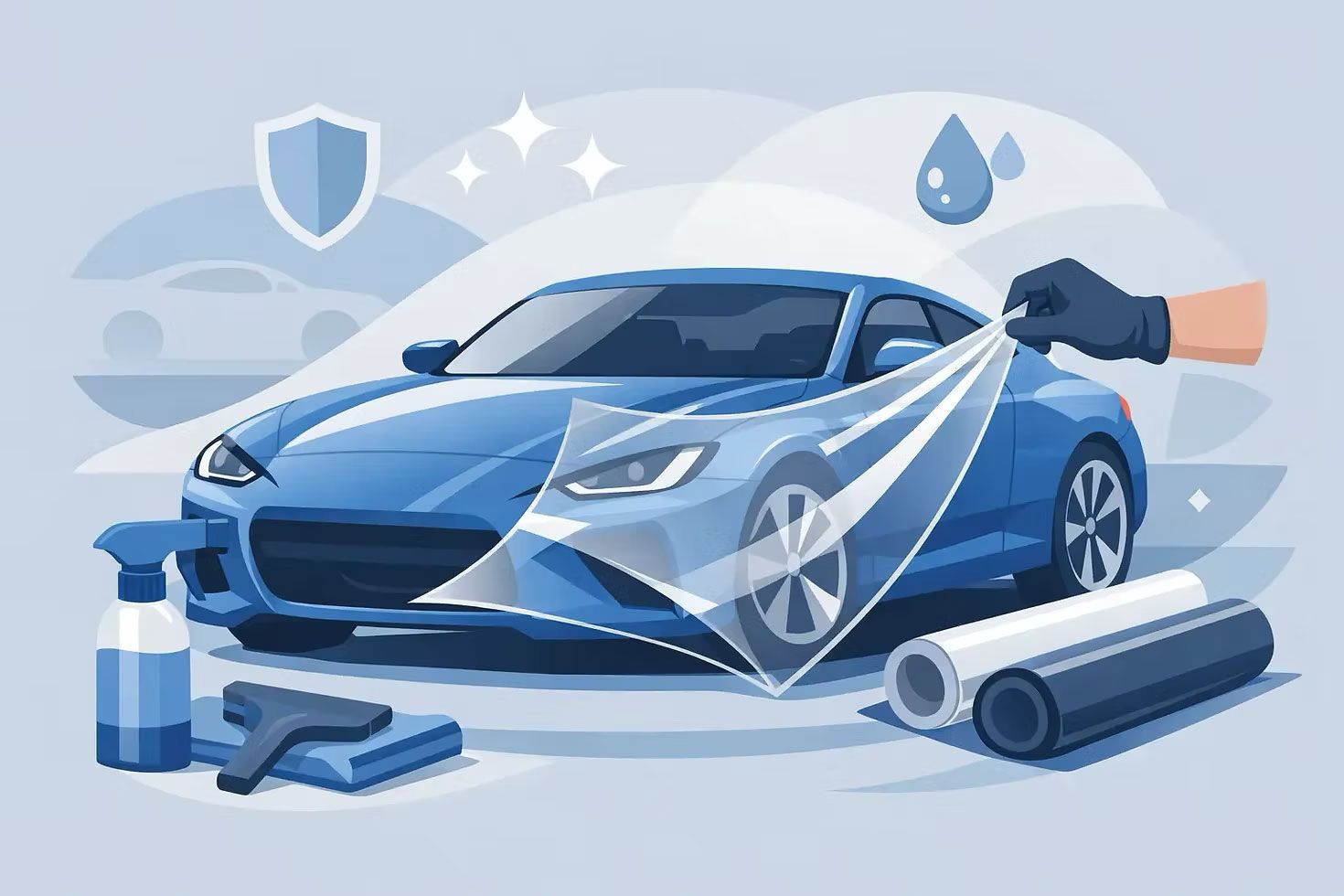
Professional paint correction becomes the better choice when the vehicle has severe wash marring, random isolated scratches, haze from previous polishing, or sensitive paint that is easy to damage. It also makes sense when the vehicle is newer, higher value, or about to receive ceramic coating or paint protection film. Correction is the prep work that determines how good the final result will look.
At a specialist level, paint correction is not just running a machine over the surface. It involves paint assessment, lighting, pad and polish selection, controlled polishing cycles, edge management, and proper inspection between steps. That is how you get real clarity instead of temporary gloss.