When a simple polish is enough
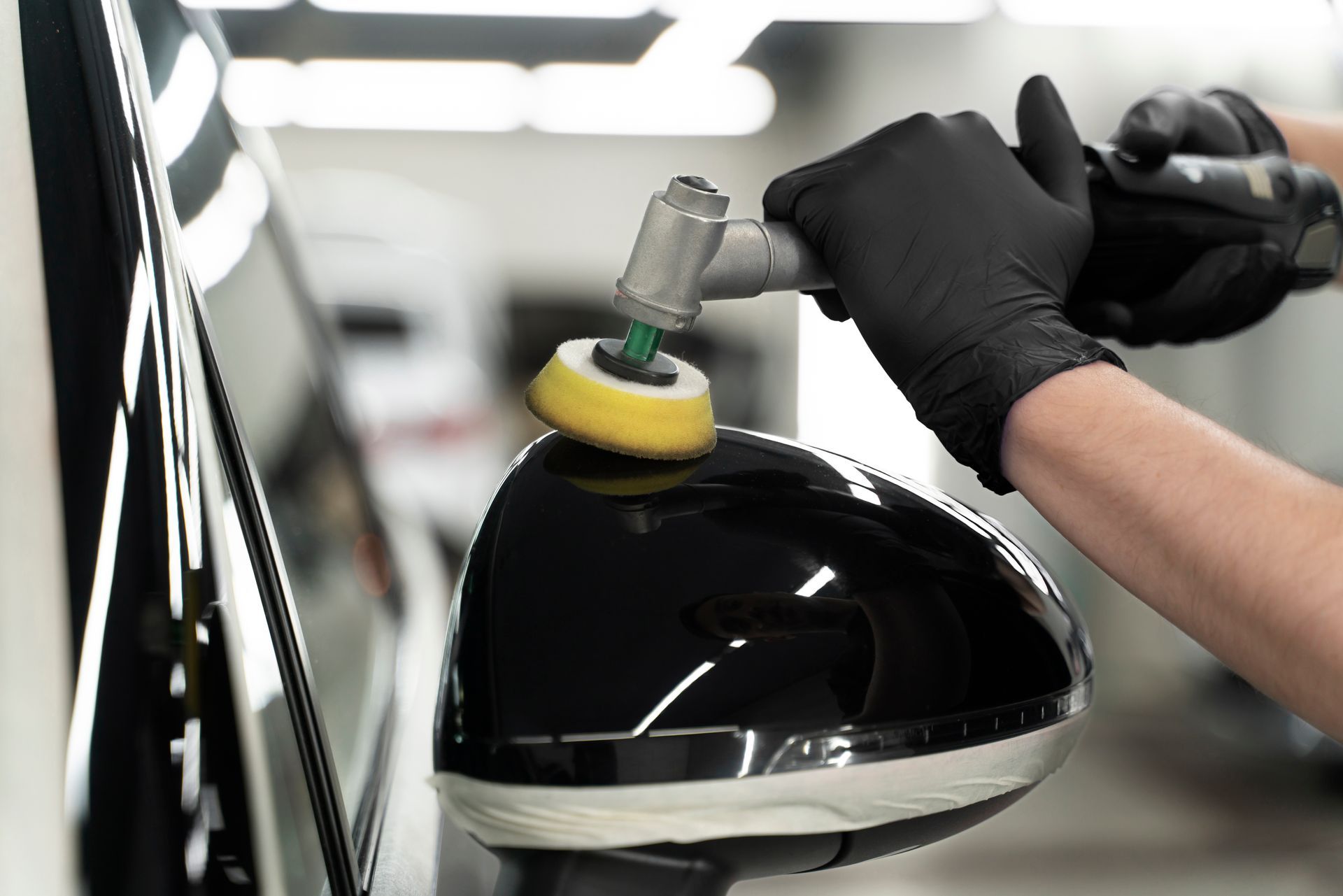
Not every car needs correction. In fact, a lot of vehicles benefit from a well-executed polish without the extra time and cost of a more aggressive service.
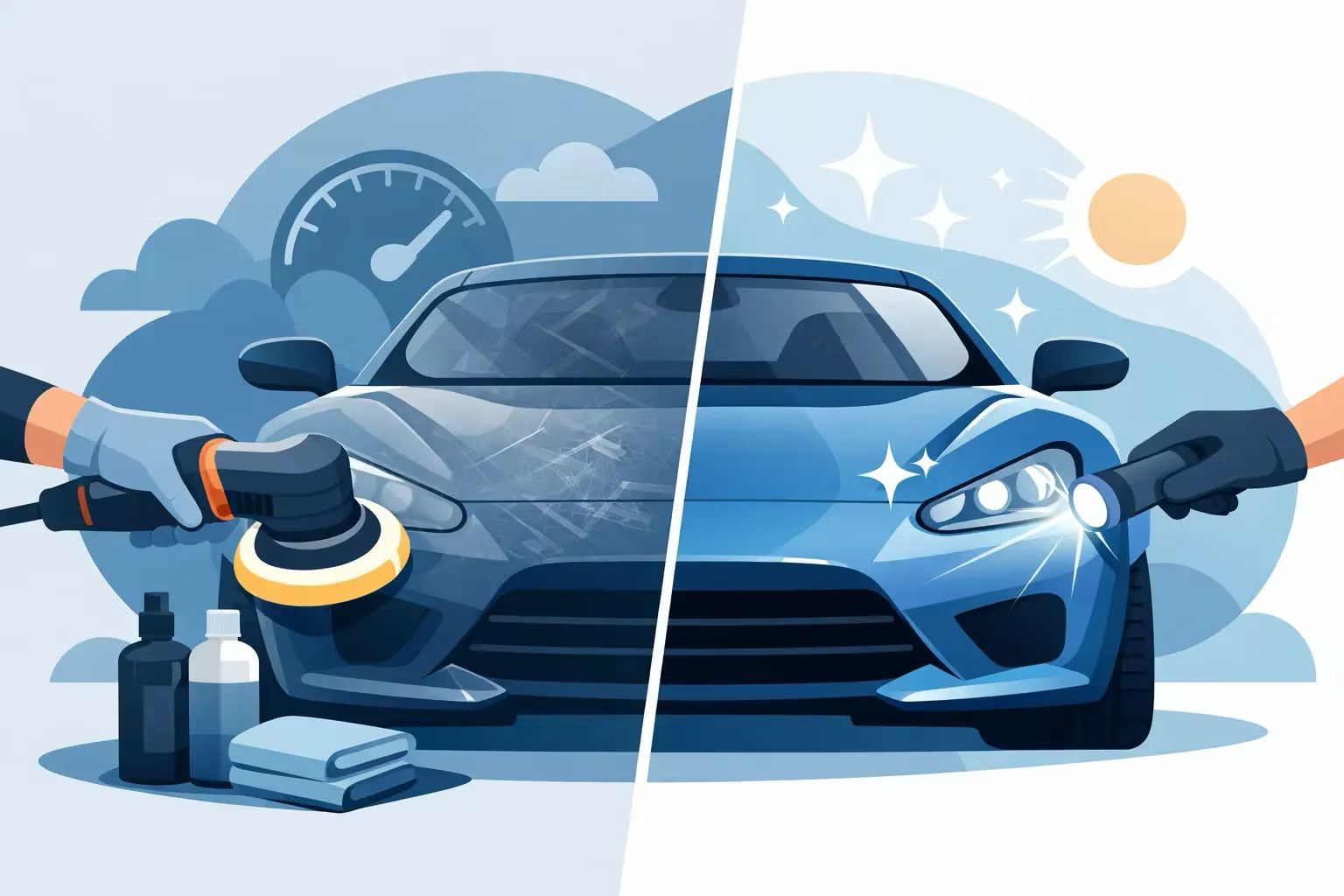
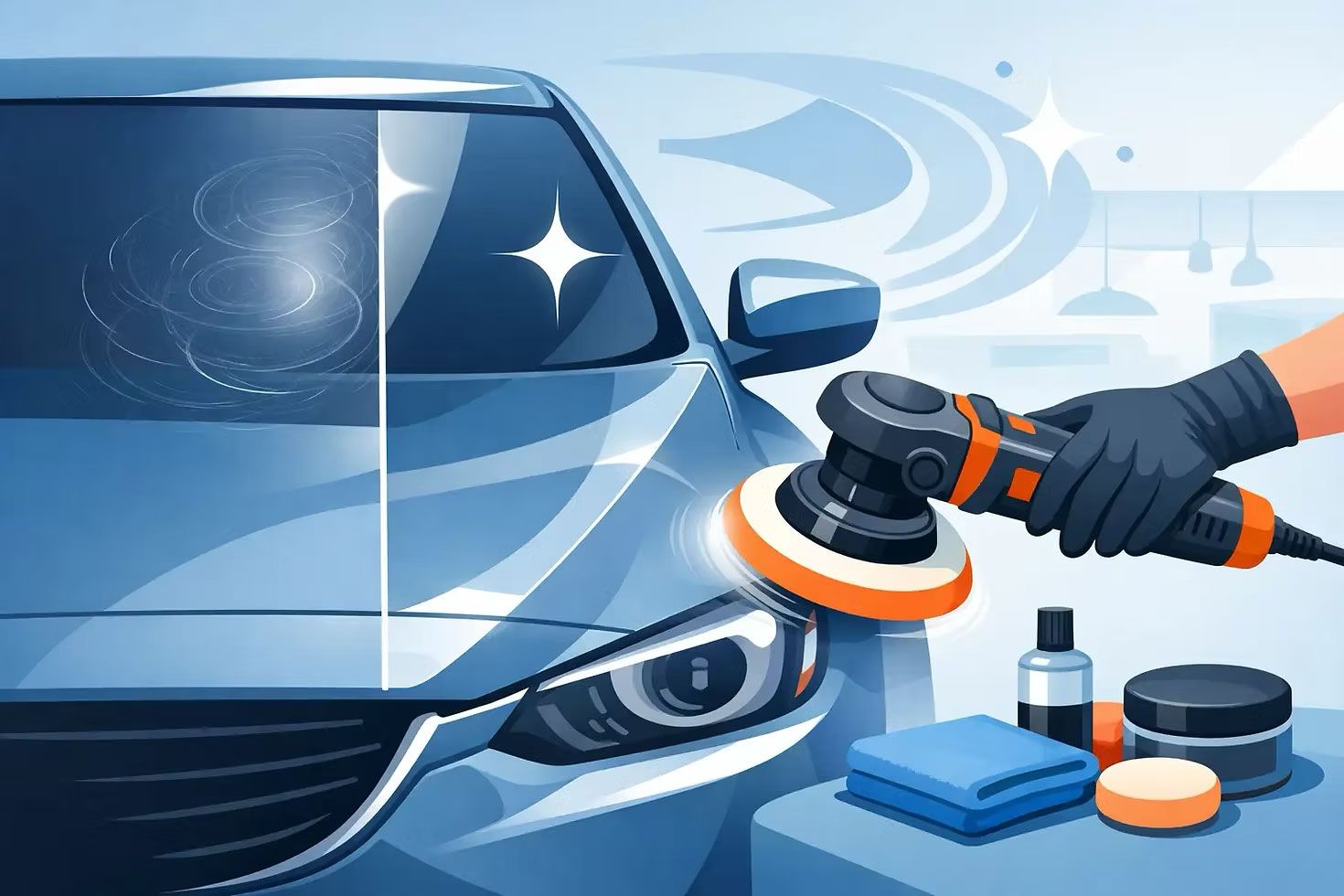
If your paint still has strong overall clarity and the defects are minor, a polish may be all you need. This is common on newer vehicles, garage-kept vehicles, and cars that have been washed carefully but have lost some gloss over time. It is also a smart option when you want to freshen up the finish before a sale, a show, or a protective service.
A polish can also make sense if paint preservation is the priority. Since every abrasive service removes a small amount of clear coat, the least aggressive method that achieves the goal is usually the right one.
When paint correction is worth it
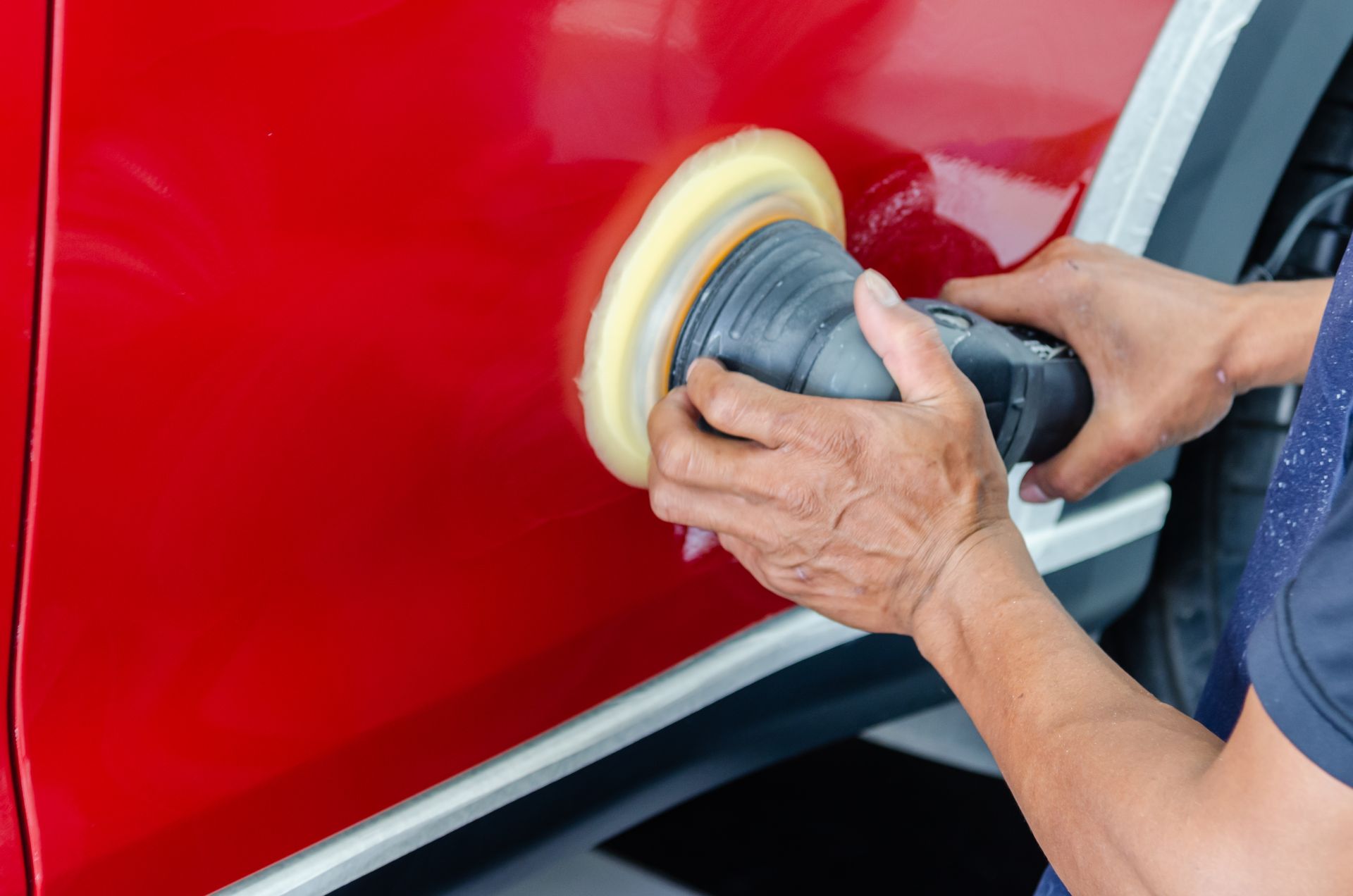
If the paint looks fine in the shade but rough under direct sun or LED lighting, correction is usually the better option. Swirl marks, wash scratches, oxidation, and dullness tend to stand out once the vehicle is in honest light.
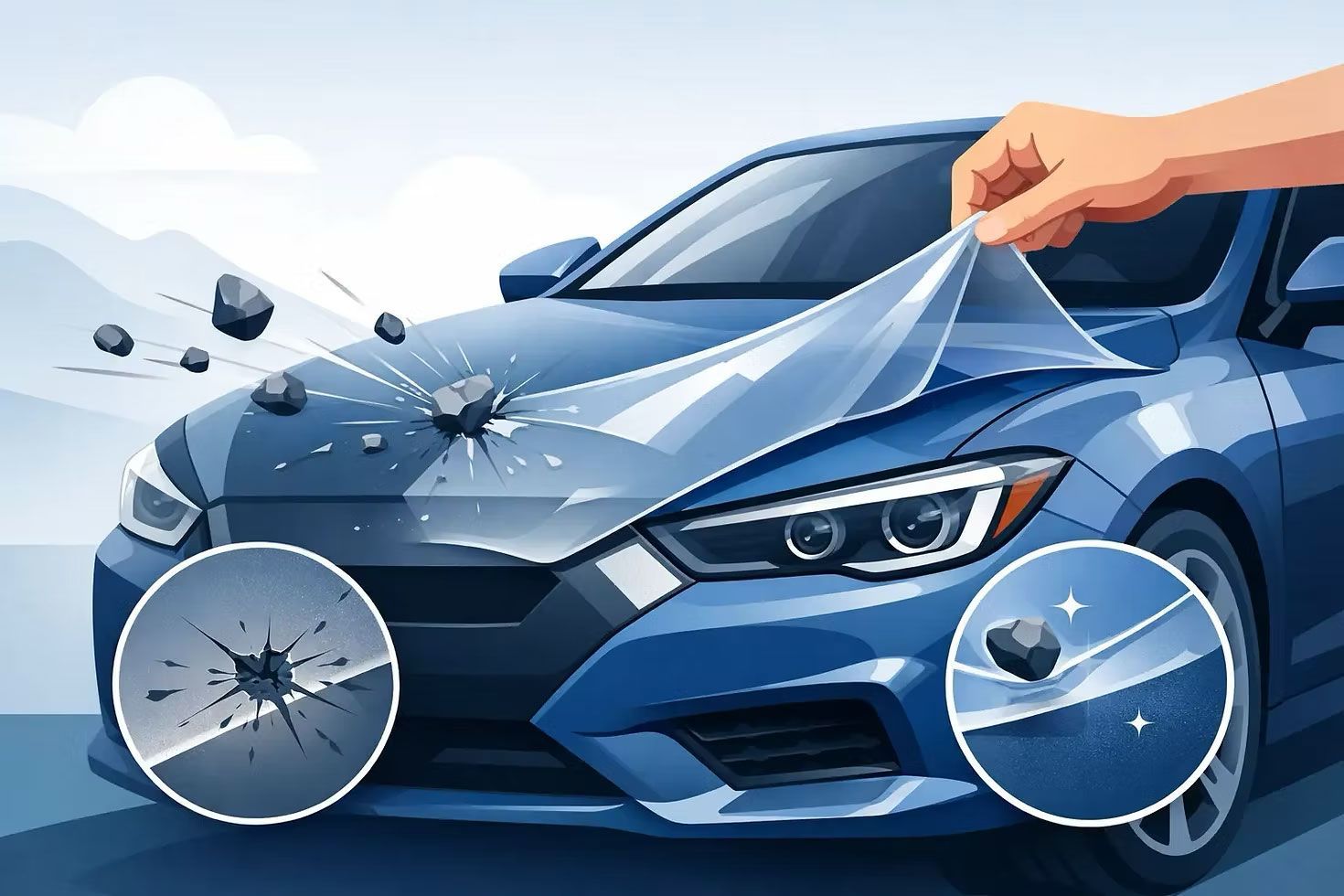
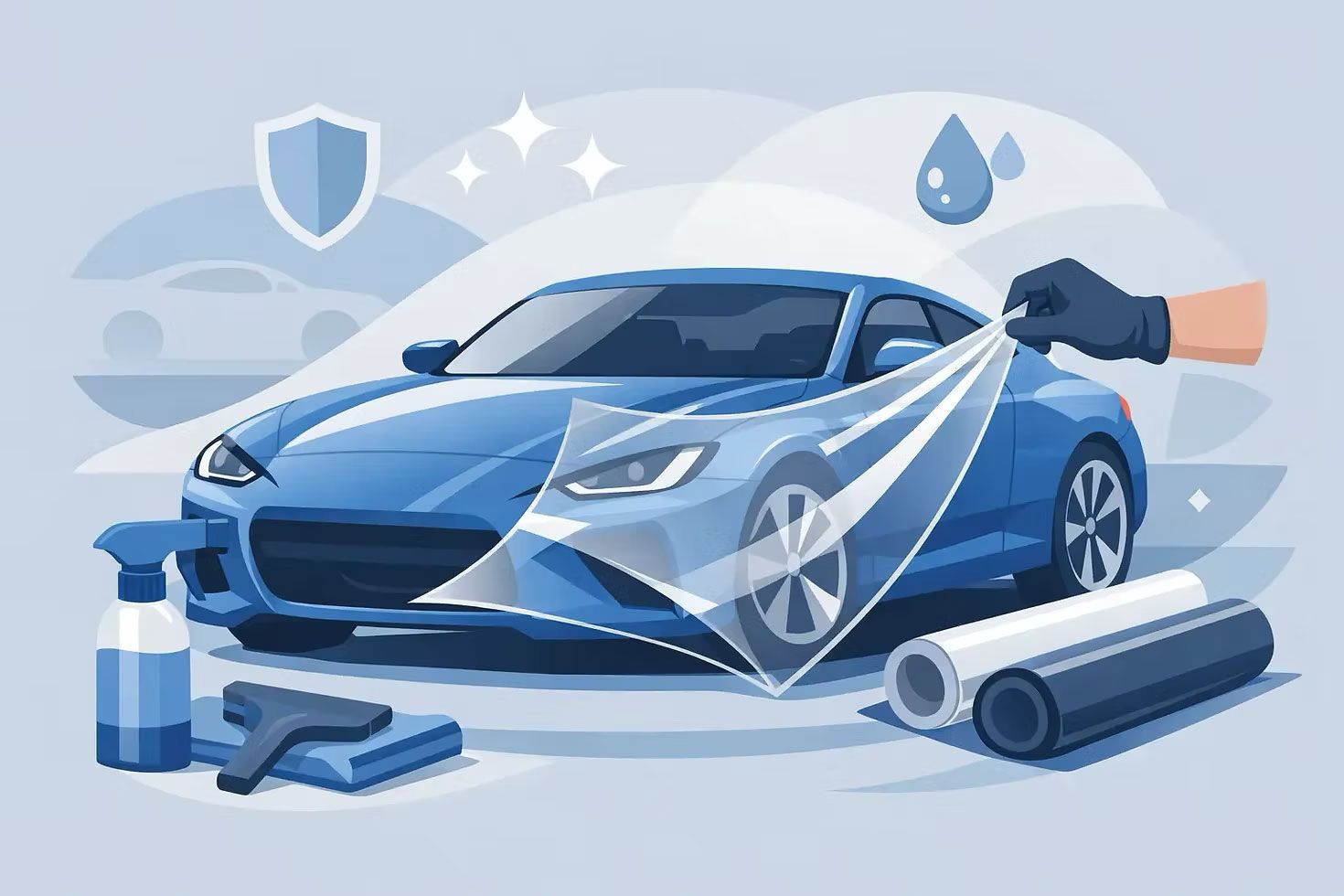
Correction is especially worth considering before ceramic coating or paint protection film. A coating adds gloss and protection, but it does not remove defects underneath it. If the paint is swirled or hazy before the coating goes on, that condition is still there afterward - just sealed in and more noticeable on a freshly protected surface.
The same logic applies to owners who care about long-term value. If you plan to keep the vehicle and want it to look right for years, correcting the paint before locking in protection is often the smarter investment.
Paint correction vs polishing before ceramic coating
This is where the confusion shows up most often. Many owners assume a ceramic coating will fix the paint. It will not. A coating protects what is there. If the finish is already refined and clear, the coating enhances it. If the finish is swirled and dull, the coating preserves that too.
That is why prep work matters so much. Before a coating is installed, the paint should be evaluated to decide whether it needs a light polish or a more involved correction. There is no universal answer. It depends on the age of the vehicle, paint condition, color, and owner expectations.
For some daily drivers, a one-step polish before coating delivers the right balance of gloss, defect reduction, and value. For enthusiast vehicles or darker colors where every swirl is visible, a more thorough correction may be the better path.
The trade-off: perfection, cost, and paint preservation
This is the part most shops should explain clearly. More correction is not automatically better.
A multi-step correction can produce a dramatic finish, but it also requires more time, more labor, and more measurable abrasion to the clear coat. That does not mean it is unsafe when performed properly. It means the goal should be based on what the vehicle actually needs, not on selling the most aggressive package possible.
Sometimes a 70 to 85 percent improvement is the smartest target for a daily driver. You get a major visual upgrade, better gloss, and a cleaner finish without chasing every last mark. Other times, especially on premium or enthusiast vehicles, a higher level of correction makes sense because the owner wants that near-showroom look.
The right service is the one that matches the paint, the budget, and the way the vehicle is used.
Why professional results are different
Anyone can buy a machine polisher. Getting consistent, safe results is another matter.
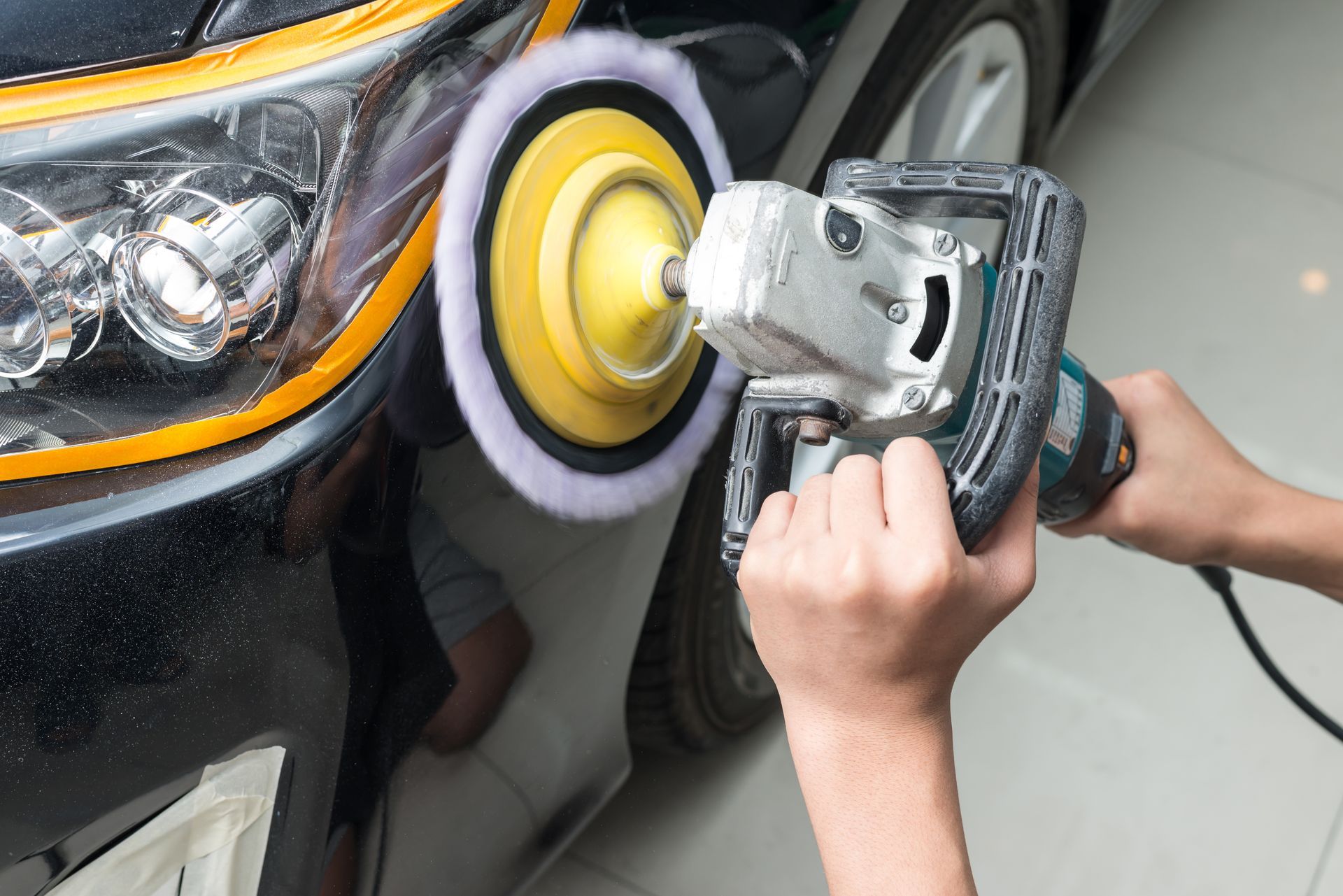
Professional polishing and correction depend on proper lighting, paint evaluation, pad and polish selection, machine control, and knowing when to stop. Some defects can be improved significantly. Others may be too deep to remove safely. A skilled shop understands that line and works within it.
That experience also matters in the prep stage. Decontamination, tape work, panel inspection, and finish refinement all affect the outcome. Shops that treat paint correction as technical preparation, not just cosmetic cleanup, usually deliver better long-term results. That is especially true before coatings, film, or other appearance upgrades.
How to choose the right service for your vehicle
Start with the paint condition, not the service name. If the vehicle has light marring and just needs more gloss, polishing may be enough. If it has obvious swirls, oxidation, or scratches that are taking away from the finish, paint correction is likely the better fit.
Then think about your end goal. Are you trying to improve appearance for now, or are you preparing the surface for ceramic coating or another protective service? Do you want a strong improvement on a daily driver, or are you aiming for a much higher level of refinement?
A good shop should be able to inspect the vehicle and explain what is realistic. That includes what can be removed, what can only be reduced, and what level of correction makes sense without overworking the paint.
For vehicle owners who care about finish quality, this is never just a cosmetic decision. It is about choosing the right process to get the paint where it needs to be before you protect it and live with it every day. If you are unsure which route makes sense, the best next step is a hands-on paint evaluation from a shop that values precision as much as the final shine.