Paint Protection Film Guide for Car Owners
The first rock chip always seems to show up sooner than it should. Maybe it hits the front bumper on the highway, maybe it lands on the hood a week after delivery, but once you see it, you start noticing every mark. That is exactly why a paint protection film guide matters. If you want to keep your vehicle looking sharp instead of slowly collecting damage from normal driving, PPF is one of the most effective ways to do it.
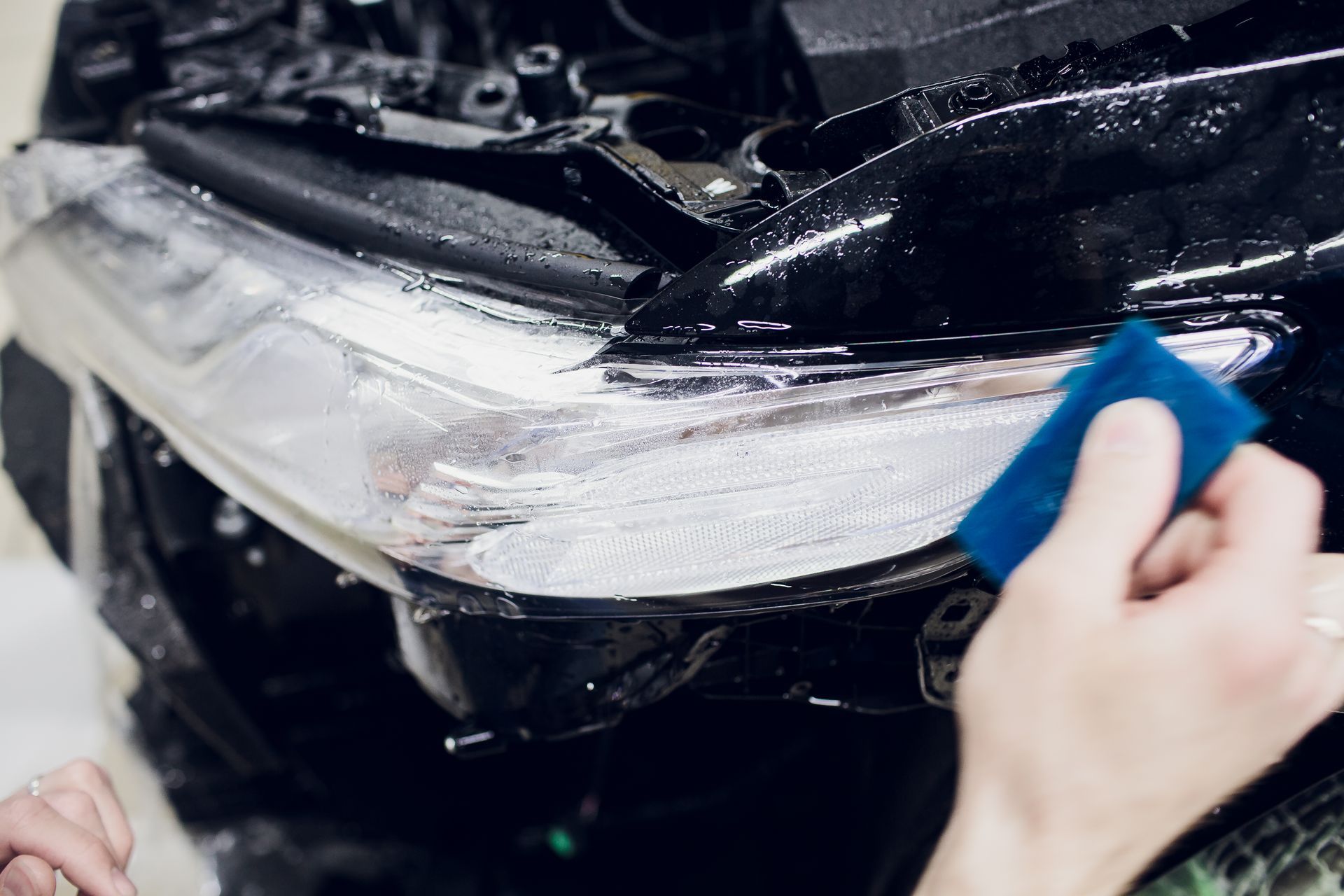
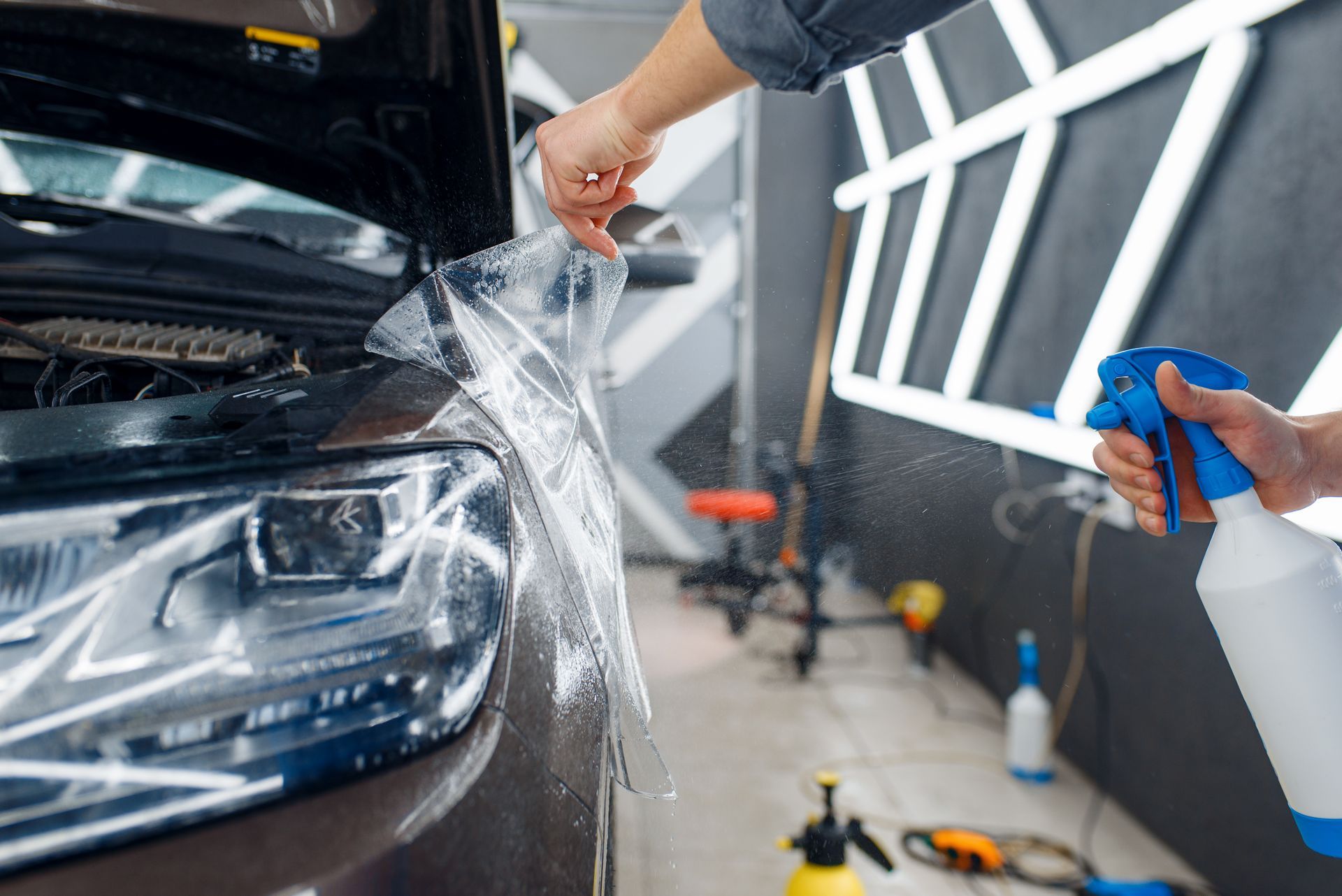
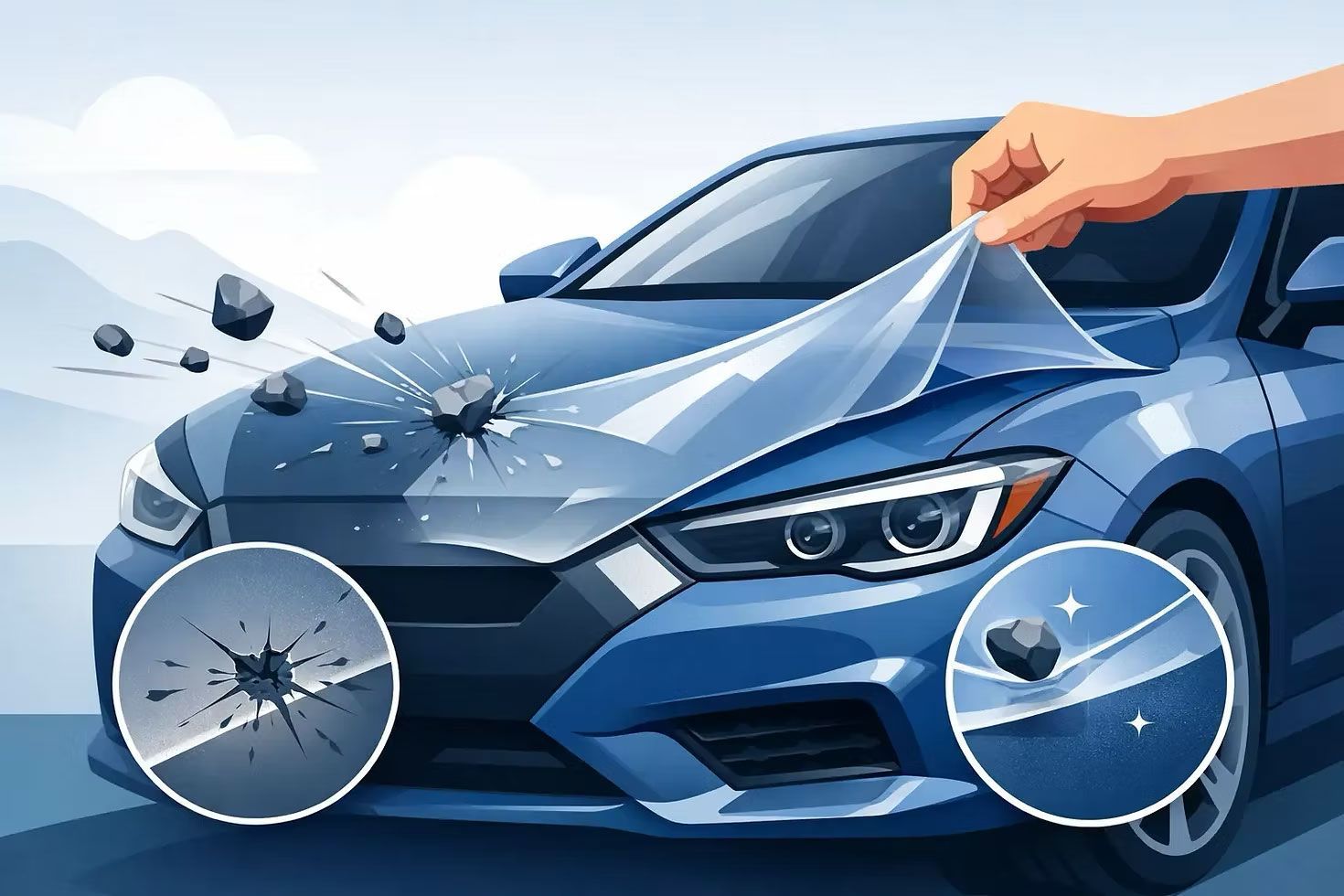
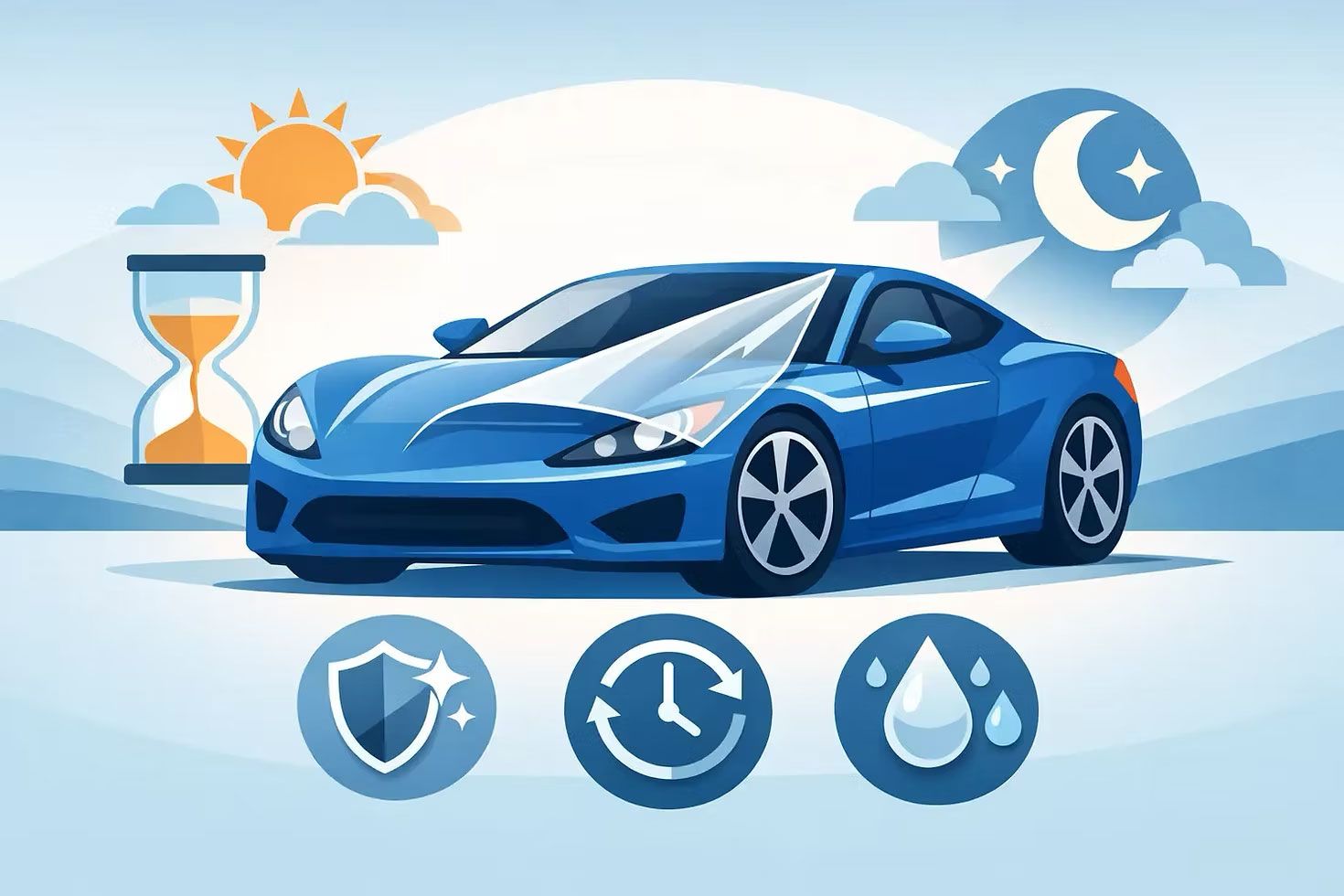
Paint protection film, often called PPF or clear bra, is a transparent urethane film applied over painted surfaces to absorb everyday abuse. It is designed to help protect against rock chips, light scratches, bug acids, road debris, and staining. For drivers who care about preserving factory paint, keeping resale value stronger, or simply avoiding that worn front-end look, it is a practical upgrade, not just a cosmetic one.
What paint protection film actually does
PPF is a sacrificial layer. Instead of your paint taking the hit, the film does. On a daily driver, that usually means less chipping on the bumper, hood, fenders, and mirror caps. On a performance car or a new truck, it can mean keeping high-impact areas cleaner and more consistent over time.
Modern film has come a long way from older products that were thicker-looking and more noticeable around edges. Quality PPF is clearer, more refined, and often built with self-healing properties that allow minor surface marks to relax with heat. That does not make it invincible, and it does not mean you can ignore maintenance, but it does make a real difference in how a vehicle ages.
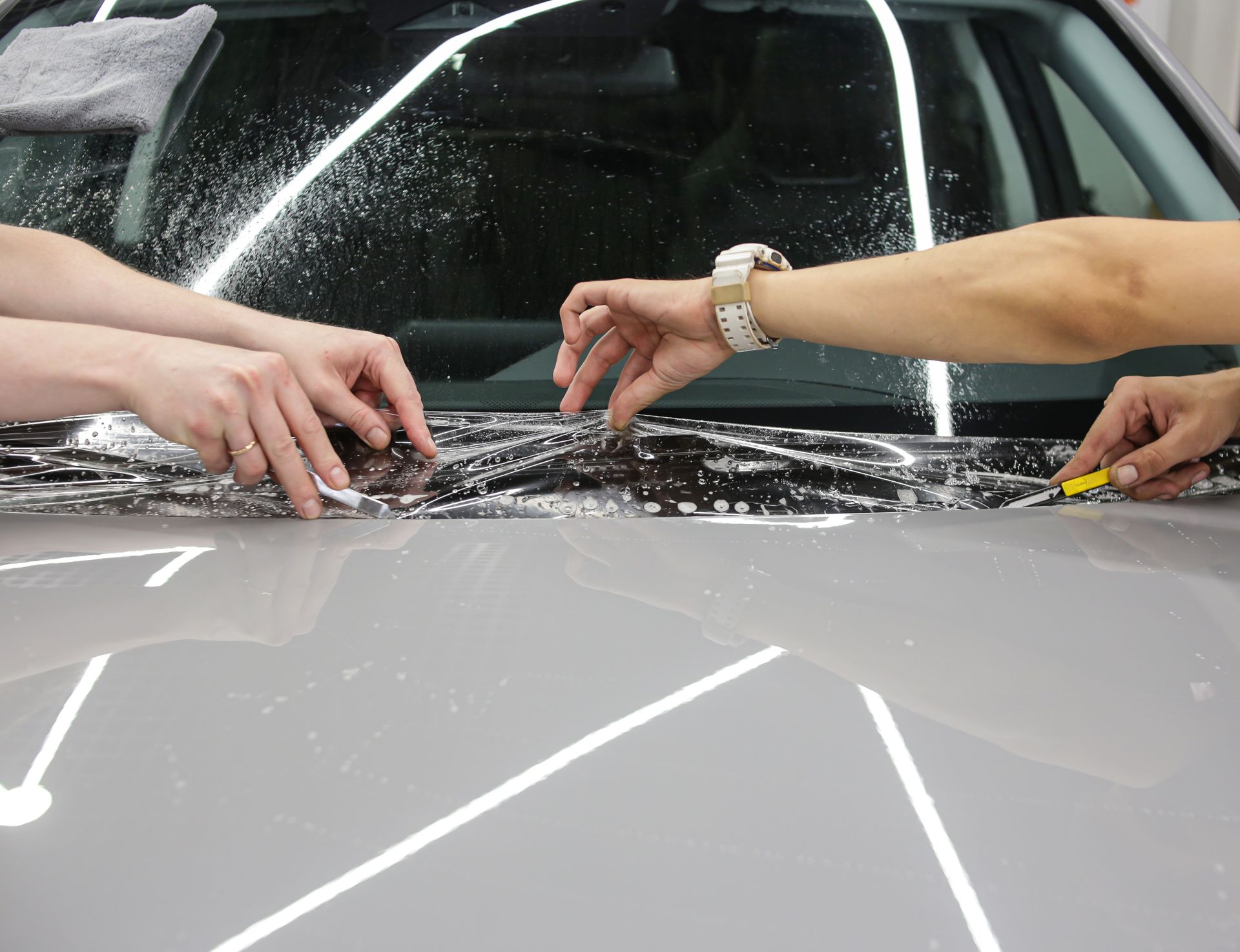
What it does not do is stop all damage under every condition. A sharp impact at the right angle can still cut or puncture film. Poor installation can also create visible lines, trapped contamination, lifting edges, or premature failure. Material matters, but installation quality matters just as much.
Paint protection film guide: where coverage makes sense
The right coverage depends on how you drive, what you drive, and how long you plan to keep it. Some owners want protection only where damage is most likely. Others want a nearly invisible barrier over the entire painted exterior.
A partial front package is the entry point for many vehicles. That usually covers the front bumper and portions of the hood and fenders. It offers some protection, but partial coverage creates visible transition lines, which can be a drawback if appearance is a priority.
A full front package is the more complete and more popular choice for owners who want better long-term results. This often includes the full hood, full fenders, front bumper, mirror caps, and sometimes headlights. It protects the areas that take the most abuse without putting film on every panel.
Full-body PPF is the premium option. It is ideal for exotic cars, high-end daily drivers, dark paint, specialty finishes, and owners who are serious about preservation. It also makes sense for vehicles that see frequent highway miles or road construction. The cost is significantly higher, but so is the level of coverage.
There are also custom add-ons that solve very specific problems. Door cups, door edges, rocker panels, rear bumper ledges, A-pillars, and luggage areas all take repeated wear. These are smart places for targeted film even if you are not wrapping the whole vehicle.
Is PPF worth it?
For the right owner, yes. For every owner, not automatically.
If you lease a vehicle short term, put low miles on it, and are not bothered by a few chips, PPF may not be the best use of your budget. If you bought a new vehicle, care about keeping paint clean, or plan to own it for years, the value becomes much easier to see. Repainting damaged panels later rarely matches factory paint quality perfectly, and even good paintwork costs money.
PPF is also worth more on some colors and finishes than others. Black paint, for example, shows everything. Front-end damage stands out fast. Matte and satin finishes are even more complicated because repair options are limited. Protecting those surfaces early is often smarter than trying to correct them later.
For many owners, the real value is peace of mind. You stop worrying as much about every highway drive, every bug-covered road trip, and every little abrasion near high-contact areas.
What affects the price
The biggest factor is coverage. A full front package costs more than a partial front, and a full-body wrap costs much more than both. Vehicle shape also matters. Cars with complex curves, aggressive bumpers, wide-body panels, or difficult edges take more time and precision.
Film brand and film type influence cost as well. Higher-end products generally offer better clarity, stain resistance, top-coat performance, and warranty support. Then there is the labor side. Proper prep is not optional if you want a clean result. Any contamination, leftover wax, surface defects, or paint issues under the film can stay visible.
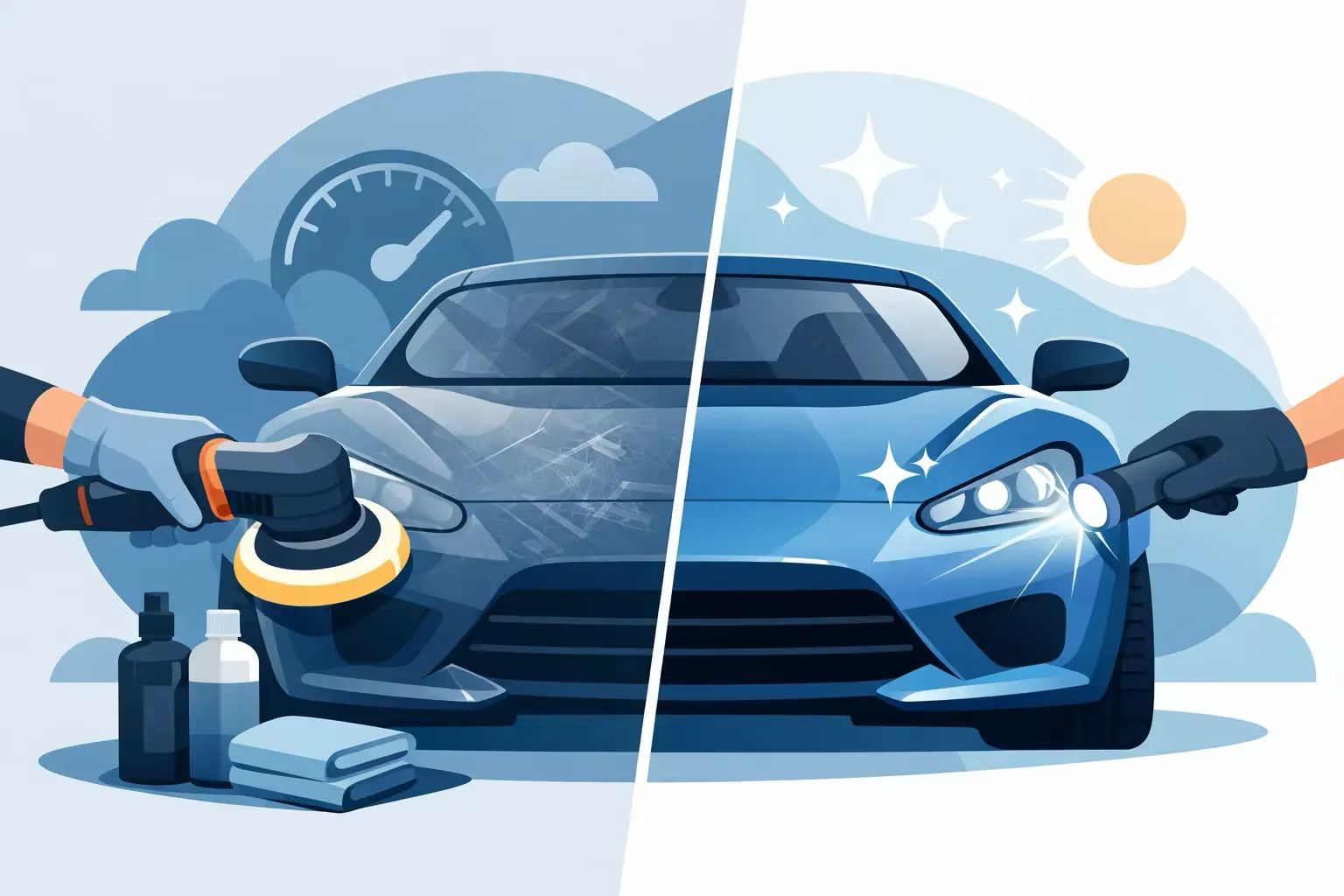
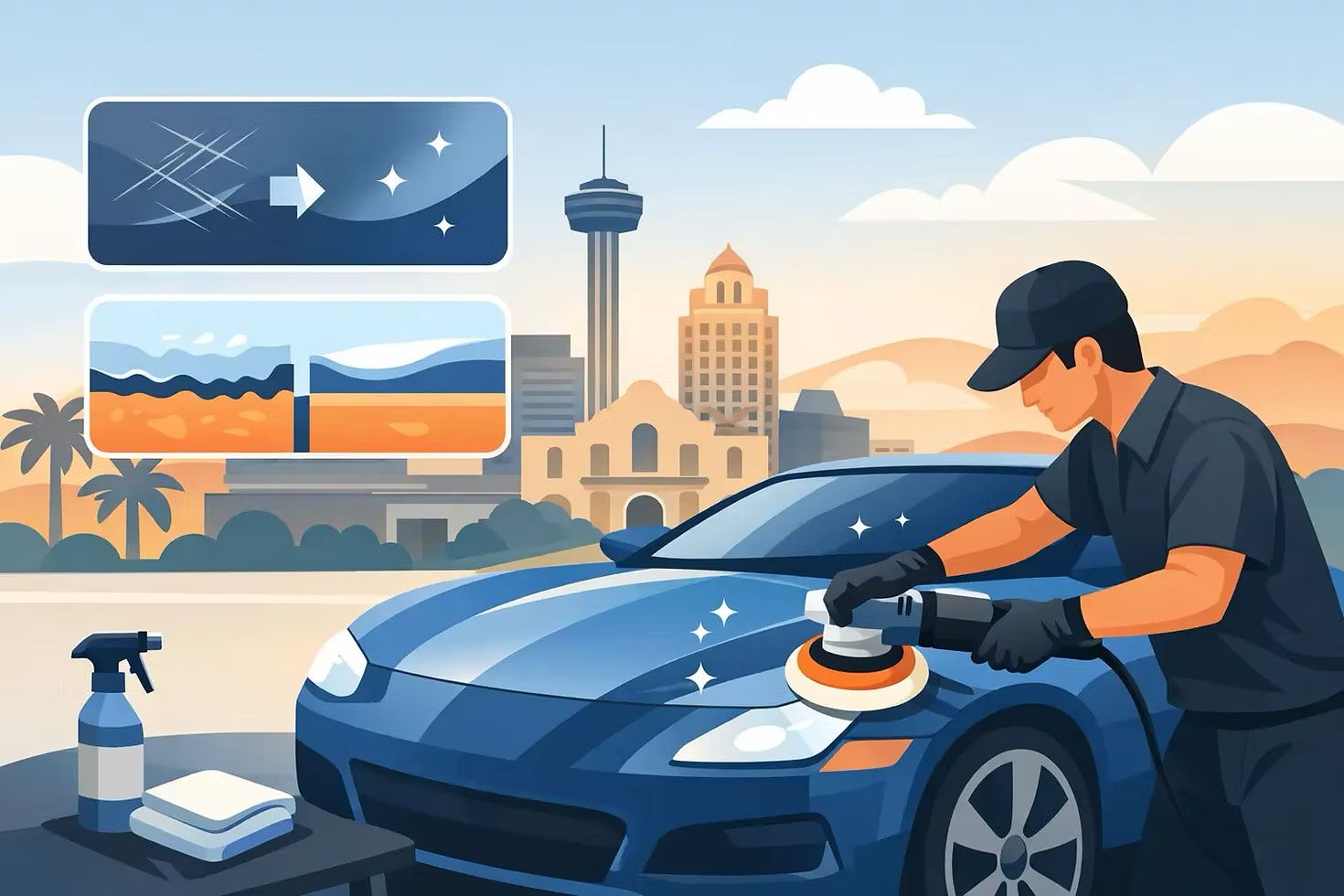
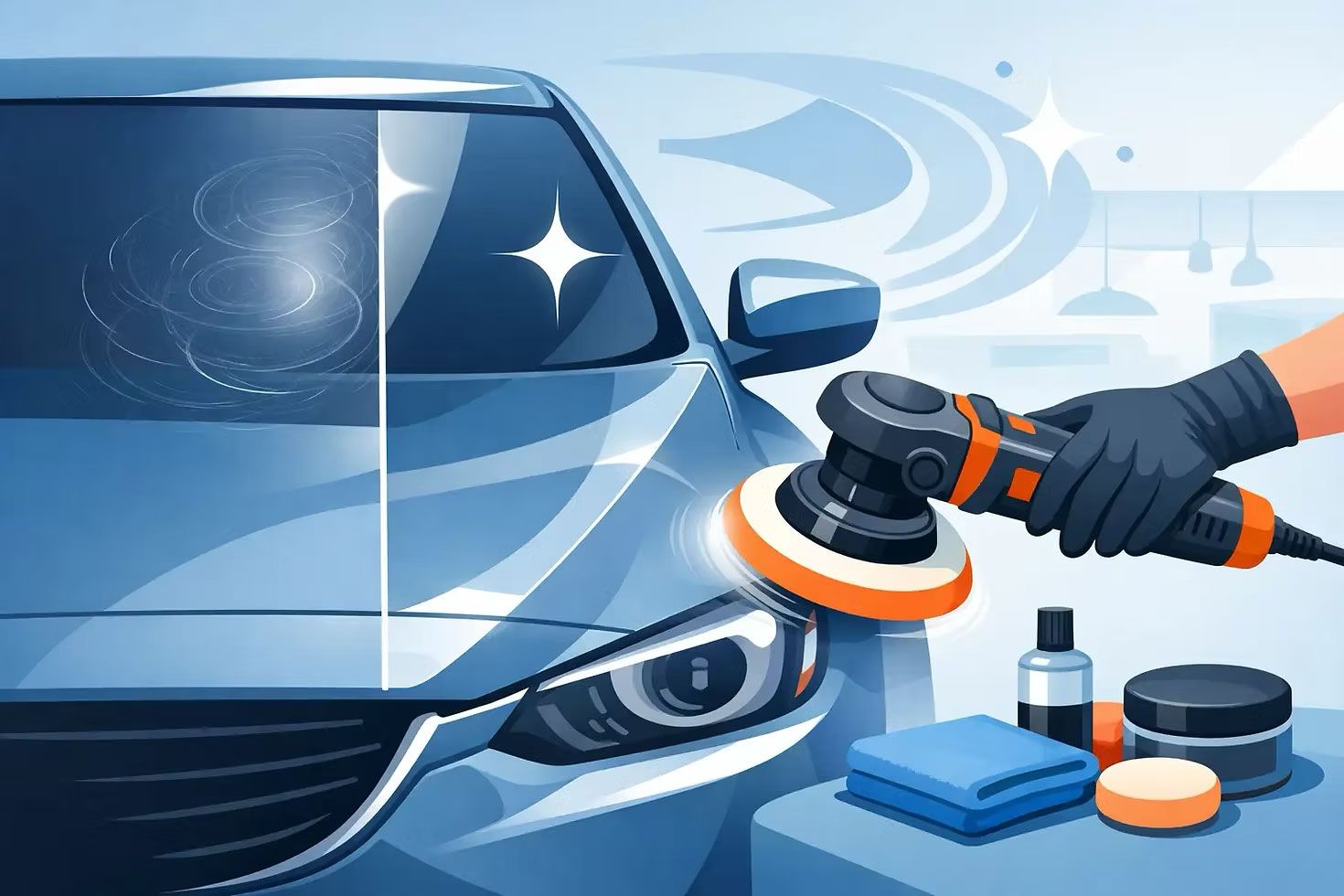
That is where many installations separate themselves. A serious shop does not just lay film over whatever condition the paint arrives in. Surface prep and, when needed, paint correction are a big part of getting the finish right before installation starts.