


Paint Protection Film San Antonio Guide
- jcsautosalon
- Jun 1
- 6 min read
A fresh front bumper can take a beating fast in San Antonio. One week of highway driving, loose gravel, construction dust, and bug splatter can leave a newer vehicle looking older than it should. That is exactly why paint protection film San Antonio drivers choose has become less of a luxury add-on and more of a smart preservation step.
For owners who care about keeping paint clean, glossy, and chip-free, PPF solves a very specific problem. It puts a clear, durable barrier over vulnerable painted surfaces so the vehicle takes less damage from everyday driving. The result is not just better appearance right now, but less correction work, less repaint risk, and better long-term condition.
What paint protection film actually does
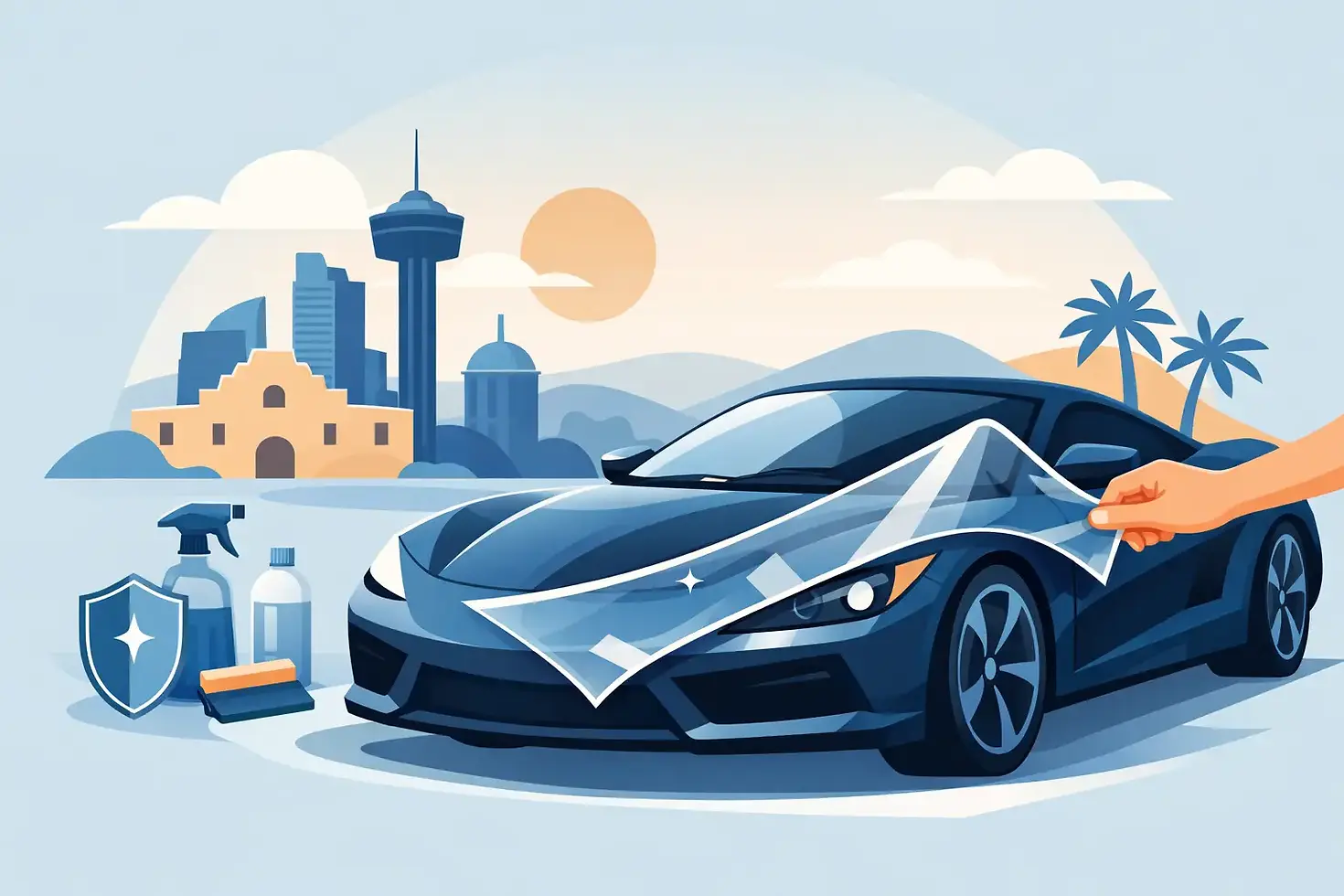
Paint protection film is a transparent urethane film installed over painted exterior panels. Its main job is to absorb the abuse your paint would otherwise take directly. Think rock chips on the front bumper, sandblasting on the hood, light scratches around the door cups, and staining from bug acids or road debris.
Good film does not make a vehicle indestructible. It will not stop major impact damage, and it cannot fix neglected paint underneath it. What it does very well is reduce the small to medium damage that adds up over time. That matters on daily drivers, performance cars, trucks, and premium vehicles alike.
Many modern films also include self-healing properties. That means light surface marks in the top layer can relax with heat and become less visible. It is one of the biggest reasons PPF remains the top choice for customers who want real-world protection without changing the look of the paint.
Why paint protection film in San Antonio makes sense
Not every market is the same. Paint protection film in San Antonio makes practical sense because local driving conditions are hard on vehicle finishes. High heat, intense sun, highway commuting, road construction, and long-distance Texas driving all increase wear on exposed paint.
Heat and UV exposure can dull unprotected finishes over time. Road grime and bug residue bake onto the front end quickly. Gravel and debris from daily travel can chip leading edges before most owners realize how much damage is happening. If you plan to keep your vehicle for years, those small impacts become expensive cosmetic issues.
For newer vehicles, PPF helps preserve the finish before damage starts. For enthusiast-owned vehicles, it protects the areas that are hardest to keep perfect. For trucks and SUVs, it adds a layer of defense where larger vehicles often see heavy road use.
The most common areas to protect
Coverage should match how you drive, where you park, and how particular you are about paint condition. Some owners only want help with obvious impact zones. Others want a nearly invisible wrap across most painted surfaces.
The front bumper is usually the first area to protect because it takes direct hits from rocks, bugs, and road debris. The hood and fenders are close behind, especially on vehicles that spend time on highways. Mirror caps, headlights, and A-pillars also see regular abuse.
Door cups and door edges are smaller areas, but they are worth considering because they collect scratches from rings, fingernails, and tight parking spaces. Rear bumper ledges are another smart choice on SUVs and sedans where loading cargo can mark the paint.
Full front packages are often the sweet spot for many owners because they cover the highest-impact areas without the cost of a full-body install. Full-body coverage makes more sense for exotic, high-end, or collector vehicles, or for owners who simply want the most complete protection possible.
Not all PPF installs are equal
The film matters, but installation matters just as much. A poor install can leave lifted edges, visible contamination, stretch marks, silvering, and cut lines that distract from the entire vehicle. Even high-quality film will look average in the wrong hands.
Proper prep work is where better results start. Paint should be thoroughly cleaned and decontaminated before installation. In many cases, correction work is worth doing first, because film can lock in whatever is underneath it. If swirl marks, haze, or surface defects are already there, they do not disappear under clear film.
This is where experienced shops separate themselves. Precision trimming, clean panel alignment, careful edge wrapping when possible, and attention to finish quality make the film less noticeable and more durable. Customers often focus on the product brand, but craftsmanship is what determines how refined the final result looks.
PPF versus ceramic coating
This question comes up often because both services protect paint, but they do different jobs. PPF is designed for impact resistance. Ceramic coating is designed more for surface performance, gloss, chemical resistance, and easier maintenance.
If your biggest concern is rock chips and physical damage, PPF is the stronger solution. If your biggest concern is keeping the vehicle easier to wash and glossier over time, a coating can help significantly. For many owners, the best answer is not one or the other. It is both, used in the right order.
A common approach is to install film on the most vulnerable painted areas and then apply ceramic protection over film and remaining exposed surfaces. That gives you impact defense where you need it most and easier maintenance across the vehicle as a whole.
How to decide how much coverage you need
There is no single package that fits everyone. A weekend car that only sees clear weather has different needs than a black daily driver that logs miles on I-10 every week. Budget matters too, and there is no reason to oversell coverage that does not fit the vehicle or the owner.
If you lease or trade vehicles frequently, a partial front or full front package may be enough to keep the paint in stronger condition during ownership. If you bought a new truck or SUV and plan to keep it long term, a broader strategy usually makes more sense. If you own a premium vehicle with specialty paint, full-body film can be easier to justify because repainting and paint matching are far more expensive.
The right shop should be able to walk through those trade-offs clearly. Good advice is not just about selling more square footage. It is about matching protection to use, expectations, and finish standards.
What to ask before choosing a shop
If you are comparing options, ask about prep work first. A clean install starts long before the film touches the panel. You should also ask what coverage lines will look like, whether edges are wrapped where appropriate, and how the shop handles complex curves, emblems, and high-visibility areas.
Ask about experience, warranty support, and aftercare guidance. A serious protection shop should be comfortable explaining the differences between packages and honest about what film can and cannot prevent. If the conversation feels rushed or overly vague, that is usually a sign to keep looking.
For owners who value finish quality, it also helps to choose a shop that understands the full appearance side of the vehicle, not just the install itself. Protection works best when it is part of a bigger standard of paint care, correction, and long-term maintenance.
Caring for your vehicle after PPF installation
Once film is installed, maintenance gets easier, but not automatic. You still need proper washing methods to keep the finish looking sharp. Let the film cure as recommended, avoid unnecessary abrasion, and clean bug splatter or bird droppings promptly.
The good news is that protected surfaces typically hold up better during normal ownership. They are easier to maintain, less likely to collect permanent front-end damage, and less stressful to drive on rougher roads. That peace of mind is a big part of the value.
Shops like JC Auto Salon often see the same pattern. Customers who invest in protection early usually spend less time chasing cosmetic issues later. They are not trying to undo years of damage. They are preserving a finish that already looks the way it should.
If you care about how your vehicle looks every time the sun hits the hood, paint protection film is not about being overly cautious. It is about being realistic. Roads do what roads do, and protecting good paint before it gets hammered is almost always easier than trying to fix it afterward.


Comments