What Paint Protection Film Cost Really Includes
Sticker shock usually happens before the first rock chip. A driver buys a new vehicle, starts pricing protection, and quickly realizes paint protection film cost can range from a manageable upgrade to a serious investment. That spread is real, but it is not random. The price depends on what you are protecting, how far you want coverage to go, and how much precision goes into the install.
For most vehicle owners, the better question is not just, “How much does PPF cost?” It is, “What am I getting for that price?” A clean, long-lasting install is about much more than laying clear film on paint. Prep work, film quality, panel complexity, coverage level, and installer experience all shape the final number.
What paint protection film cost depends on
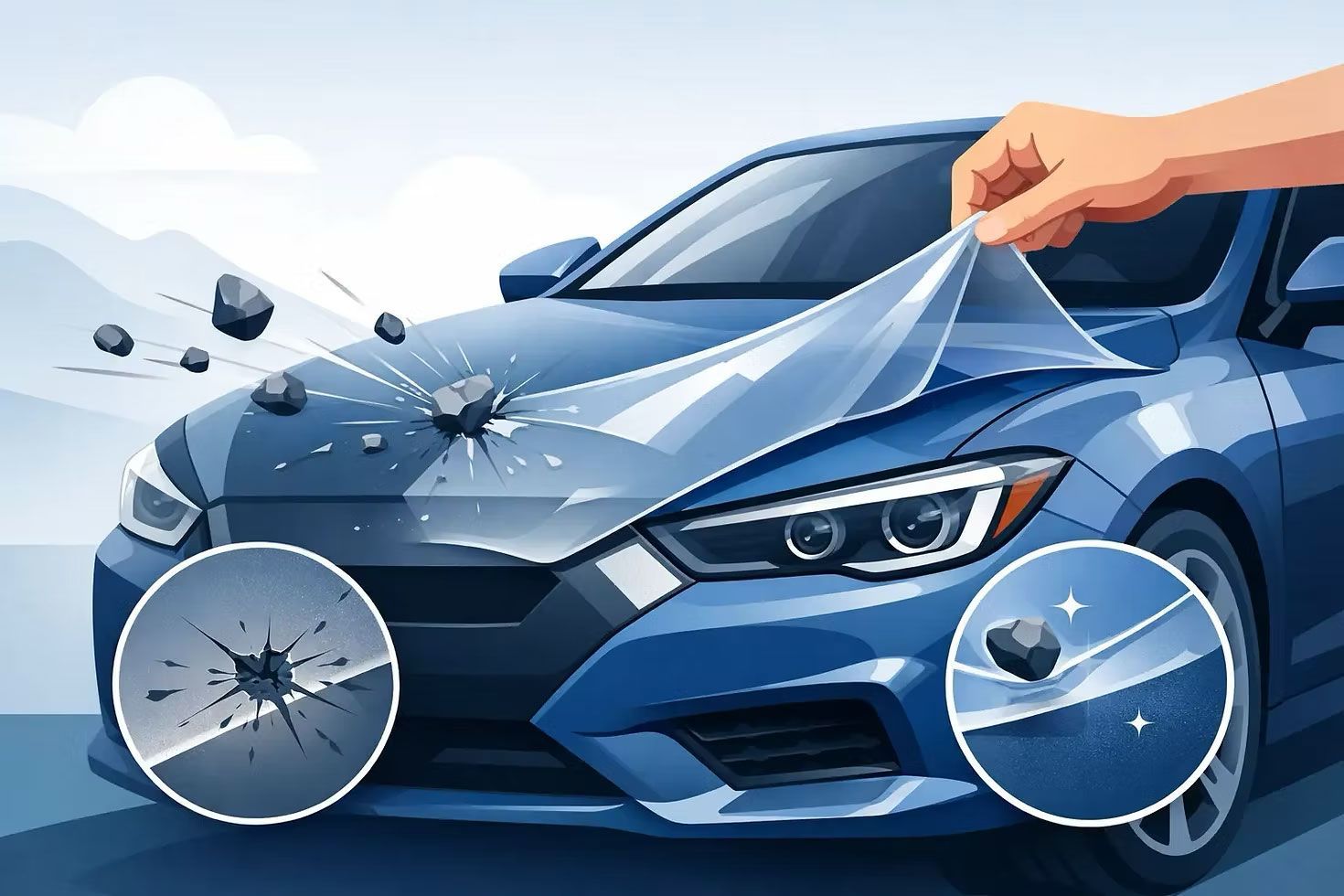
The biggest factor is coverage. A partial front package costs far less than a full front, and a full-body wrap is in a different category entirely. If you only protect the high-impact areas such as the front bumper, partial hood, partial fenders, and mirror caps, your price stays lower because there is less material and less labor involved.
Once you move into a full front package, the cost rises because the installer is covering the entire hood and fenders, not just the most exposed sections. That gives the vehicle a more uniform look and stronger protection where daily driving does the most damage. Full-body PPF goes further by protecting nearly every painted exterior surface, which means more film, more installation time, and more detailed edge work.
Vehicle size also matters. A compact sedan does not require the same amount of material or labor as a full-size truck, SUV, or wide-body performance car. Curves, vents, flares, splitters, and complex bumpers can all add time because they require more careful fitting and finishing.
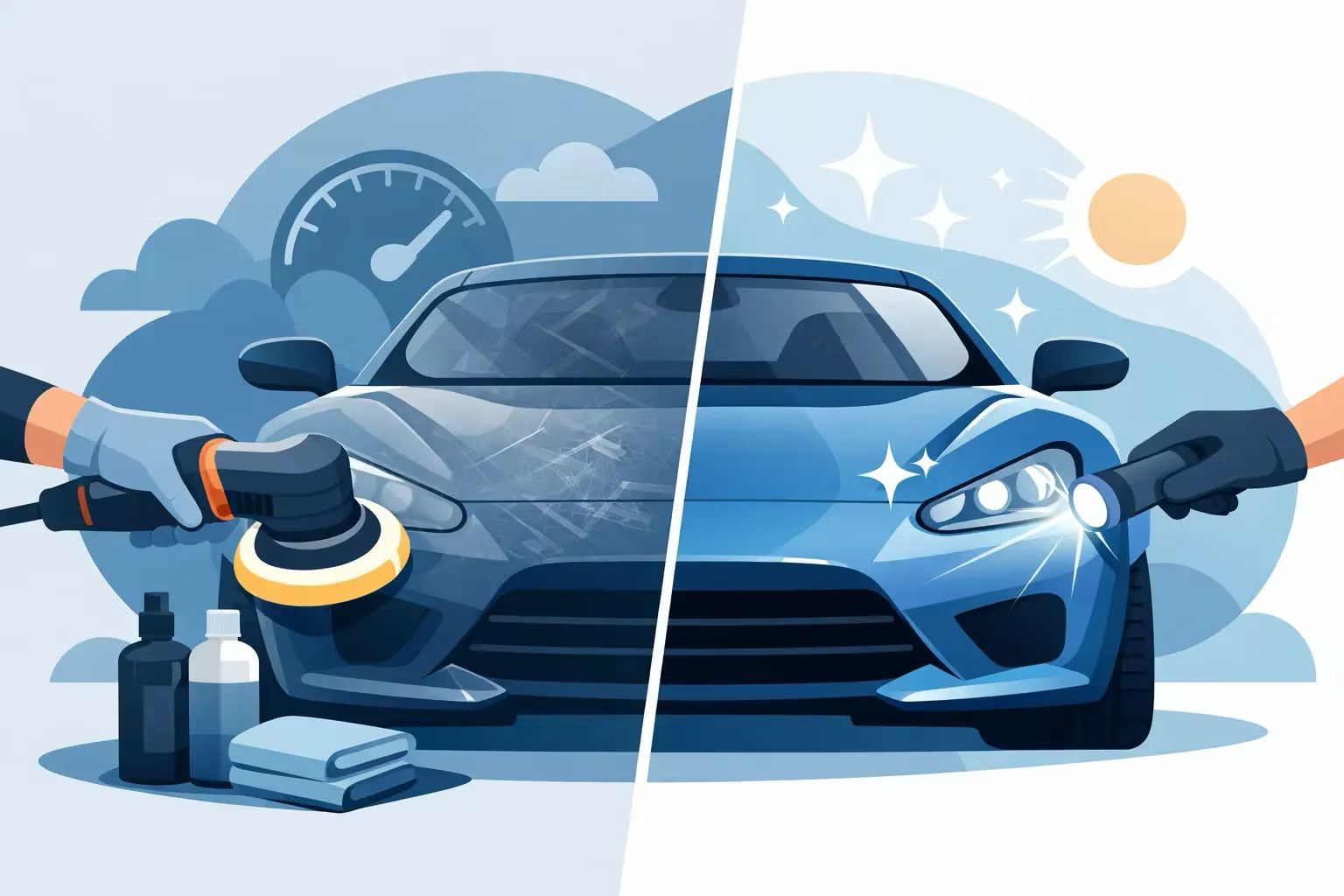
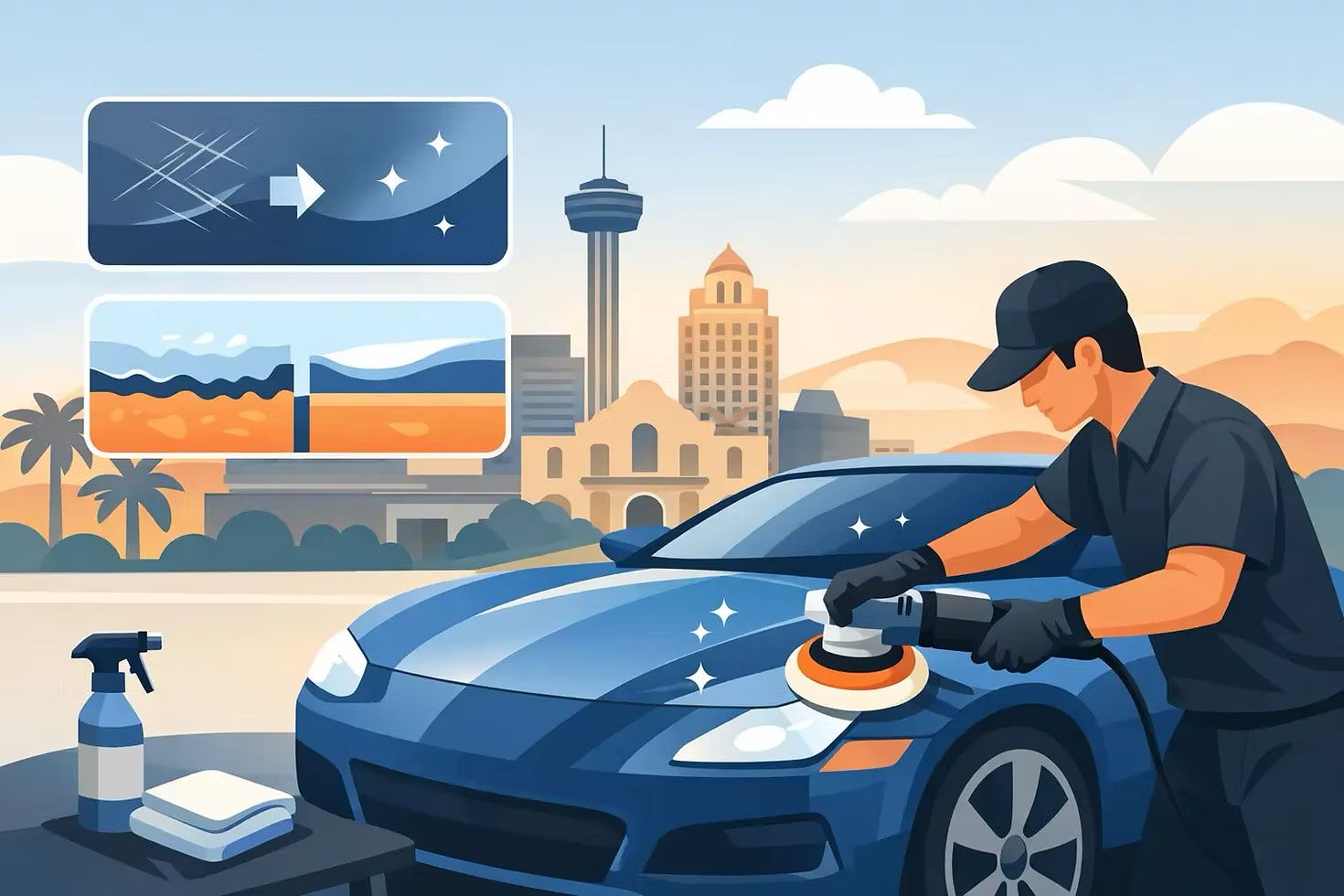
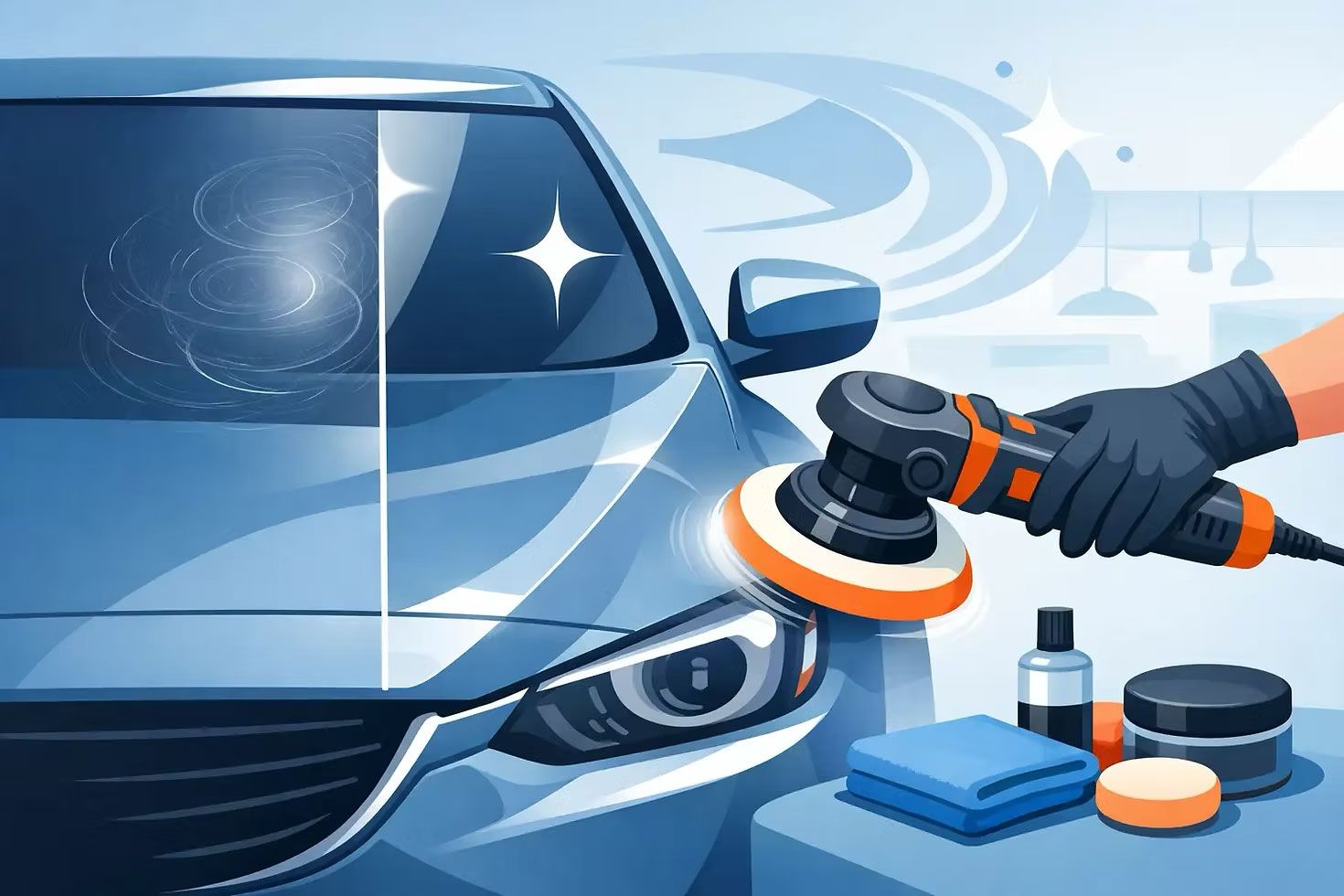
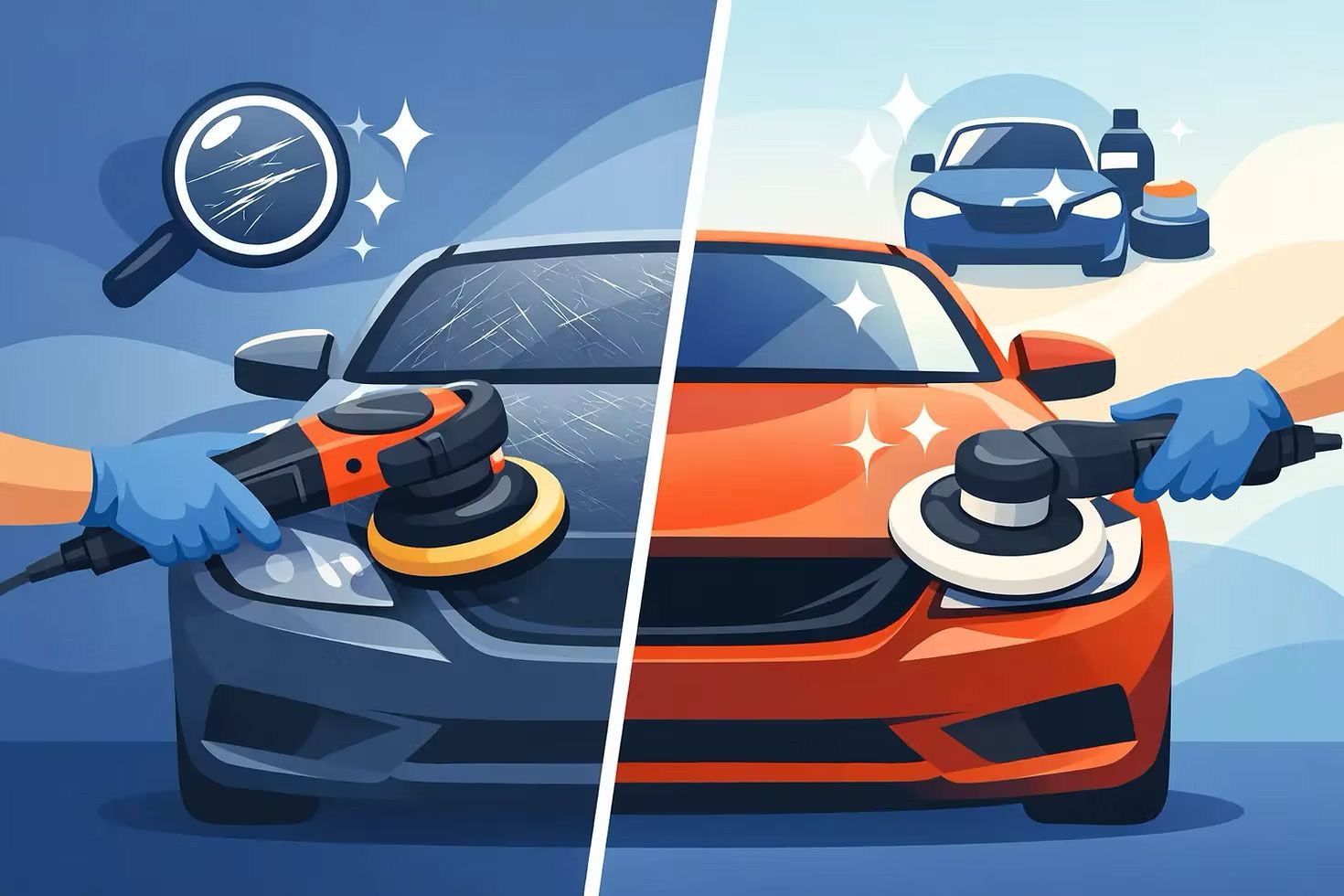
Then there is the condition of the paint before the film ever touches the vehicle. If the paint has swirls, scratches, water spots, or staining, those flaws do not disappear under PPF. In many cases, they become locked underneath it. That is why quality shops often recommend paint correction before installation. It improves the final look, but it also adds to the overall project cost.
Typical price ranges you can expect
There is no single nationwide number that fits every vehicle, but realistic ranges help set expectations. Entry-level partial front protection often starts in the high hundreds and can move into the low thousands, depending on the vehicle and film used. A full front package commonly lands in the low to mid thousands. Full-body coverage often reaches several thousand dollars and can climb significantly for larger vehicles or more complex designs.
Those ranges can feel broad, but that is because a basic install and a premium install are not the same product in practice. Two quotes may both say “PPF,” yet one includes minimal prep, less precise coverage, and film with fewer long-term benefits. The other may include paint correction, custom trimming or computer-cut patterns refined by hand, wrapped edges where possible, and a cleaner finish overall.
If a quote feels unusually low, it is worth asking what is not included. Lower pricing can mean thinner margins on prep, less experienced labor, or film that may not hold up as well over time.
Why installation quality changes the value
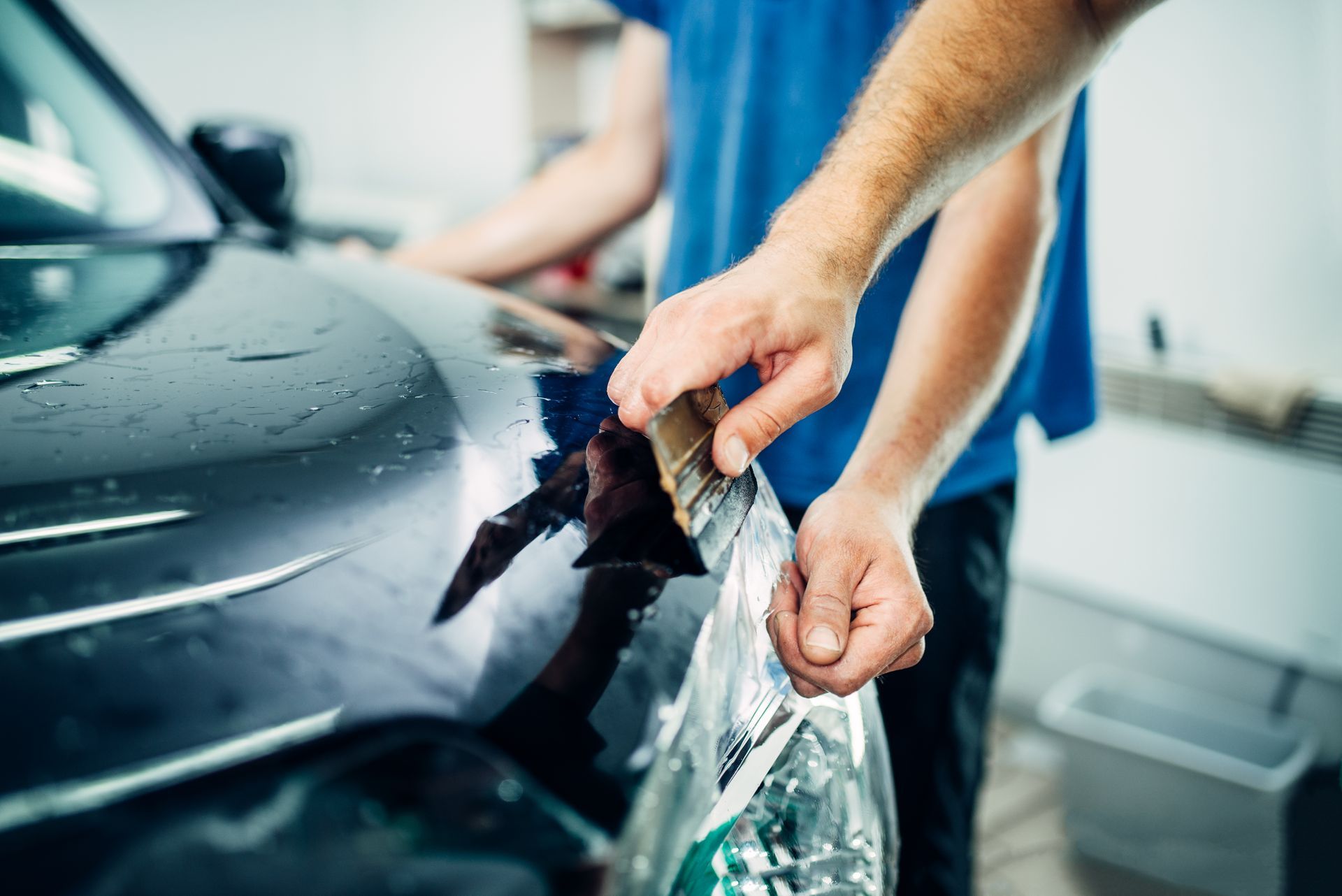
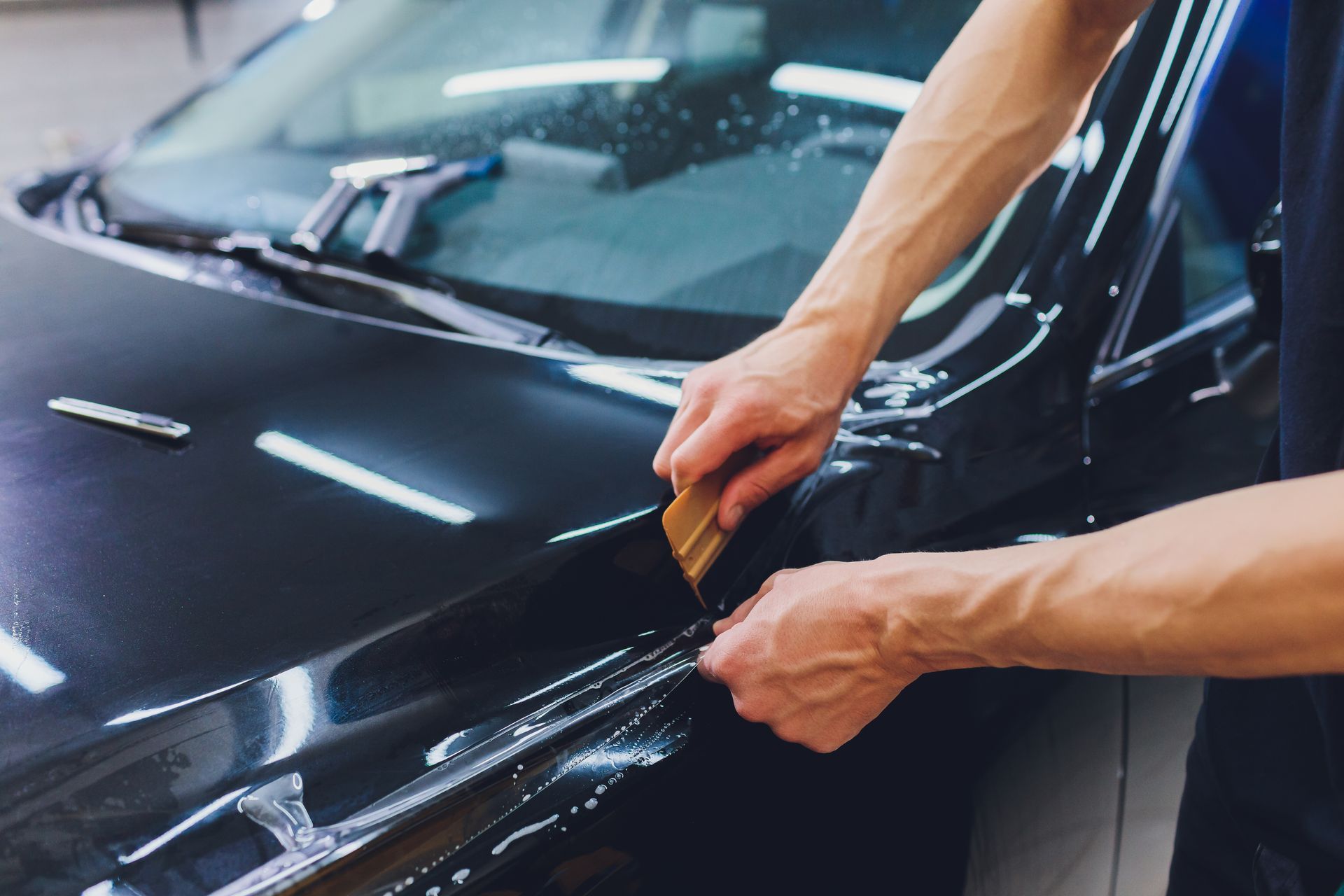
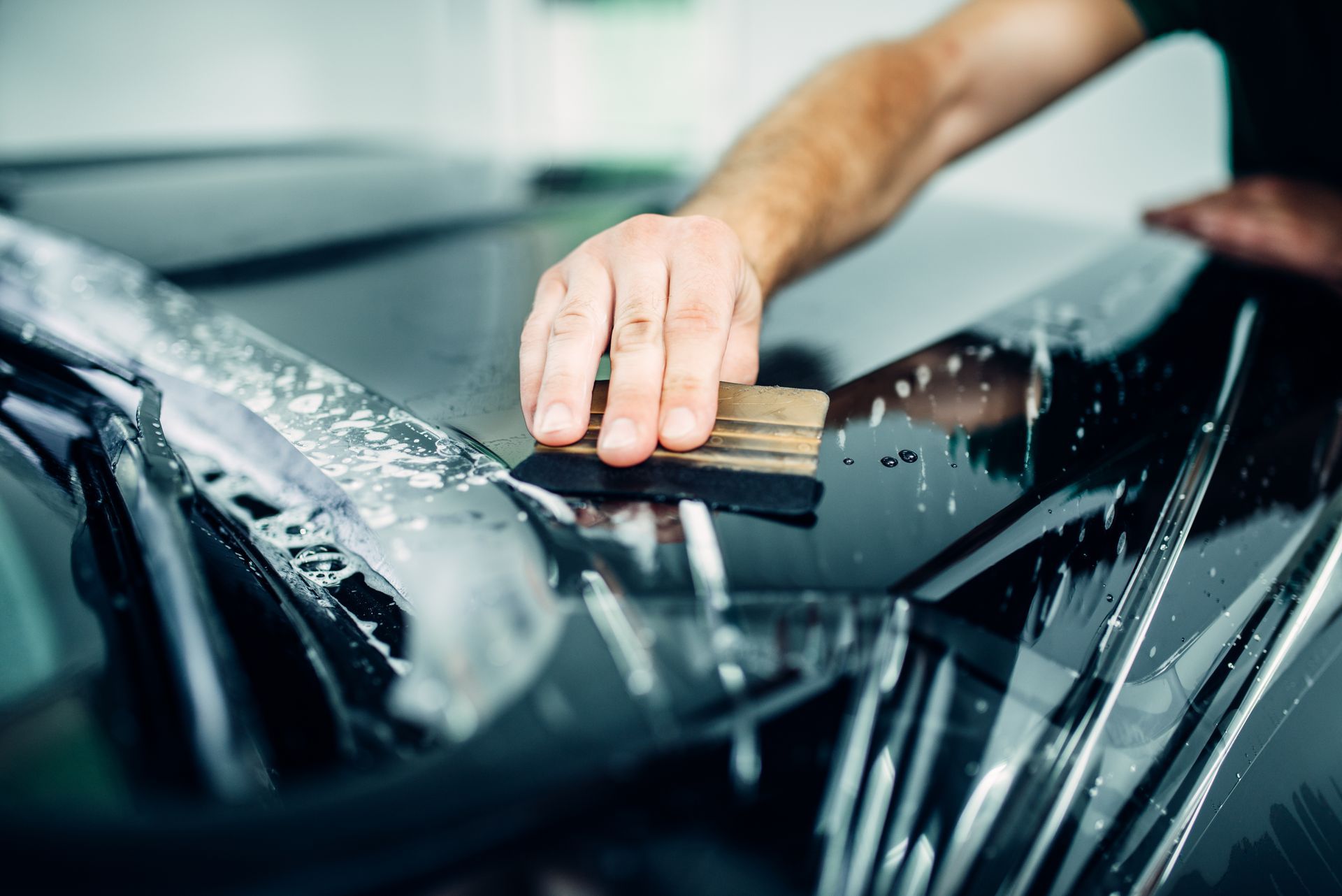
PPF is one of those services where workmanship shows up slowly. A poor install might look acceptable from ten feet away on day one, then reveal lifted edges, trapped contamination, visible stretch marks, or premature failure months later. A proper install takes patience, clean working conditions, and a team that understands both the material and the vehicle.
That labor is a major part of paint protection film cost, and for good reason. Bumpers are especially time-intensive because of their shape and the number of contours that have to be handled correctly. Tucking edges, aligning patterns, and reducing visible seams all take skill. The goal is not simply to cover paint. It is to make the protection as clean and unobtrusive as possible.
Experienced installers also know when extra prep is non-negotiable. If the surface is not properly decontaminated and corrected first, the finished result will never look as refined as it should. On a high-value vehicle, that difference matters.
Film type and warranty matter too
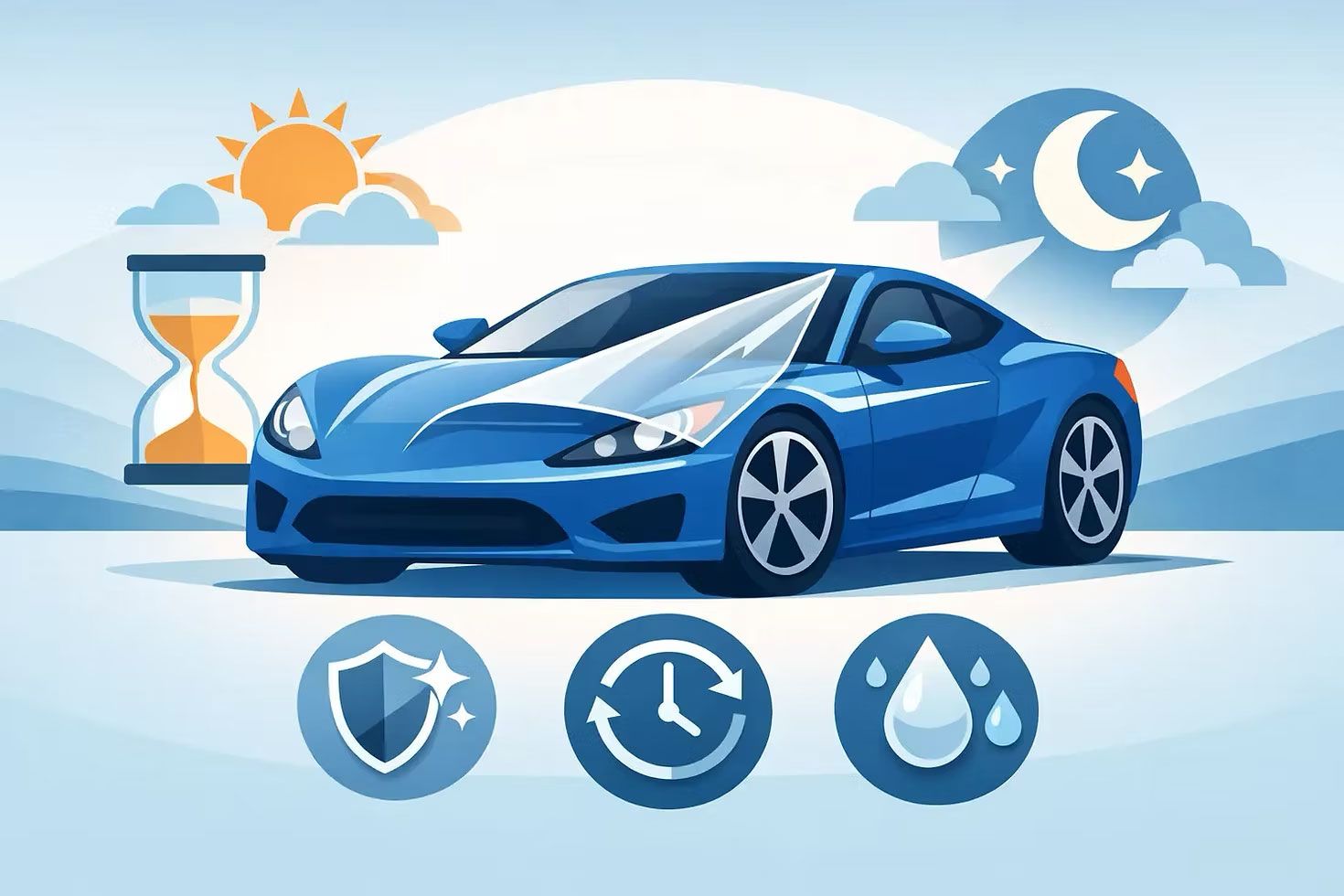
Not all films perform the same way. Premium PPF typically offers better clarity, stronger self-healing properties, stain resistance, and more reliable long-term durability. Some films also provide a glossier finish, while others are available in matte or fashion finishes for a different look.
Warranty coverage is part of the value equation as well. A quality manufacturer-backed warranty can protect against issues such as yellowing, cracking, bubbling, or peeling under normal conditions. That does not make every premium film automatically worth the highest price, but it does explain why material choice affects the quote.
If you are comparing shops, ask what brand of film they use, what the warranty covers, and how they handle service if an issue comes up. A strong product paired with a shop that stands behind its work is worth more than a lower upfront number with vague support.