


How to Tell if Paint Needs Correction
- jcsautosalon
- Jul 6
- 6 min read
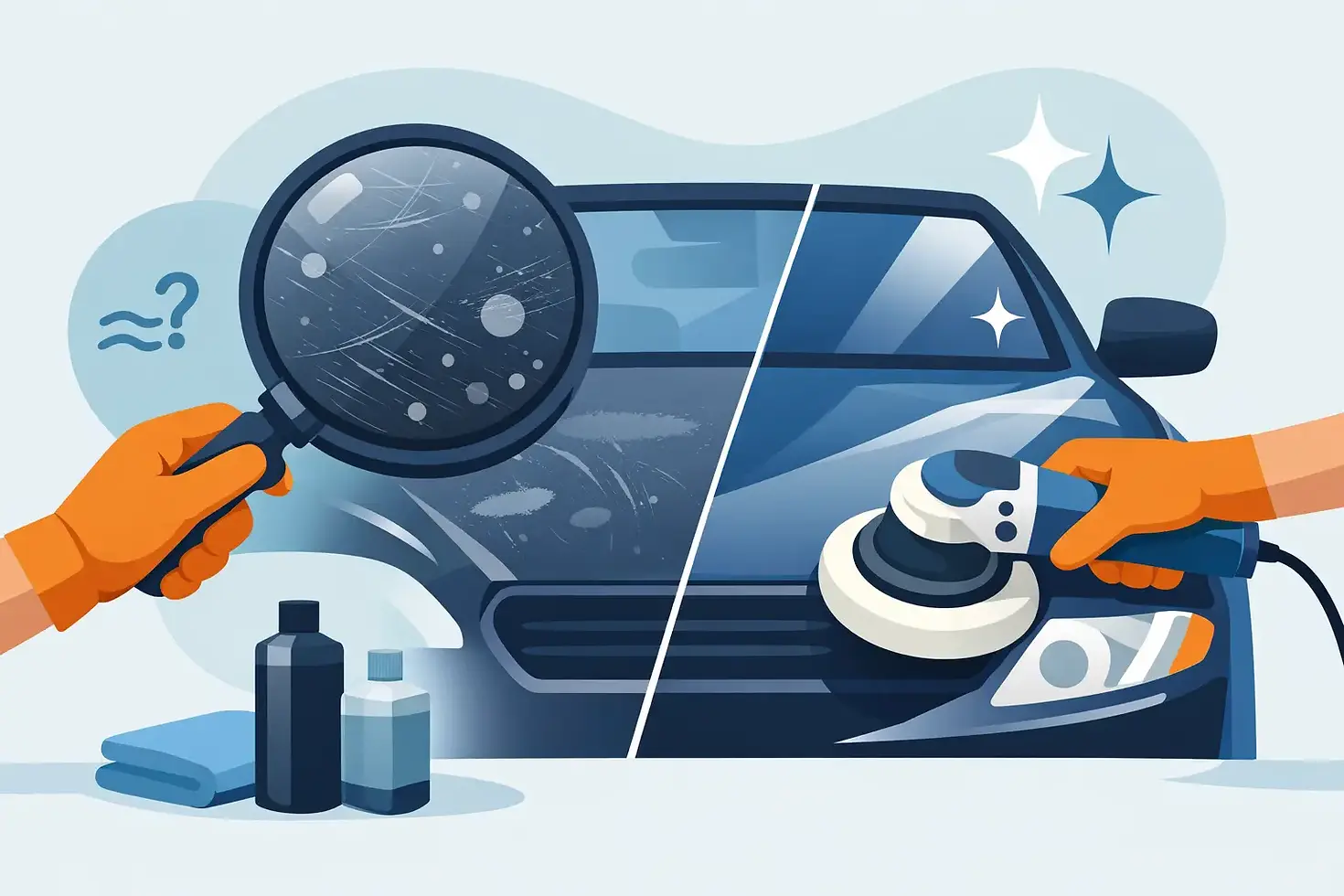
That black paint looked clean when it was wet. Then the sun hit it, and suddenly every swirl, haze mark, and random scratch showed up at once. That is usually the moment people start asking how to tell if paint needs correction - not when the car is dirty, but when it is clean enough to reveal the real condition of the finish.
Paint correction is not just about chasing gloss for show cars. It is the process of refining the clear coat to reduce or remove defects that make paint look dull, tired, or uneven. For daily drivers, that can mean restoring depth and clarity. For newer vehicles, it often means fixing dealership wash damage before applying ceramic coating or paint protection film.
How to Tell if Paint Needs Correction Before You Protect It
The easiest way to judge paint is in direct sunlight or under a strong inspection light. A vehicle can look perfectly fine in the shade and still be covered in light defects. If the paint loses clarity, reflects unevenly, or shows circular marks when light hits it, correction may be the right next step.
A proper wash helps reveal the truth. Dirt can hide defects, and it can also create the false impression that the paint is worse than it is. Once the surface is clean and dry, look at horizontal panels first. The hood, roof, and trunk usually show the most damage because they take the most sun, dust, and improper washing over time.
If the finish has a grayish cast instead of a sharp reflection, that is one clue. If metallic paint looks muted instead of crisp, that is another. Good paint has clarity. Damaged paint scatters light.
Swirl marks are the most common warning sign
Swirl marks are those spiderweb-like patterns that appear under sunlight or parking lot lighting. They are usually caused by automatic car washes, dirty wash mitts, poor drying habits, or wiping down dusty paint. They may be light, but they still interrupt the finish and keep the paint from looking truly polished.
A lot of owners assume swirls are normal and permanent. They are common, yes, but not something you have to live with. If your vehicle looks glossy from ten feet away but messy up close under light, that is often a strong sign the paint would benefit from correction.
Haze and micro-marring can make clean paint look dull
Sometimes the issue is not obvious swirls. Instead, the paint looks flat or cloudy even after a fresh detail. That can point to haze, micro-marring, or light surface abrasion across the clear coat. Dark colors show this quickly, but lighter colors are not immune.
This is where people get frustrated. They wash the car, apply wax or spray sealant, and still do not get that crisp, reflective finish they expected. Protection products can add temporary slickness and gloss, but they do not fix damaged paint underneath.
Surface Defects That Often Mean Paint Correction Is Needed
Not every mark calls for the same level of correction. Some defects are light enough for a one-step polish. Others take more involved refinement. The important part is knowing what you are seeing.
Light scratches that do not catch a fingernail are often correctable or at least improvable. Wash-induced swirls, towel marks, water spot etching, oxidation, and buffer haze usually fall into that category. On the other hand, deep scratches, rock chips, and damaged areas where the clear coat has failed are different. Correction can improve the surrounding paint, but it cannot replace missing material.
Water spots are another common issue in Texas heat. If minerals sit on the surface too long, they can etch into the clear coat. At first they look like simple spotting. Later, they become much harder to remove with normal washing. If spots remain after a chemical decontamination or detail, correction may be needed to level that damage.
Oxidation is more common on older or neglected vehicles. The paint starts to lose richness and can feel dry or look chalky. Red, black, and darker finishes tend to make this especially noticeable. If the paint has depth in some areas and a faded appearance in others, it is a good sign the surface needs more than a wash and wax.
How to tell if paint needs correction or just a detail
This is where it depends. A detail removes contamination, enhances cleanliness, and improves overall presentation. Paint correction addresses defects in the clear coat itself. If the problem disappears after washing, claying, or using an iron remover, the issue may have been contamination. If the problem remains visible in the paint after the surface is fully clean, correction is more likely the solution.
A simple test is to inspect reflections. Look at a garage light, streetlight, or the edge of a building reflected in the paint. If the reflected lines appear broken, fuzzy, or distorted by fine marks, the finish probably needs polishing work. If the reflection looks sharp but the surface just feels rough, contamination may be the bigger issue.
Why Paint Correction Matters Before Ceramic Coating or PPF
This is one of the biggest points vehicle owners miss. Ceramic coating does not remove swirls or scratches. Paint protection film does not magically improve the finish underneath. Both services protect and preserve, but they also lock in whatever condition the paint is already in.
If you apply a coating over swirl-marked paint, you now have protected swirl-marked paint. It may bead water better and stay easier to clean, but the defects are still there. In some cases, coating can even make them more noticeable because the surface becomes glossier.
The same logic applies to film installation. PPF is excellent for impact protection, but prep matters. A cleaner, more refined surface beneath the film leads to a better final result. That is why experienced shops put so much emphasis on paint prep before protection work.
New cars often need correction too
A newer vehicle is not automatically defect-free. Factory paint can arrive with minor issues, and dealership prep often adds its own set of wash marks and holograms. We see this all the time with vehicles that have low miles but already show poor washing damage under the lights.
That makes inspection especially important for owners planning long-term protection. If you want the coating or film to preserve the best possible finish, it makes sense to correct avoidable defects first instead of sealing them in.
What You Can Check at Home
You do not need professional lighting to spot every issue, but you can still do a useful first inspection. Wash the vehicle properly, dry it with clean towels, and move it into direct sunlight. Walk around it slowly and change your angle. Defects often appear only when the light hits from the side.
Pay close attention to the hood, upper doors, trunk lid, and areas around the door handles. If those sections show swirls, the rest of the vehicle usually has some degree of the same wear. If you have a phone flashlight, that can help indoors, though it is not as revealing as dedicated lighting.
What you should not do is guess aggressively with compound or polish if you are not sure what you are dealing with. Modern clear coat has limits. Poor technique can remove too much material or leave the finish looking worse than where it started. Paint correction works best when the approach matches the defect level, paint type, and overall condition.
When a Professional Inspection Makes Sense
If you are seeing swirls in sunlight, persistent water spot marks, cloudy reflections, or general dullness that does not respond to detailing, it is worth having the paint evaluated. A proper inspection can tell you whether the finish needs a light enhancement polish or a more involved correction service.
That matters because not every vehicle needs a heavy multi-stage correction. Sometimes a one-step polish delivers exactly the improvement the owner wants. Other times, especially on darker colors or enthusiast vehicles, a deeper correction is the better fit. The right answer depends on paint condition, your goals, and whether you are planning to add ceramic coating or PPF afterward.
At a shop like JC Auto Salon, that inspection is really about setting expectations the right way. Some defects can be removed almost completely. Some can only be improved safely. Precision matters more than promises.
If your paint only looks good when it is wet, shaded, or freshly dressed, that is usually your answer. Good paint should still look sharp in harsh light, because that is where the real condition shows. When the finish loses clarity, gloss, and depth, correction is often the step that brings the vehicle back to the standard it should have had all along.


Comments