Car Detailing San Antonio: What Quality Looks Like
A rushed wash leaves clues. Water trapped behind mirrors, dust still packed into emblems, streaks on the glass, and swirls that only show up once the sun hits the paint. That is why car detailing San Antonio drivers actually value is not just about making a vehicle look clean for a day. It is about precise cleaning, proper paint care, and protection that holds up in real Texas conditions.
For owners who care about appearance, resale value, and long-term condition, detailing should do more than add shine. It should correct what can be corrected, preserve what is still in good shape, and make regular maintenance easier going forward. The difference between a basic clean and professional detailing is usually not the products on the shelf. It is the preparation, the technique, and the standards behind the work.
What car detailing in San Antonio should include
A proper detail starts with a full evaluation of the vehicle’s condition. Paint, wheels, glass, trim, interior surfaces, and high-contact areas all wear differently. A daily driver with hard water spots and embedded brake dust needs a different approach than a garage-kept weekend car with light dust and minor swirls.
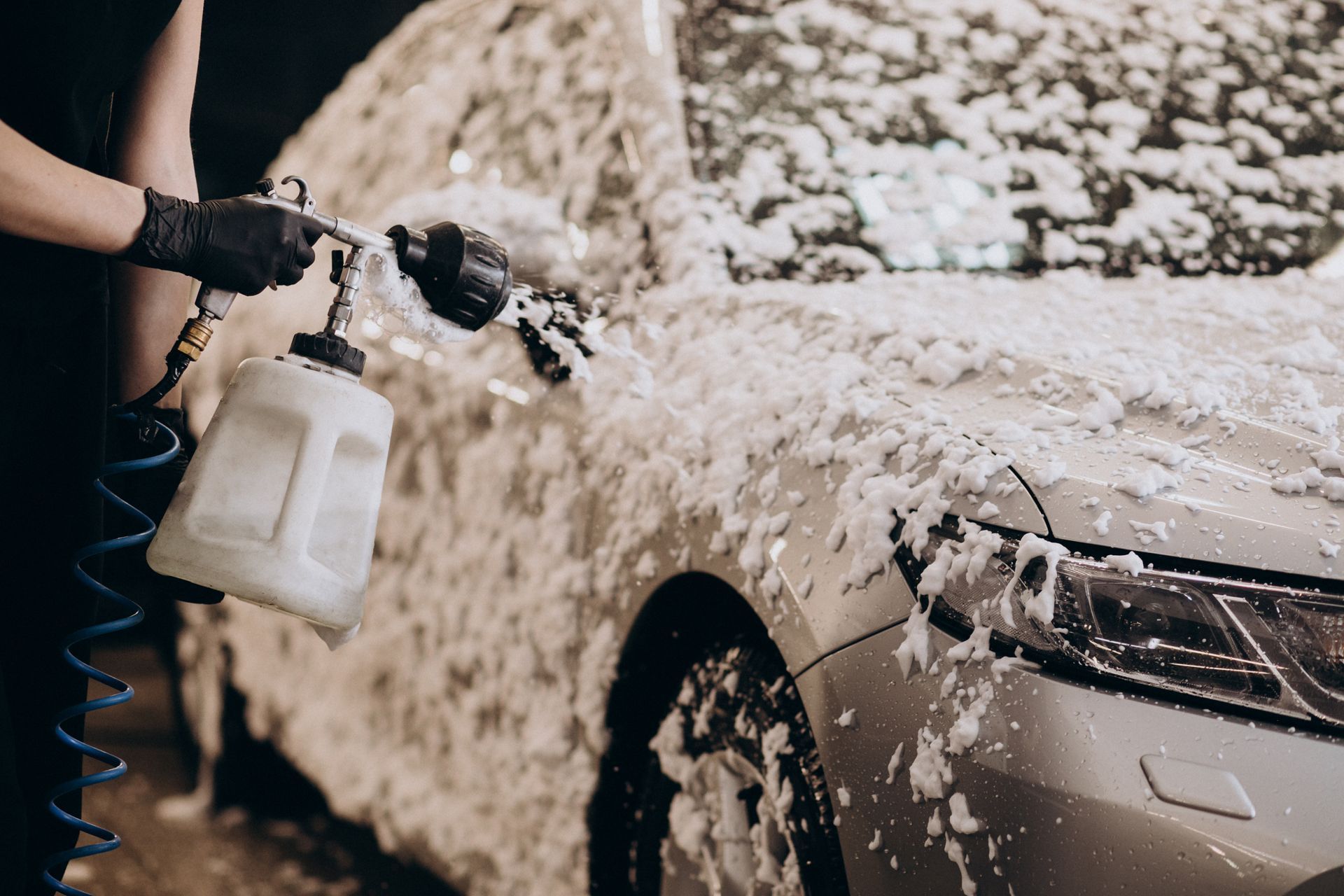
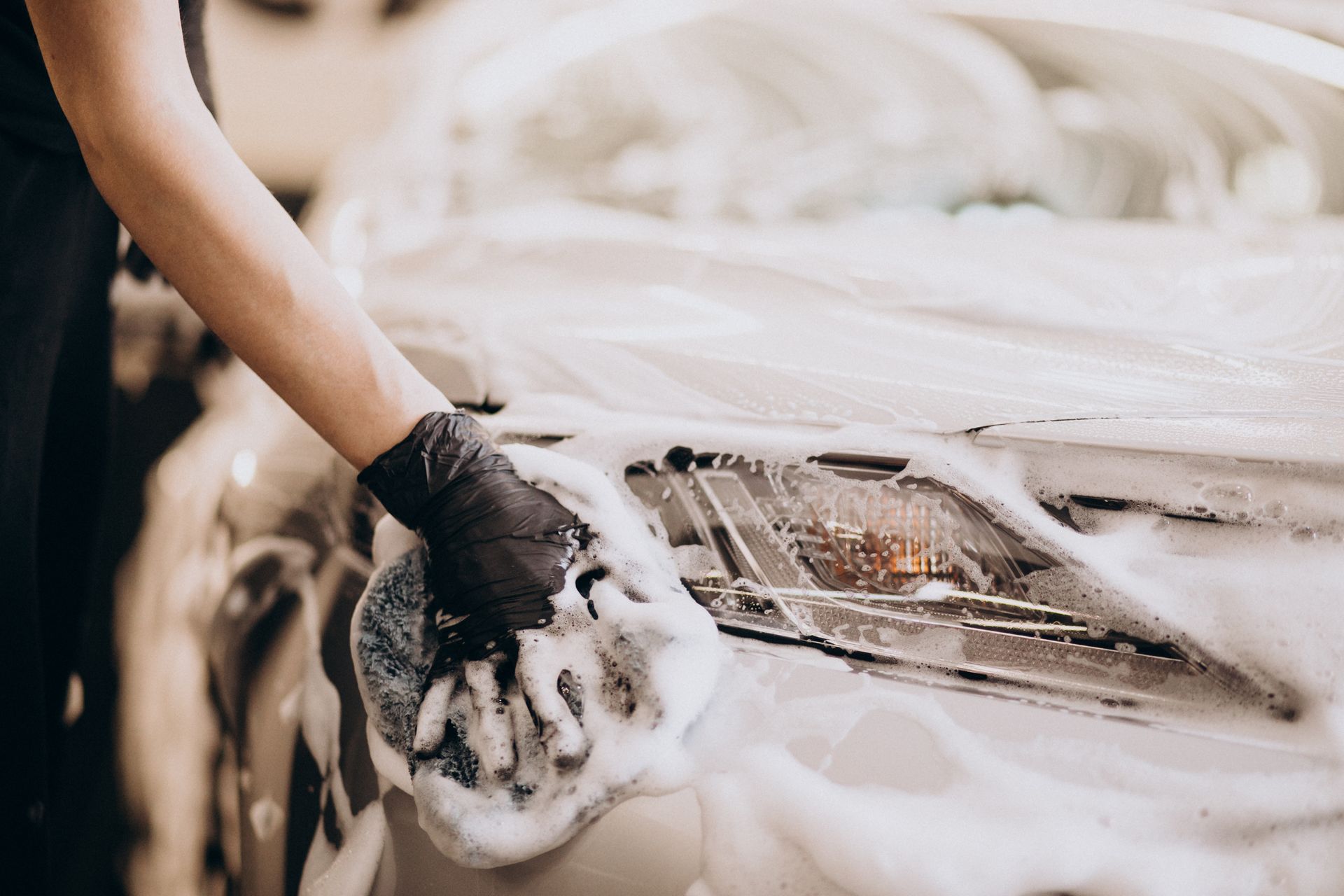
On the exterior, quality detailing means more than soap and tire shine. It includes safe washing methods, wheel and tire cleaning, decontamination to remove bonded fallout, careful drying, and attention to cracks, badges, jambs, and trim. If the paint feels rough after a wash, it is usually holding contamination that standard cleaning will not remove. That contamination affects gloss and can interfere with any protection applied afterward.
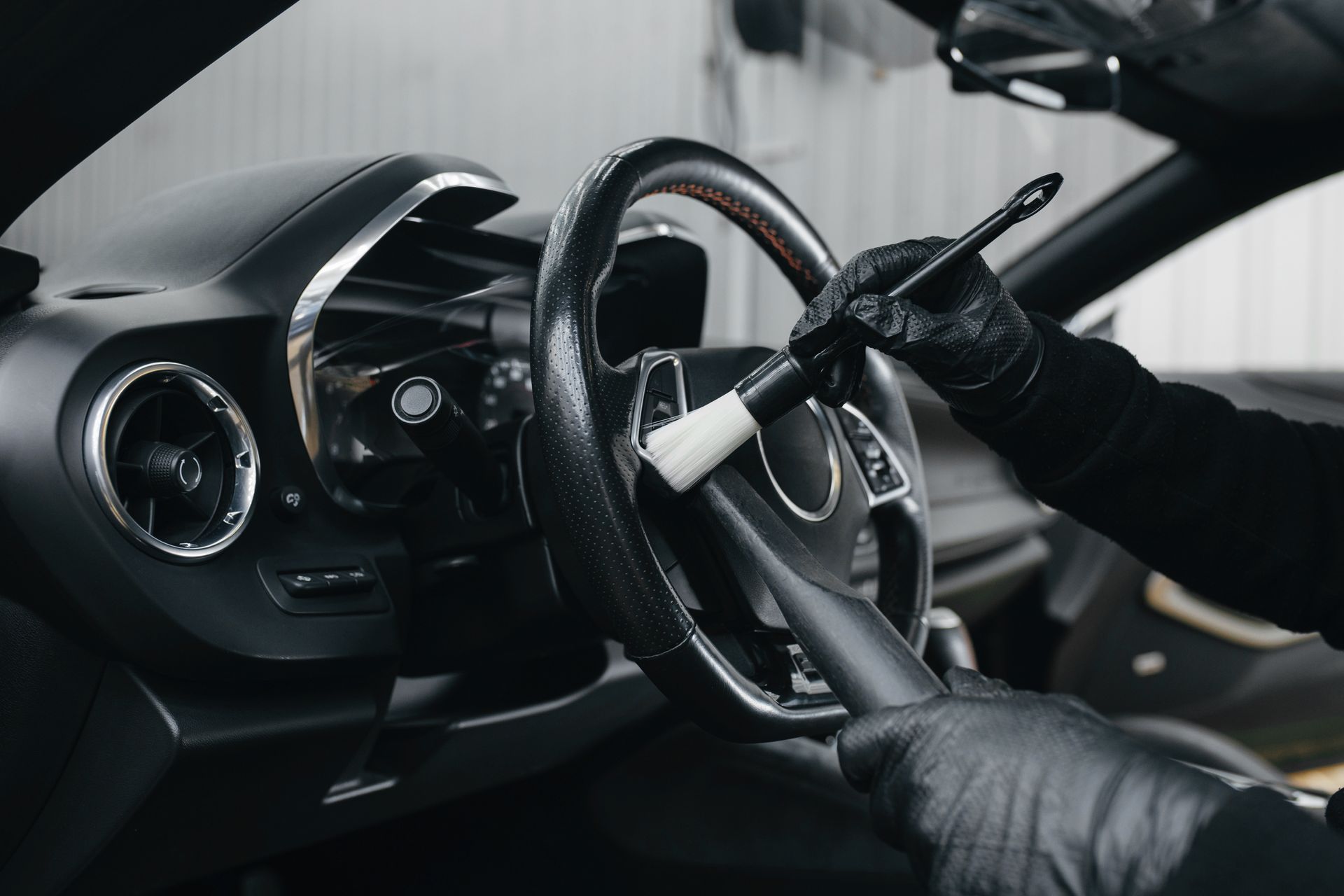
Inside the cabin, real detailing focuses on surfaces people actually live with every day. That means deep cleaning carpets and mats, treating leather and vinyl appropriately, cleaning vents, cupholders, door panels, and touchpoints, and finishing glass without haze. A clean interior should feel reset, not masked with heavy fragrance.
Why basic car washes are not the same thing
A standard wash has its place. It removes loose dirt and improves appearance quickly. But if the goal is paint preservation, swirl reduction, or long-term upkeep, a tunnel wash or quick hand wash is rarely enough.
The main issue is contact. Dirty mitts, harsh brushes, and rushed drying create marring over time. That is where many vehicles pick up the spider-web swirls owners notice under sunlight or parking lot LEDs. Once those defects are in the clear coat, washing alone will not remove them.
There is also the matter of detail work that gets skipped. Lower panels, wheel barrels, trim edges, fuel doors, and tight seams often hold grime long after the obvious surfaces look clean. A vehicle can look good from ten feet away and still be carrying contamination and wear that shorten the life of its finish.
Paint correction is often the missing step
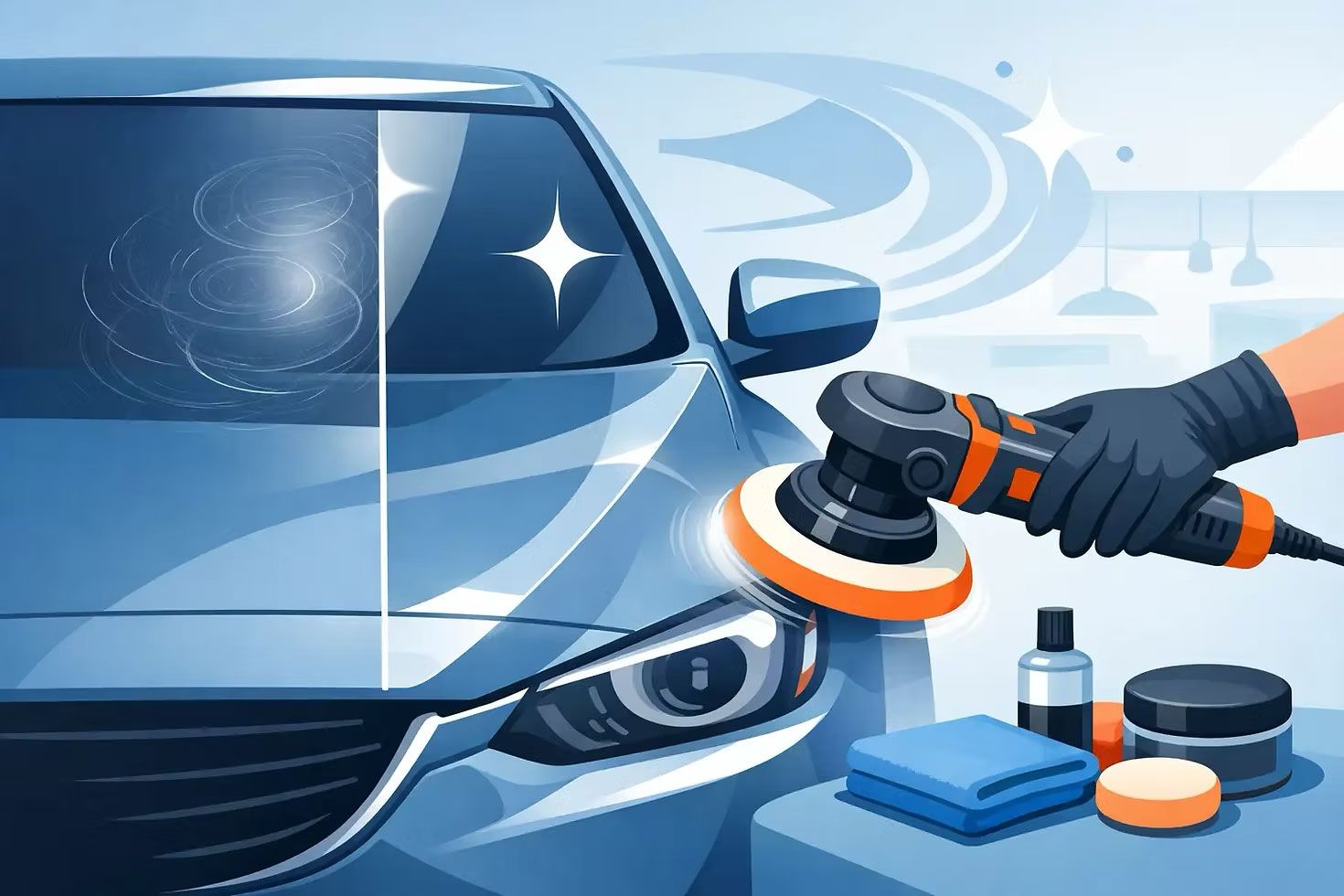
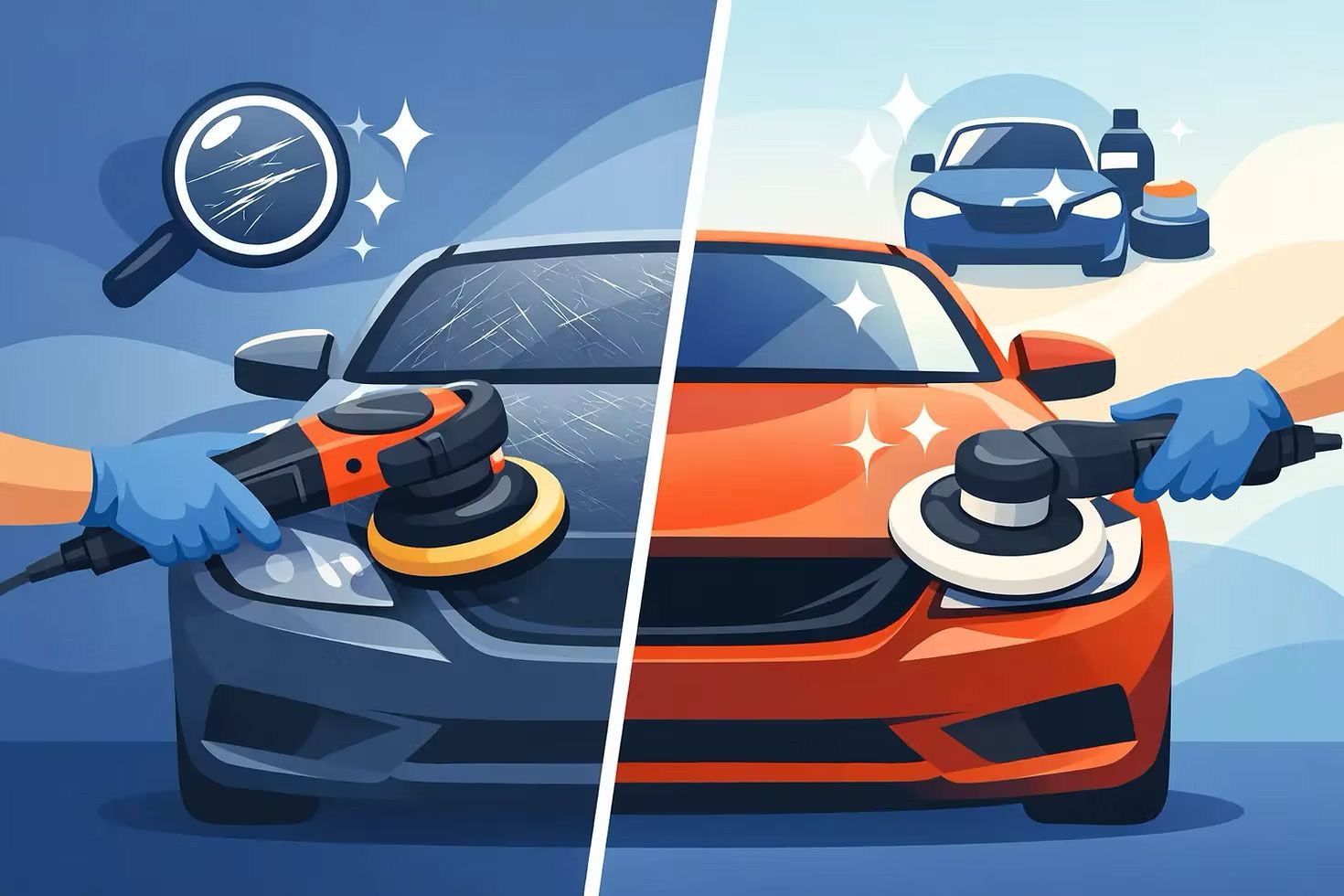
Many owners assume detailing and paint correction are the same service. They are related, but they are not interchangeable. Detailing cleans and refines the vehicle. Paint correction goes a step further by machine polishing away swirls, oxidation, haze, and other paint defects to improve clarity and gloss.
This matters because protection only performs as well as the surface underneath it. If a vehicle has visible swirls, dullness, or light scratches, applying a ceramic coating over those defects does not fix them. It locks in the current condition. That is why correction work before coatings or paint protection film is such a big deal when the goal is a cleaner, sharper finish.
Not every vehicle needs aggressive correction. In some cases, a single-stage polish is enough to restore depth and remove a large percentage of light defects. In other cases, especially on neglected or dark-colored vehicles, a more involved correction process makes sense. The right choice depends on paint condition, owner expectations, and budget.
San Antonio conditions are hard on vehicles
Heat, strong UV exposure, road dust, tree sap, bug residue, and sudden weather shifts all take a toll. Even well-kept vehicles can show fading trim, water spotting, and paint that loses crispness faster than owners expect. That is part of why car detailing in San Antonio should be approached as maintenance and protection, not just appearance.
Sun exposure is one of the biggest factors. It affects paint, plastics, leather, dashboards, and window comfort. Exterior surfaces oxidize over time, while interiors deal with heat buildup and material wear. For owners who park outside often or commute daily, regular professional detailing can slow that cycle and help preserve a more consistent finish.
It also helps identify when a vehicle needs more than cleaning. If contamination is building up repeatedly, if the paint no longer beads water, or if wash-induced swirls are becoming more noticeable, those are signs it may be time to move beyond maintenance and consider correction or added protection.