Ceramic Window Tint San Antonio: Is It Worth It?
If you have ever opened your car door after it sat through a San Antonio afternoon, you already know why ceramic window tint gets so much attention. The cabin heat is punishing, the glare is exhausting, and constant sun exposure quietly works against your interior every single day. Ceramic window tint San Antonio drivers choose is less about appearance alone and more about making the vehicle more livable, more protected, and easier to enjoy year-round.
Not all tint performs the same, and that is where many vehicle owners get stuck. Two cars can look similar from the outside while delivering completely different results for heat rejection, clarity, and long-term durability. If you are trying to decide whether ceramic tint is worth the higher upfront cost, the real answer comes down to how you use your vehicle, what level of comfort you expect, and whether you want a quick cosmetic change or a material that actually performs.
Why ceramic window tint stands out
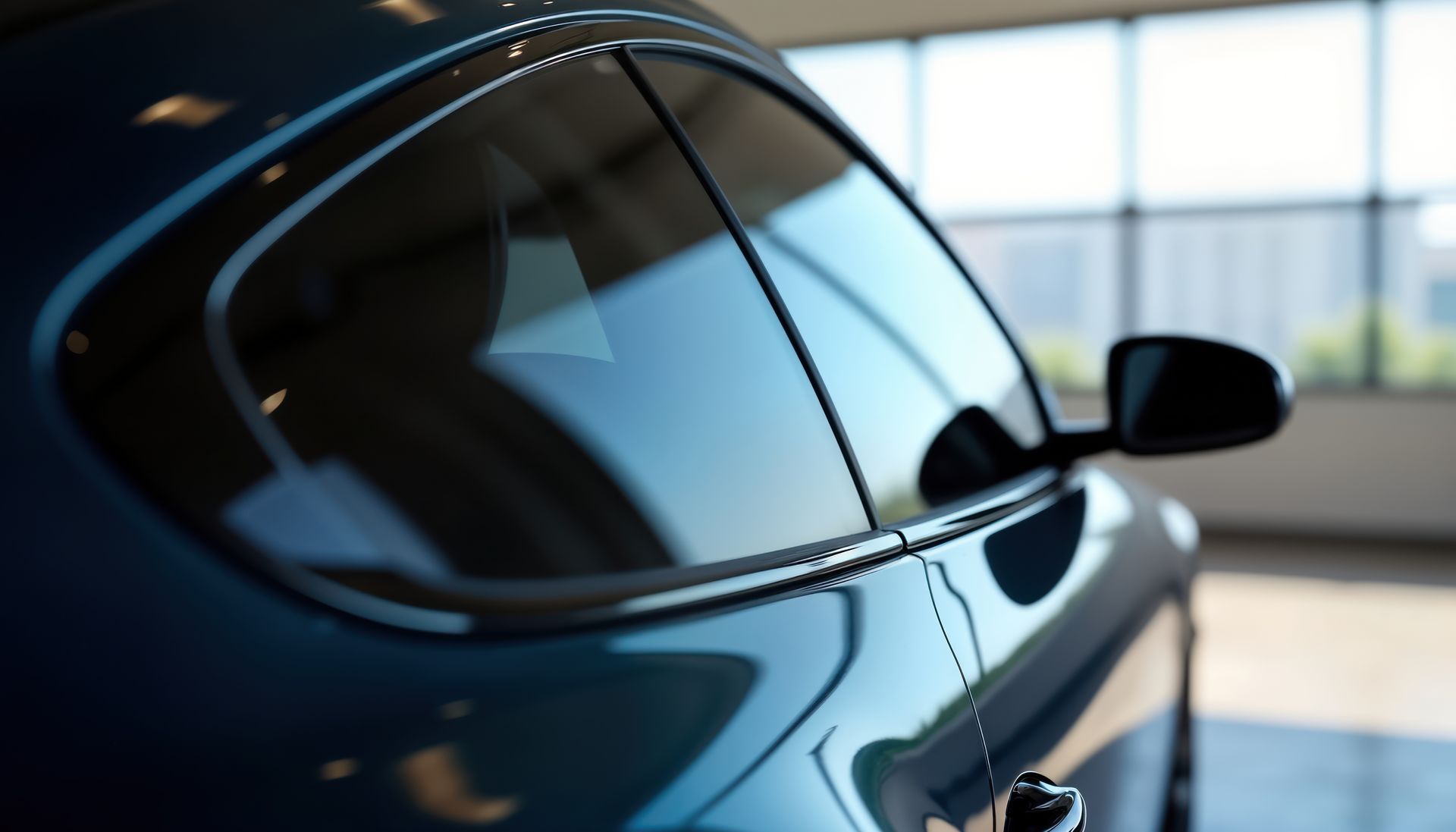
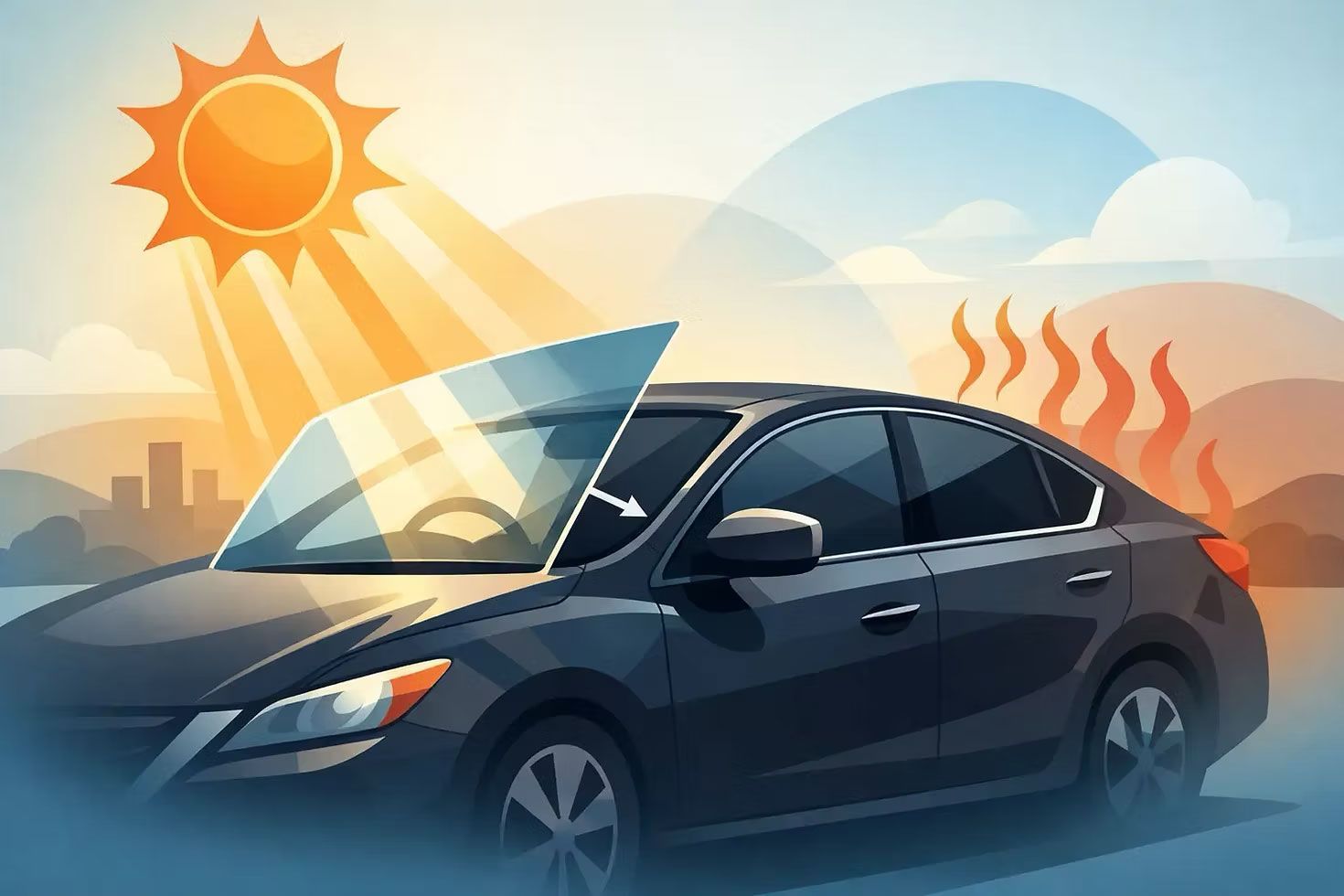
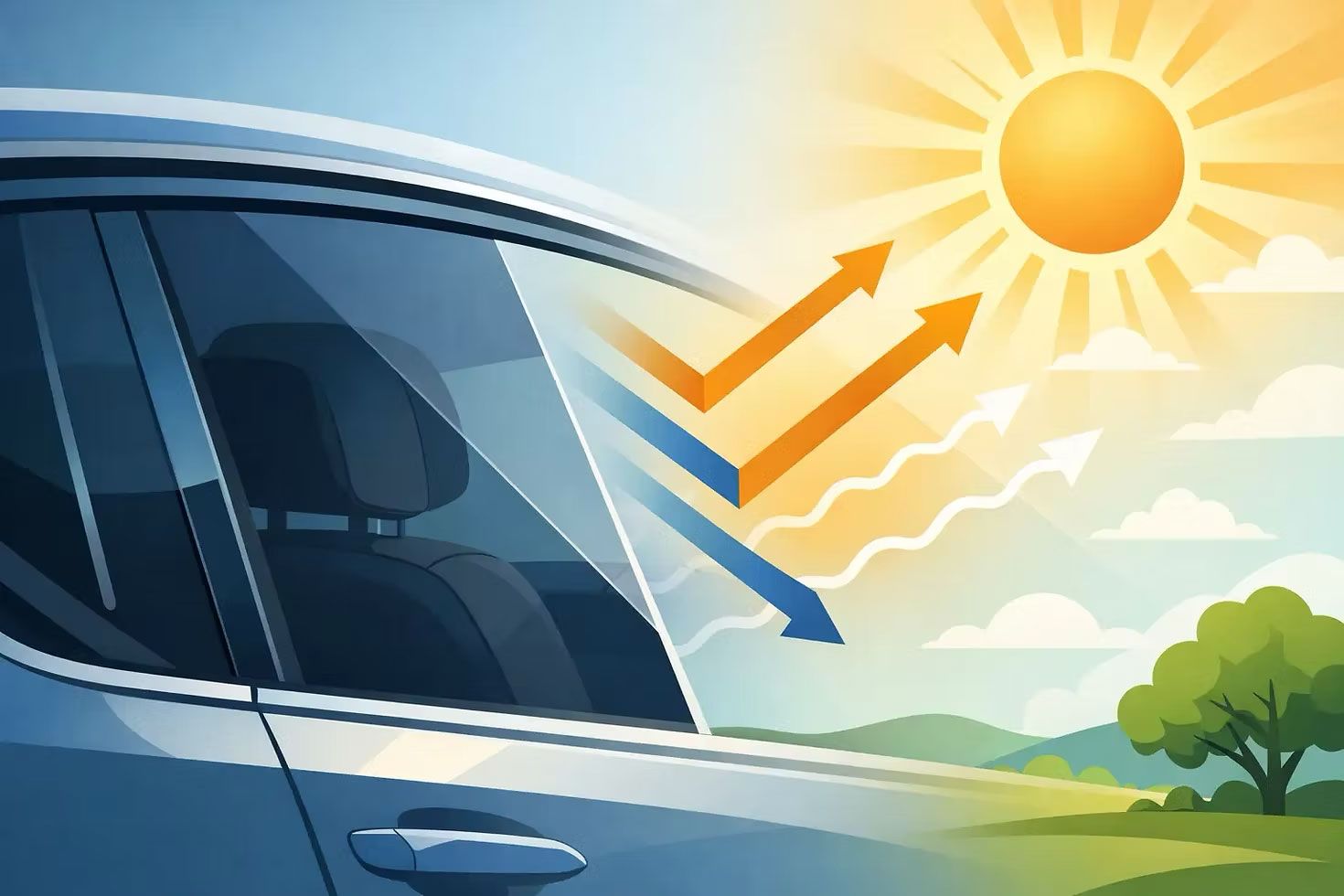
Ceramic window tint is built for performance. Unlike basic dyed film, which mainly darkens the glass for looks and some glare reduction, ceramic film is engineered to reject heat and block harmful UV exposure without relying on heavy metal content or overly dark shades.
That matters because the best tint should do more than make the car look cleaner. It should help reduce cabin temperature, ease the load on your air conditioning, cut harsh glare during daylight driving, and protect seats, dash materials, and trim from sun-related fading and wear. On a daily driver, that means better comfort during commutes and errands. On a newer or higher-end vehicle, it also means preserving the condition of the interior over time.
Another advantage is visibility. A quality ceramic film can provide strong heat rejection while maintaining a crisp, clear view from inside the vehicle. That is one of the biggest differences customers notice after installation. The car feels cooler, but it does not feel closed in or distorted.
Ceramic window tint San Antonio drivers ask for most
In this market, heat rejection is usually the first reason people ask about ceramic window tint San Antonio shops offer. That makes sense. South Texas sun is relentless, and a vehicle can become uncomfortable fast even when the drive itself is short.
But heat is only part of the equation. Many drivers also want relief from windshield glare during early morning and late afternoon traffic, or they want privacy without making the vehicle look too dark. Others are focused on interior preservation, especially if they have leather seats, touchscreen surfaces, or trim pieces they want to keep in top condition.
For truck owners, ceramic tint often improves comfort across long drives and jobsite travel. For families, it helps rear passengers deal with less direct heat and harsh sunlight. For enthusiasts, it is a finishing touch that complements paint correction, ceramic coatings, PPF, or wheel refinishing because it sharpens the overall look of the vehicle while adding a practical layer of protection.
What ceramic tint actually helps with
The strongest case for ceramic tint is that the benefits show up every time you drive. You feel it when the steering wheel is less scorching. You notice it when the cabin cools down faster. You appreciate it when highway glare is less fatiguing.
It also helps block UV rays that contribute to fading, drying, and premature aging of interior materials. Dashboards, door panels, leather, plastics, and electronics all take a beating from repeated exposure. Tint will not stop every form of wear, but it does reduce one of the biggest environmental stressors a vehicle deals with in Texas.
There is also an aesthetic benefit, and it should not be ignored. A clean tint installation gives the car a more finished appearance. The lines look sharper, the glass looks more uniform, and the overall presentation is elevated. The key is getting that look without sacrificing performance or ending up with film that bubbles, peels, or turns purple later.
Is ceramic tint worth the extra cost?
Usually, yes, but not for every owner in the same way.
If you keep vehicles for years, park outside often, commute daily, or care about preserving the cabin and driving experience, ceramic tint is easy to justify. The comfort improvement alone can make a real difference. Add UV protection and better long-term film stability, and the value becomes clearer.
If your main goal is just a darker appearance at the lowest possible price, ceramic may feel like more than you need. There are lower-tier films that can change the look of the vehicle for less money. The trade-off is that they typically do less for heat rejection and may not hold up as well over time.
That is the part many people miss. Tint is not only a style choice. It is a material choice. Paying more for a premium film makes sense when you expect premium performance.